Discover the bold fashion trends of late 2025: minimalist designs, smart wearable tech clothing, and eco-focused sustainable style. Stay ahead with expert insights into fashion trends for 2025, lifestyle evolution, and game-changing wardrobe choices.
As we transition into the second half of 2025, the world of fashion and lifestyle is entering a bold evolution, one defined by minimalist elegance, intelligent wearable technology, and a green-first mindset. For style-savvy individuals and trend-watchers alike, the convergence of these three powerful currents is creating a new era of meaningful fashion. Below is an in-depth analysis of the key fashion and lifestyle trends shaping late 2025 and how you can embrace them to stay ahead of the curve.
Minimalism in Fashion & Lifestyle: Less Truly Is More
In a world saturated with visual noise and fast-fashion overload, minimalism has reclaimed center stage. The “less is more” mantra is no longer just aesthetic; it has become a lifestyle statement. For late 2025, minimalist fashion trends emphasize clean lines, neutral palettes, purposeful garments, and timeless investment pieces.
Why minimalism matters now:
- With rising global concerns around overconsumption and waste, minimalist wardrobes reflect a conscious decision to curtail excess and focus on essentials.
- The professional-to-lifestyle hybrid world demands versatility—minimalist garments transition seamlessly from work to leisure.
- Emerging trends show that fashion-savvy consumers link minimalism with clarity, calm, and sophistication in their personal brand.
How to incorporate it:
- Choose structured silhouettes in black, white, grey, and earth tones; skip loud prints or excessive embellishment.
- Invest in high-quality fabrics and tailoring durable pieces that resist trend decay.
- Edit your wardrobe seasonally: keep only those items you love, that fit, and that you use regularly. This aligns both with minimalist lifestyle mindsets and sustainable consumption.
Smart Clothes: Wearable Tech Meets Everyday Style
The intersection of fashion and technology is accelerating in late 2025 ushering in the era of smart clothes. No longer limited to niche gadgets, smart wearable fabrics and garments are becoming accessible, stylish, and deeply integrated into lifestyle choices. From adaptive temperature regulation to embedded sensors for posture and health, smart clothing is reshaping how we dress.
Key advances in smart clothes:
- Textiles with built-in micro-sensors monitor biometric data such as heart rate, stress levels, or movement ideal for wellness-oriented consumers.
- Adaptive fabrics that change thermal or moisture-control properties based on body temperature or external climate: intelligent layering for urban living.
- Connected garments with embedded LEDs or smart fibers that respond to ambient cues merging aesthetic flair with functionality.
Style and lifestyle implication:
- Smart clothes elevate the wardrobe into a lifestyle tool. Instead of just looking good, you’re wearing something that does something.
- Early adopters in professional, active, and luxury segments are driving mainstream uptake from executive travel to fitness-commuting hybrid routines.
- This trend makes “smart wardrobe” a keyword for late-2025 fashion-lifestyle fusion.
How to embrace it:
- Start with a “smart jacket” or “tech-driven tee” that integrates subtle functionality (e.g., temperature control, motion tracking).
- Pair smart pieces with minimalist staples so the tech becomes a sophisticated layer rather than a gimmick.
- Consider the long-term value: smart garments often command a premium price, but if worn regularly and tied to your lifestyle, the ROI is high.
Eco-Focused & Sustainable Style: The Ethical Fashion Movement
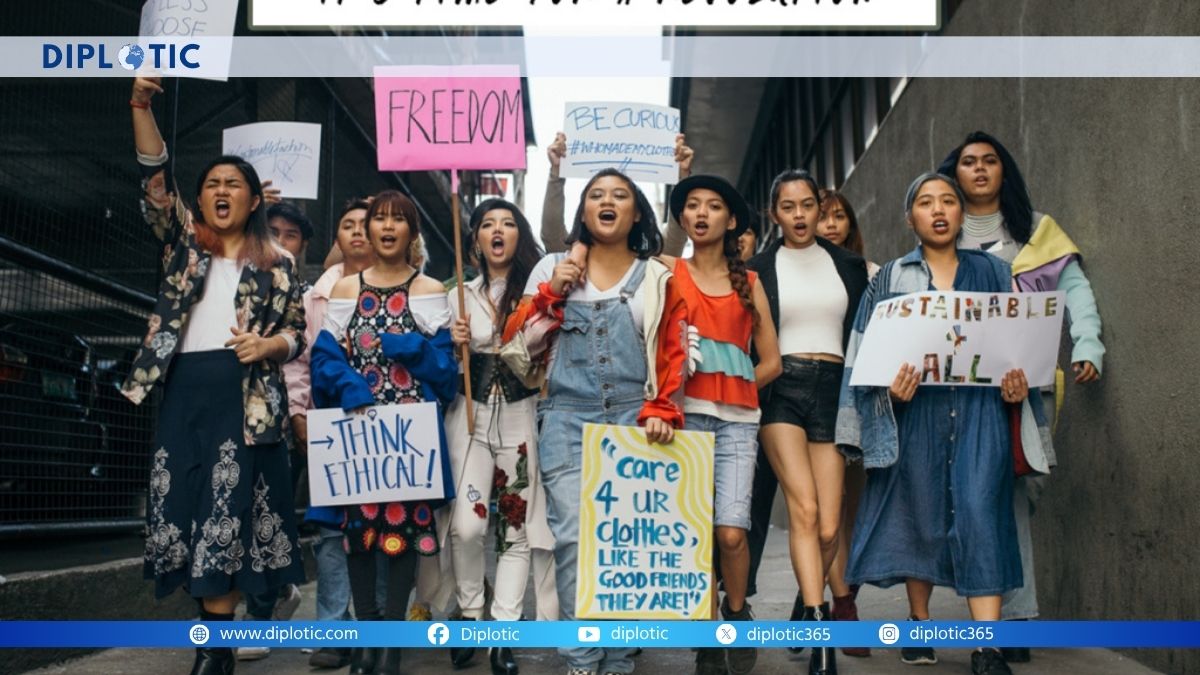
As consumer awareness about environmental impact continues to surge, the fashion industry is responding with an eco-driven transformation. In late 2025, sustainable style is no longer a niche label—it’s a mainstream expectation. The emergent keyword here is “eco fashion 2025.”
What eco-focused fashion means today:
- Materials: recycled fibers, organic cotton, and low-waste processes are the standard, not the exception.
- Production transparency: brands offer full visibility into supply chain practices, labour conditions and carbon footprints.
- Circularity: repurposed garments, repair-friendly design, and rental and resale platforms are all gaining traction.
Why this shape shift is vital:
- Modern consumers—especially Gen Z and Millennials—link brand loyalty to ethical values and sustainable practices.
- Regulatory pressure and rising raw-material costs are pushing brands to innovate.
- Eco-focus merges seamlessly with minimalist lifestyle values: fewer garments, higher quality, and better provenance.
Lifestyle application:
- Adopt wardrobe pieces from brands that prioritize sustainable manufacturing—making your style statement also an ethical one.
- Prioritize longevity over trendiness: choose garments that will last multiple seasons, reducing waste and cost per wear.
- Explore resale, rental, and repair options rather than immediate disposal.
Synergy & Strategy: Building the Modern Late-2025 Wardrobe
The real power lies in combining minimalism, smart clothes, and eco-focus into a coherent style strategy. The late-2025 consumer isn’t just chasing pieces; they’re building a lifestyle.
Strategic steps:
- Begin with a minimalist foundation: Invest in 5-10 timeless wardrobe staples (e.g., a tailored blazer, crisp white shirt, high-quality jeans, and a simple dress) in neutral tones.
- Layer in smart clothing wisely: Choose one or two tech-enhanced garments (smart jacket, sensor tee) that suit your lifestyle—rather than a full gadget wardrobe.
- Overlay an eco-ethical lens: For every piece you buy, ask: How was it made? What’s its carbon footprint? Will it last? Is it repairable or resellable?
Outcome: A wardrobe that is purpose-driven, future-ready, and aspirational. It serves your lifestyle, aligns with your values, and projects confidence.
Lifestyle benefits:
- Reduced decision fatigue: Minimalist color palettes and fewer items mean easier styling and daily decision-making.
- Elevated utility: Smart garments add hidden value, turning clothes into lifestyle companions.
- Positive impact: Eco-focused purchases not only look good they feel good, contributing to a better world.
Conclusion: Why Late 2025 Is a Style Pivot
As the fashion landscape of late 2025 unfolds, three interwoven trends are shaping the trajectory: minimalism, smart clothing, and eco-consciousness. Individually, each offers compelling benefits; together, they define the future of high-impact style. This isn’t just about what you wear; it’s about how you live, how you move, and the values you display. Embrace this stylistic evolution, and you’ll not only stay on-trend but also ahead of the curve.
Whether you’re refreshing your wardrobe, upgrading your lifestyle, or simply aligning your style with a purpose, the time is now. Minimalist design, wearable tech, and sustainable ethics are more than buzzwords; they’re the blueprint for modern style mastery in late 2025.