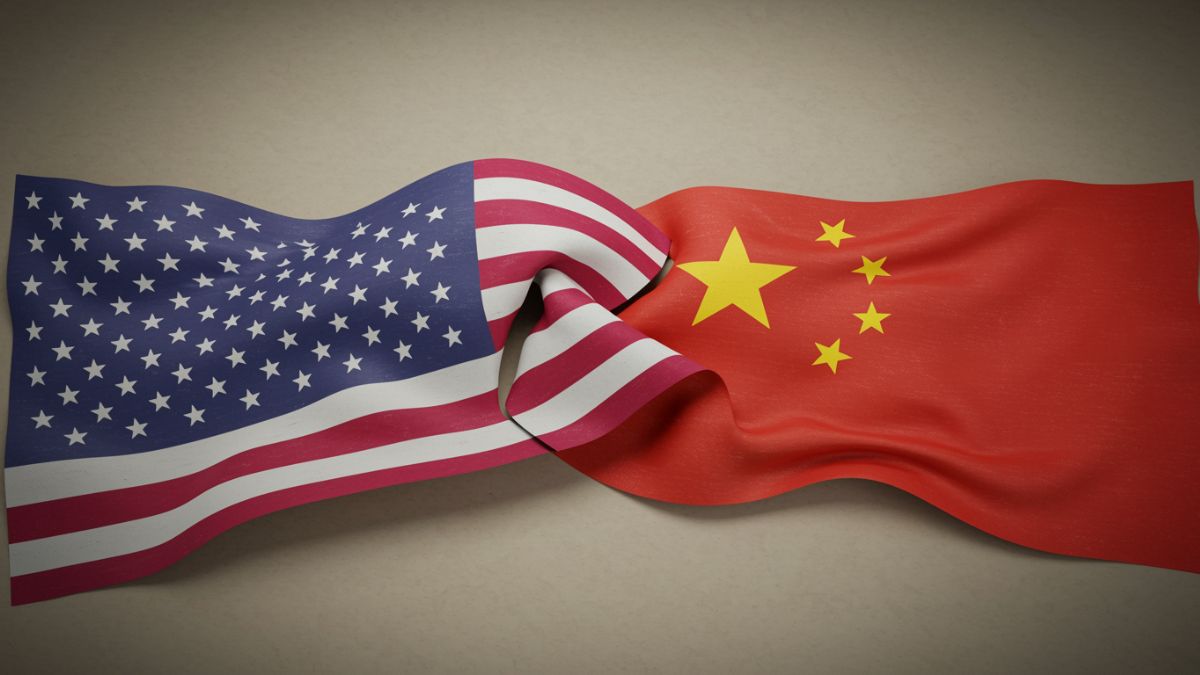
When Donald Trump returned to the White House in January 2025, it marked more than a personal political comeback; it signaled a recalibration of U.S. foreign policy, especially toward China. In the arena of U.S.–China relations, the Trump 2.0 era (as it is often dubbed) blends aggressive economic tactics, transactional diplomacy, and great-power strategic competition. The implications are profound, from trade and technology to security and global alliances.
Strategic Reset: From Rivalry to “Deal-Making”
Where the previous U.S. administration framed China chiefly as a long-term strategic challenge, the Trump team has chosen a somewhat more transactional path. Analysts note that Trump’s China policy places economic leverage, technology control, and bilateral deal-making at the core rather than multilateral strategy or values-based diplomacy.
The administration’s early decisions reflect this shift. For example, heavy tariffs were announced, supply-chain restrictions tightened, yet there are signs of tariff truce negotiations and possible summits with Chinese leader Xi Jinping. In effect, the message from Washington is, “China is a trading partner, a rival, and a target of leverage all at once.”
Trade and Technology: Leveraging the Supply-Chain Battleground
A cornerstone of the renewed U.S.–China relationship in 2025 is the contest over trade and technology. Under Trump’s leadership, the U.S. has continued to enforce export controls on critical semiconductors, raised tariffs on Chinese goods, and pressed China to restrict rare-earth export controls and meet U.S. agriculture demands.
At the same time, Beijing has responded with its own power plays, expanding restrictions on rare-earth exports and signaling that it can impose costs on the U.S. and global supply chains. The emerging picture: a “very different kind of trade war,” one driven by industrial policy and supply-chain entanglements rather than purely tariff hikes.
Security and Geopolitics: The Indo-Pacific Chessboard
Beyond economics, Trump’s approach to China also carries strategic and security overtones. His Asia tour in late 2025 illustrated this dual posture: publicly, he met Xi in Busan and declared progress, but allied partners expressed unease at the personalized “America First” style and lack of clarity in U.S. commitments.
Regional states from Japan to Australia and India are recalibrating their own policies in response, not simply reacting to China, but adapting to a U.S. that is unpredictable, transactional, and less focused on long-run alliances than immediate deals. Meanwhile, China is poised to exploit that ambiguity.
Diplomacy and Signalling: The Xi-Trump Meeting
In October 2025, Trump and Xi held their first summit in the new term, on the sidelines of the Asia‑Pacific Economic Cooperation 2025 (APEC) summit in South Korea. Although the public messaging was upbeat, with Trump calling the meeting “12 out of 10,” observers noted the outcomes were modest, and Chinese leverage remained strong.
Still, the summit served as a signal that the U.S. is open to recalibrating toward Beijing on trade issues, agriculture, and technology. But lasting change will depend not just on optics, but on whether substantive agreements follow.
Challenges Ahead: Consistency, Credibility & Alliance Risk
While the transactional style has its appeal, it also comes with significant risks:
Policy coherence: Because decisions are highly personalized and driven through direct leader-to-leader engagement, agencies and experts warn of fragmentation.
Alliance fatigue: U.S. allies in Asia and beyond may question Washington’s reliability if deals with China proceed while commitments to regional partners feel ad hoc.
Structural issues unresolved: Big strategic issues, Taiwan security, human rights concerns, and technological decoupling aren’t being addressed in depth yet. The U.S.–China relationship may therefore zigzag between cooperation and confrontation.
Why It Matters: Global Economy and Strategic Balance
The ramifications of this shift in U.S.–China relations reach beyond the two countries:
Global trade flows: Supply-chain realignment, “China +1” strategies, and export-control battles will affect global manufacturing, investment, and technology innovation.
Technology race: Access to semiconductors, AI chips, and rare-earth minerals has become a central battleground not just for economic advantage but for national security.
Balance of power: As the U.S. and China negotiate, compete, and confront, the broader strategic order of alliances, regional defense postures, and multilateral institutions is being tested.
Looking Forward: Navigating Uncertainty
What can we expect in the months ahead?
More bilateral deals between Washington and Beijing focused on agriculture, rare-earth elements, technology exports, and perhaps some tariff rollback.
Continued escalation-de-escalation cycles, where sharp threats alternate with temporary truces. Analysts believe the rivalry will not be “reset” but managed in staccato bursts.
U.S. allies may increasingly hedge by investing more in their defense, diversifying supply chains, and not fully relying on the U.S.–China axis.
China will continue to test the boundaries of U.S. tolerance and alliance cohesion, especially around rare-earth exports, regional influence, and technology access.
Conclusion
Trump’s return in 2025 sets a distinctive tone for U.S.–China relations: transactional yet strategic, competitive yet open to deal-making. For Beijing and Washington alike, the stakes are immense; economic futures, technological leadership, and global influence are all intertwined. But the style of diplomacy matters: a personalized, deal-oriented U.S. may gain quick wins, yet it risks undermining the long-term institutional stability, alliance clarity, and structural strategy that great-power competition demands.
In the evolving picture of high-stakes global diplomacy, the shape of U.S.–China relations under Trump will be one of the defining axes not just of 2025, but of the geopolitics shaping the next decade.