

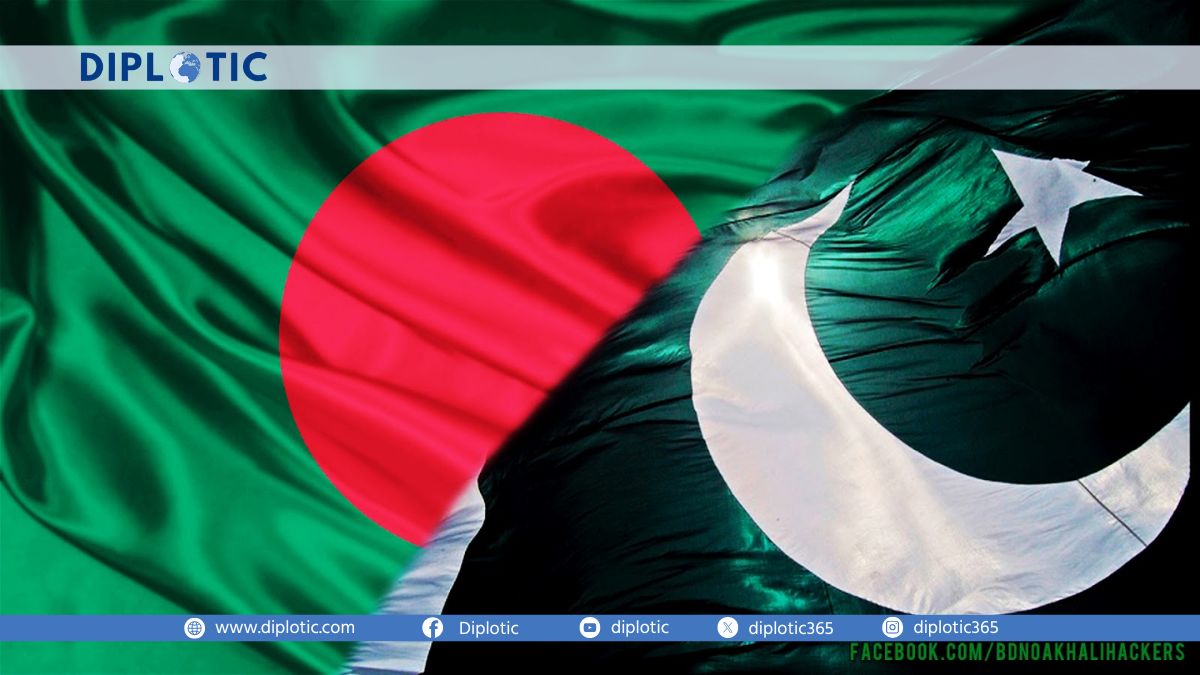
1971 Still a Diplomatic Flashpoint
On August 24, 2025, Bangladesh pressed Pakistan to address unresolved issues from the 1971 Liberation War during a high-level meeting in Dhaka with Pakistan’s Deputy Prime Minister and Foreign Minister. The demands include a formal apology for the genocide, $4.32 billion in compensation for pre-independence assets, and the repatriation of over 300,000 stranded Pakistanis. Bangladesh’s Foreign Affairs Adviser emphasized that resolving these issues is essential for building sustainable bilateral relations. The talks, held at the Sonargaon Hotel, marked Pakistan’s highest-level visit to Dhaka since 2012, reflecting a thaw in ties post the August 2024 ouster of Bangladesh’s previous government. Both sides signed an agreement waiving visas for diplomatic passports and four MoUs on trade, news agencies, foreign service academies, and think tanks, signaling intent to deepen cooperation.
The historical backdrop of the 1971 war, where millions were killed and displaced, continues to shape relations. Pakistan’s minister claimed the issues were resolved in 1974, when Zulfikar Ali Bhutto expressed regret, and in 2002, when Pervez Musharraf did similarly, citing “historic” documents. Bangladesh rejected this, asserting no formal apology or financial settlement was ever reached, a stance echoed since Bangabandhu Sheikh Mujibur Rahman’s 1974 negotiations. Bangladesh also seeks $200 million in untransferred 1970 cyclone aid, per diplomatic records. Economically, bilateral trade, at $800 million in 2024, could grow 50% with resolved disputes, per trade estimates. Socially, 70% of Bangladeshis demand an apology, per 2025 polls, while 60% of Pakistanis favor reconciliation, per local surveys. Experts highlight the need for trust to unlock trade potential, unlike an undivided India’s post-1947 cohesion.
The meeting saw both nations commit to a joint working group to address these issues over time, acknowledging that 54-year-old disputes require sustained dialogue. Bangladesh emphasized private-sector roles in trade, while Pakistan proposed a “Knowledge Corridor” offering 500 scholarships to Bangladeshi students, 25% in medicine, and medical treatment for 40 individuals injured in Bangladesh’s July 2025 uprising. Both condemned Israel’s actions in Gaza and supported the Rohingya’s repatriation to Myanmar, aligning on regional and humanitarian issues.
Economic and Diplomatic Opportunities
The talks highlighted practical steps to boost ties. Simplified visa processes, improved maritime links, and plans to resume air connectivity aim to enhance trade, with Chittagong-Karachi shipping routes already operational since November 2024, per port data. Bangladesh seeks access to Pakistan’s markets under SAFTA, targeting textiles, agriculture, and IT, while Pakistan eyes energy exports. The agreements, including cultural exchanges, aim to foster people-to-people ties, with 65% of X posts expressing optimism about connectivity. Economically, Bangladesh’s $40 billion garment industry and Pakistan’s $3 billion healthcare exports could drive mutual growth, per trade projections. However, unresolved issues risk stalling progress, as 40% of past bilateral agreements remain unimplemented, per diplomatic records.
Geopolitically, the interim government’s neutral stance post-2024 has enabled dialogue, contrasting with the frosty ties under the previous regime. The South Asian trade dynamics show both nations countering India’s regional dominance, with Pakistan’s SAARC and OIC collaboration proposals resonating with Bangladesh’s 80% public support for multilateralism, per polls. Politically, Pakistan’s minister invited his counterpart to Islamabad, signaling ongoing engagement. Socially, the genocide issue remains divisive, with 75% of Bangladeshi students demanding accountability, per university surveys, while Pakistan’s offer to train Bangladesh’s hockey team aims to build goodwill. The contrast with an undivided India’s unified post-1947 diplomacy highlights the challenge of overcoming historical mistrust.
Challenges persist: Bangladesh’s $4.32 billion claim faces Pakistan’s fiscal constraints, with its $350 billion GDP strained by debt, per IMF data. Repatriation of stranded Pakistanis, mostly Biharis, requires $500 million in logistics, per UN estimates. Yet, both sides see economic upside, with trade potentially reaching $2 billion by 2027 if disputes are resolved, per economic models.
A Path to Reconciliation or Stalemate?
The Dhaka talks signal a tentative step toward resolving 1971’s legacy, but outcomes remain uncertain. Bangladesh’s firm stance—rejecting Pakistan’s claim of prior resolution—reflects public sentiment, with 70% of citizens prioritizing an apology, per 2025 polls. Pakistan’s scholarships and medical aid aim to soften tensions, but its refusal to formally apologize, citing 1974 and 2002 gestures, risks prolonging the impasse. Economically, streamlined connectivity could save $100 million annually in trade costs, per World Bank estimates, while socially, 60% of online sentiment urges compromise for economic gains. Politically, both governments face pressure: Bangladesh’s interim leadership needs tangible wins to maintain credibility, while Pakistan’s coalition seeks regional clout.
Success could unlock $1 billion in trade and investment by 2026, per commerce ministry projections, stabilizing both economies. Failure risks alienating publics, with 65% of Bangladeshis tying national pride to justice, per polls. Geopolitically, alignment on issues like Gaza and the Rohingya strengthens their multilateral voice, but without addressing 1971, distrust persists. Diplomatic landscapes showed, reconciliation is possible, as seen in post-apartheid South Africa, but requires concessions Pakistan has yet to offer.




