

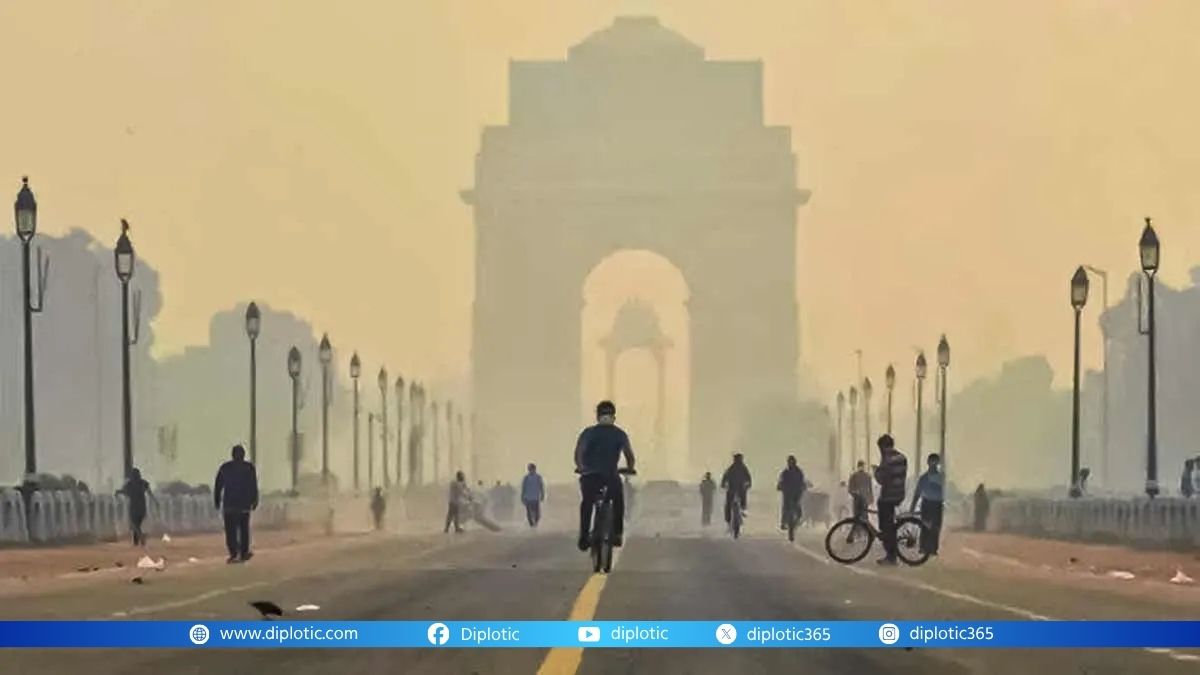
Every winter, New Delhi, one of the world’s most polluted capitals, faces a lethal environmental crisis. The city of over 40 million residents is enveloped by a dense toxic haze, a noxious cocktail of vehicle emissions, industrial fumes, dust, and seasonal crop burning in neighboring states. This smog severely impacts public health, contributing to respiratory diseases, heart conditions, and even premature deaths.
In response, New Delhi’s government has turned to an unconventional, headline-grabbing solution: cloud seeding. This technique involves artificially stimulating rainfall in a bid to wash away the heavy particulate matter hanging in the air. Spearheaded by the Bharatiya Janata Party (BJP) administration led by Chief Minister Rekha Gupta, the initiative is seen as a bold attempt to mitigate the capital’s chronic air pollution during the harsh winter months.
Why New Delhi Struggles with Toxic Air Every Winter
Delhi’s winter pollution is mainly driven by a combination of environmental and human factors. As temperatures drop, a meteorological phenomenon called temperature inversion traps pollutants near the ground. Instead of rising and dispersing, the cold air holds a blanket of harmful particulate matter (PM2.5) and toxic gases close to breathing level.
This is amplified by heavy vehicular exhaust, emissions from factories, construction dust, and widespread crop residue burning in Punjab and Haryana, which sends dense smoke plumes drifting towards Delhi. The Diwali festival, marked by extensive firecracker use, further escalates pollution spikes, turning the air hazardous for vulnerable populations.
Prolonged exposure to Delhi’s hazardous air quality triggers chronic respiratory diseases, lowers life expectancy, and significantly strains the healthcare system. This recurring crisis demands innovative and scalable solutions.
What Is Cloud Seeding and How Is Delhi Using It?
Cloud seeding is a weather modification technique designed to enhance precipitation. In this process, clouds are “seeded” with substances such as silver iodide or sodium chloride, which act as nucleation points for water vapor to condense into raindrops. As these droplets grow in size, they fall as rain, potentially washing pollutants from the atmosphere.
Recently, the Delhi government, collaborating with scientists at the Indian Institute of Technology (IIT) Kanpur, conducted experimental flights from Kanpur to New Delhi. Aircraft sprayed silver iodide flares into clouds hoping to trigger artificial rain, a method already trialed with some reported success.
Chief Minister Rekha Gupta hailed the initiative as a “pioneering step” and a “necessity” for confronting Delhi’s persistent environmental challenges. The government’s strategy underscores an urgent priority: finding immediate relief from toxic smog amid mounting public health concerns.
The Science and Limitations Behind Cloud Seeding
While cloud seeding presents a promising quick-fix, scientific opinions remain divided. The process cannot create clouds where none exist—it only enhances rainfall potential in moisture-laden clouds. Research consensus shows variable success rates, with many studies suggesting modest increases in rainfall that are difficult to replicate consistently.
Experts like Shahzad Gani and Krishna AchutaRao from IIT Delhi caution that cloud seeding is not a silver bullet. In a recent column, they highlighted its limitations, calling it a “gimmick” rather than a long-term solution for Delhi’s deep-rooted air pollution crisis.
Concerns also exist about environmental side effects, such as the potential accumulation of silver iodide and other chemicals in soil ecosystems, posing unknown risks to flora and fauna.
Complementing Cloud Seeding: The Need for Structural Reforms
Cloud seeding’s potential temporary relief must be juxtaposed against the urgent need for comprehensive air quality management reforms. Experts argue that addressing the root causes—vehicular emissions, industrial pollution, construction dust, and especially agricultural stubble burning—is essential for sustainable improvement.
Other interventions, such as smog towers and odd-even traffic schemes, have been tried with limited impact. Without structural changes to energy policy, strict pollution enforcement, and regional cooperation on crop burning abatement, New Delhi’s pollution will persist regardless of weather modification.
Public Health and Political Pressures Drive Rapid Solutions
New Delhi’s chronic pollution crisis exerts enormous pressure on political leaders to deliver quick results. Cloud seeding, a visible and scientifically plausible intervention, offers an attractive narrative of proactive governance.
However, the stakes are high. Failure risks public backlash and skepticism about government’s commitment to long-term environmental health. Transparency about cloud seeding’s outcomes and expanded public education on pollution prevention will be critical in shaping Delhi’s future environmental policy.
Conclusion: Cloud Seeding as a Stopgap in Delhi’s Pollution Fight
New Delhi’s use of artificial rain through cloud seeding symbolizes the city’s desperation to combat its toxic smog each winter. While it offers potentially short-term relief, cloud seeding alone cannot resolve the air quality crisis.
Sustainable clean air solutions require systemic reforms targeting emissions sources, stricter regulatory enforcement, and regional collaboration on agricultural practices. Cloud seeding may help temporarily clear the skies, but Delhi’s true challenge lies in balancing rapid interventions with long-term structural change for environmental justice and public health.




