

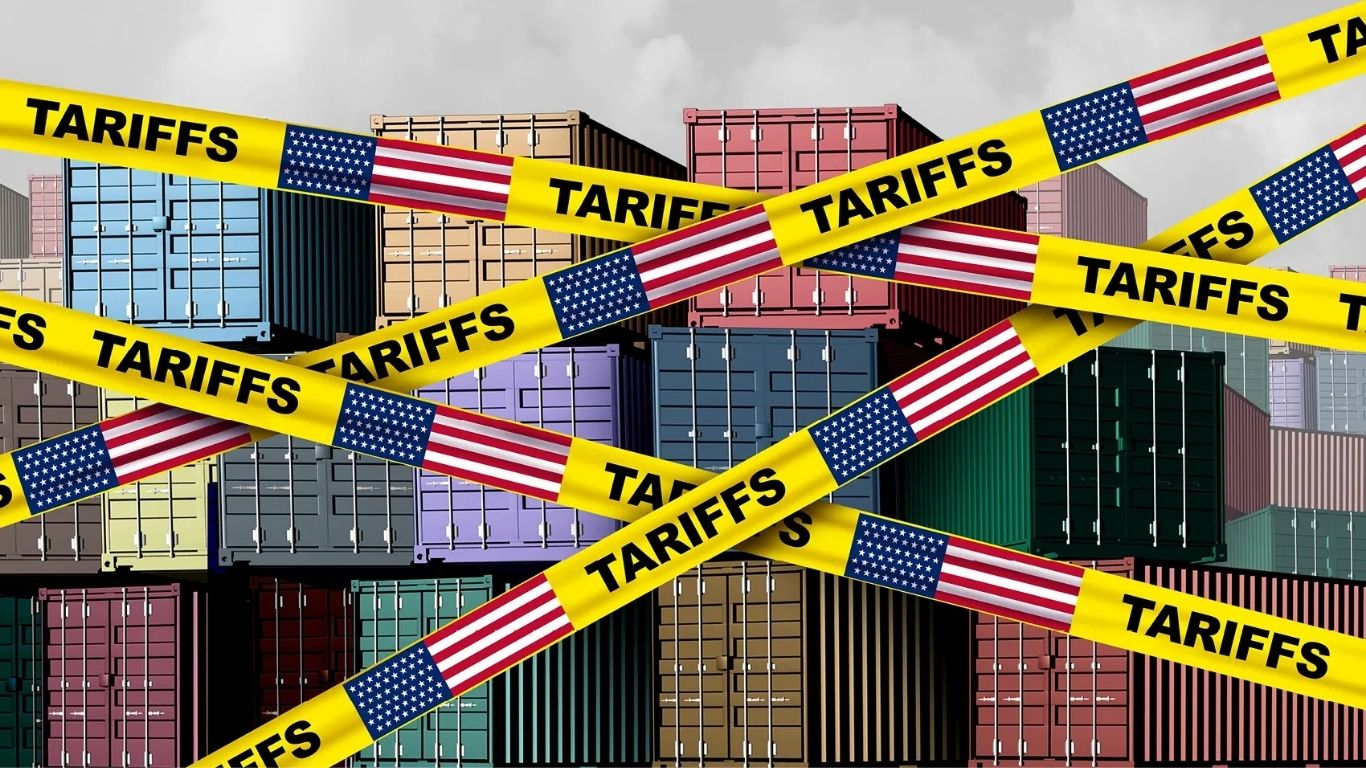
President Donald Trump’s sweeping “reciprocal” tariff regime has fundamentally altered the landscape of global trade, establishing a new normal anchored in tariffs rather than treaties. With the United States’ average effective tariff rate reaching historic highs unseen in generations, the reverberations are felt across global supply chains from Shenzhen’s factories to Sinaloa’s ports and the broader economy braces for a slowdown as the full tariff burden materializes. While headline growth numbers in 2025 still appear resilient, deeper structural costs are mounting, signaling significant challenges for 2026 and beyond.
The Mechanics of Reciprocal Tariffs and Their Impact
The administration’s tariff policy is blunt and expansive: if a trading partner taxes U.S. goods at a certain rate, the U.S. imposes a comparable tariff on their exports. Unlike targeted tariff skirmishes of the past, this approach applies systematically across categories, creating multiple cumulative costs along complex, multi-border supply chains. For instance, auto parts and apparel manufacturers face repeated tariffs as components cross borders, inflating costs at every step.
The “effective tariff rate” the true average tax burden on imported goods has surged to levels not seen since the interwar period. This heavily affects goods where alternatives to Chinese-dominated supply chains are scarce, such as batteries and advanced semiconductors. Despite time and efforts to reroute sourcing, switching suppliers is slow, so prices feel the tariff impact persistently.
Inflation, Wages, and Consumer Implications
Tariffs themselves do not guarantee inflation; the critical question is who absorbs the cost. The current tug-of-war among large retailers, brand owners, and consumers has temporarily delayed full price pass-through, but as inventories of pre-tariff goods deplete, consumers face steadily higher prices on essentials.
Categories like apparel, electronics, and food, particularly coffee, cocoa, and specialty imports, are experiencing visible price pressures. Household budgets, especially for lower-income families, feel the pinch most acutely as tariffs invisibly raise costs in everyday purchases. Persistently higher goods prices complicate the Federal Reserve’s task of balancing inflation control with economic growth, suggesting a prolonged period of sticky inflation that will temper monetary easing.
Supply Chain Rerouting and North American Manufacturing
North America has emerged as a favored alternative to circumvent tariffs, with Mexico and Canada seeing a surge in manufacturing activity designed to meet value-added rules under the USMCA trade agreement. This has led to increased investment in Mexican industrial parks fashioned to assemble Chinese inputs just enough to qualify as North American content, a legal but complex workaround.
Three main pathways dominate this rerouting: basic transshipment, deeper supply chain integration with local subassemblies, and direct Chinese investment in North American facilities. Policymakers face the difficult task of distinguishing between legitimate reshoring efforts and circumvention that threatens tariff enforcement, balancing trade integrity against economic growth incentives.
Sectoral Winners and Losers
Automobiles encapsulate tariff-driven cost pressures vividly. Tariffs on steel, batteries, and finished vehicles cascade costs through the supply chain, challenging manufacturers to absorb expenses or pass them on. Mid-range electric vehicles, sensitive to price increases, face a particularly harsh environment without subsidies or breakthroughs in battery costs.
Apparel manufacturers continue diversifying away from China, yet tariffs on intermediate inputs inflate landed costs, squeezing margins and encouraging consumers to trade down or delay purchases. Consumer electronics, especially lower-end devices reliant on older manufacturing nodes, are experiencing subtle demand slumps as tariff-induced price hikes delay upgrades.
Food and beverage inflation, particularly coffee, highlights the regressive impact of tariffs, with essential staples becoming more expensive for households already grappling with cost-of-living pressures.
Macroeconomic Outlook: Growth, Inflation, and Policy Challenges
Despite 2025’s stronger-than-expected growth, aided by front-loaded tariff avoidance buying and robust services demand, forecasts for 2026 and 2027 project significant headwinds from tariffs. The gradual depletion of stockpiled inventories at pre-tariff cost will raise prices and depress demand.
Central banks confront a novel inflation challenge: tariffs create a durable floor on goods prices that will temper disinflationary trends. The Fed faces a delicate balancing act between cautious rate cuts to support growth and vigilance to prevent inflation overshooting, with monetary policy likely to deliver a gradual cooling of demand rather than quick relief.
Global Trade Dynamics and Retaliation Risks
Trump’s tariff policy has fractured traditional trade alliances and accelerated bilateral negotiations grounded more in power politics than multilateral treaty frameworks. Key allies, including the European Union, have adopted tough stances in bargaining with Washington, intensifying internal tensions.
Retaliatory tariffs from trading partners like India and Mexico add complexity, raising risks of escalating tit-for-tat trade barriers that could depress global trade volumes. The erosion of World Trade Organization (WTO) authority amid great-power friction further amplifies uncertainty, making coordinated responses more challenging.
The Path Forward: Policy and Economic Implications
Three factors could mitigate the tariff-driven slowdown: a productivity boost from AI and related investments that offset price pressures; negotiated reductions in tariff rates that maintain reciprocal principles but lower effective costs; and stricter enforcement of rules-of-origin to curtail loopholes while supporting genuine near-shoring efforts.
Absent such changes, both consumers and businesses may face a prolonged period of higher costs, slower growth, and disrupted trade. Policymakers must carefully weigh the benefits of tariff revenues and leverage against economic and social costs that could impair competitiveness and household well-being.
Conclusion
President Trump’s expansive reciprocal tariff regime is reshaping the global trade environment, fostering a new baseline of elevated costs and complex supply chain dynamics. While headline growth figures currently mask underlying stresses, the cumulative toll on prices, wages, and investment signals a challenging economic horizon. Navigating this altered landscape requires nuanced policy responses that balance trade fairness, economic vitality, and the lived realities of consumers worldwide.




