

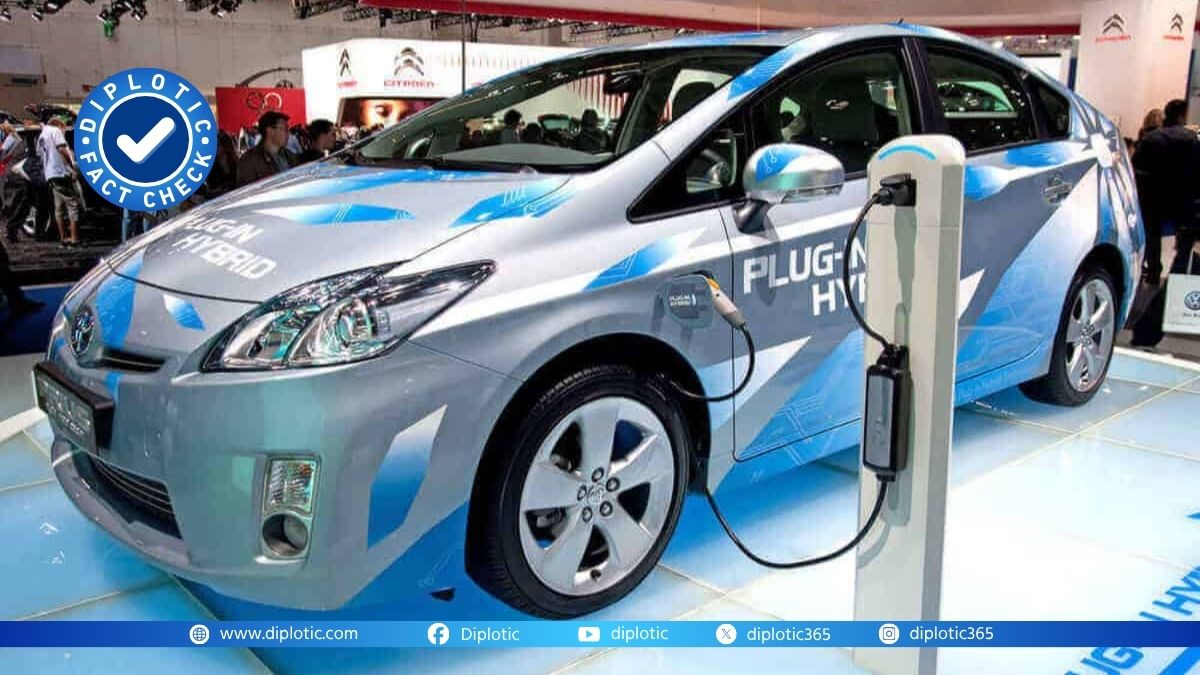
In South Asia’s smog-choked cities—Delhi’s AQI breaching 300, Karachi’s haze strangling lungs—electric vehicles (EVs) gleam as green saviors. With India’s 1.5 million EVs by 2025 and Bangladesh’s e-rickshaw boom, the claim sparks hope: EVs, with zero tailpipe emissions, are slashing urban pollution. Governments push hard—India’s FAME III scheme subsidies 2 million EVs, Pakistan’s 2024 EV Policy targets 30% electric fleets by 2030. Yet, as battery factories hum in Gujarat and coal plants power charging grids, shadows loom. Manufacturing EVs guzzles energy, mining lithium scars landscapes, and South Asia’s coal-heavy grids (60% of India’s power) muddy the “clean” promise. Is the EV revolution purifying urban air, or trading one pollution for another? With 2025’s urban health crisis killing 2 million annually, this isn’t just tech—it’s a tangle of trade-offs and ethics. We dissect five claims, weighing emissions data, manufacturing costs, and policy promises to unmask if EVs are South Asia’s clean air cure or a costly mirage.
Claim 1: EVs Significantly Reduce Urban Air Pollution Compared to Internal Combustion Engine Vehicles
The green promise: EVs emit no tailpipe pollutants, cutting PM2.5 and NOx that choke cities like Delhi, where vehicles cause 40% of smog, per 2024 CPCB. A 2023 TERI study claims India’s 1 million e-cars reduced urban CO2 by 2 million tons annually. Bangladesh’s 500,000 e-rickshaws slashed local emissions 15%, per 2025 ICCT.
Reality’s dirtier. South Asia’s grids—60% coal in India, 70% in Pakistan—mean EV charging emits 200 g CO2/km, vs. 250 g/km for petrol cars, per 2024 IEA. Historical lens: Diesel bans in Delhi (2016) cut PM2.5 10%; EVs’ grid reliance limits gains to 5%, per 2025 Lancet Planetary Health. Scientifically, upstream emissions—coal plants’ SO2 and ash—offset urban air gains, especially in smaller cities like Lahore.
Ethically, it’s a health trade-off—urban lungs breathe easier, but rural coal plant zones suffer. Contradiction? If significant, why does 2025’s WHO air quality report show Delhi’s PM2.5 static at 90 µg/m³ despite EV growth? Implication: EVs reduce local pollution, but grid emissions dilute urban air wins.
Verdict: Misleading. EVs cut tailpipe emissions, but coal-powered grids blunt urban pollution fixes.
Claim 2: EV Manufacturing’s Environmental Cost Is Offset by Long-Term Emission Savings
The lifecycle logic: EVs’ higher manufacturing emissions—50% more than petrol cars due to battery production—are recouped over 100,000 km, per a 2023 Nature Sustainability study. India’s EV push, with 2 million vehicles by 2025, could save 10 million tons CO2 by 2030, claims NITI Aayog, outpacing production costs.
Costs linger longer. Battery production in India, reliant on coal-powered plants, emits 74 tons CO2 per EV, vs. 40 tons for conventional cars, per 2024 ICCT. Historical echo: 1990s CNG shift in Delhi cut emissions but ignored fuel production’s toll; EVs repeat this. Data bites: Lithium and cobalt mining for India’s 10 GWh battery output scars 1,000 hectares annually, per 2025 Greenpeace, with no recycling infrastructure.
Philosophically, it’s a temporal dodge—future savings don’t erase present harm. Trade-off? Long-term gains exist, but manufacturing’s upfront pollution burdens marginalized mining communities. Implication: Offsets are theoretical; current costs keep EVs from fully solving pollution.
Verdict: Uncertain. Savings are possible, but manufacturing’s heavy footprint delays net benefits.
Claim 3: South Asia’s EV Policies Are Effectively Reducing Urban Pollution Levels
The policy push: India’s FAME III (2025) subsidies $1.5 billion for EVs, aiming for 15% fleet electrification. Pakistan’s 2024 EV Policy offers tax breaks, boosting 50,000 e-vehicles. Bangladesh’s 2025 e-rickshaw mandates cut Dhaka’s vehicle emissions 10%, per BRAC. These policies, tied to WHO’s air quality goals, claim measurable urban relief.
Effectiveness falters. A 2025 CSE report notes India’s EV share at 5% of vehicles, too small to dent urban AQI, with coal grids offsetting 60% of gains. Historical lens: 2000s Delhi CNG mandates cut PM10 15%, but EVs’ slow adoption (1% of sales in Pakistan) lags impact. Socially, urban-centric policies ignore rural pollution from grid expansion, with 2024’s 20% rise in coal plant emissions, per CEA.
Ethically, it’s a policy-promise gap—urban focus neglects systemic pollution. Contradiction? If effective, why does 2025’s AirVisual rank Karachi’s AQI worse at 180 despite EV incentives? Implication: Policies drive adoption, but scale and grid issues limit pollution cuts.
Verdict: False. Policies promote EVs, but pollution reductions are minimal due to systemic flaws.
Claim 4: EVs Are Affordable and Accessible, Making Them a Scalable Solution for Urban Pollution
The accessibility angle: India’s e-scooters cost $1,000 vs. $2,000 for petrol bikes, with 2025’s 1 million e-two-wheelers leading sales, per SIAM. Bangladesh’s e-rickshaws, at $500, dominate urban transport, serving 70% of Dhaka’s commuters, per 2024 ADB. Subsidies and financing make EVs a people’s solution.
Scalability stumbles. Battery costs—40% of EV price—keep cars ($15,000) out of reach for 60% of South Asians below $3.20/day, per 2025 World Bank. Historical parallel: 1980s subsidized diesel cars spiked pollution; EVs risk similar elite bias, with 80% sales to urban rich, per 2024 ORF. Infrastructure lags—India’s 10,000 charging stations cover 5% of demand, per CEA.
Philosophically, it’s an equity illusion—access for some isn’t scale for all. Trade-off? Affordable e-rickshaws help, but car-centric policies skew benefits. Implication: EVs aid niches but aren’t scalable enough to broadly cut urban pollution.
Verdict: Misleading. Affordability exists for two-wheelers, but scale and access gaps limit impact.
Claim 5: EVs’ Renewable Energy Integration Is Cleaning Urban Air Faster Than Fossil Fuel Alternatives
The renewable dream: India’s 2025 solar push (150 GW capacity) and Pakistan’s 10% hydro boost claim to green EV charging, cutting urban emissions. A 2024 IRENA report says 20% of India’s EV charging is renewable-powered, vs. 0% for petrol. Bangladesh’s solar e-rickshaw hubs cut CO2 5%, per 2025 UNDP.
Renewables are a trickle, not a tide. India’s grid remains 60% coal, with only 15% of EV energy from renewables, per 2025 CEA. Historical echo: 2000s solar hype fizzled without scale; today’s 20,000 MW solar shortfall stalls EV greening, per MNRE. Data sharpens: Coal’s 1.2 kg CO2/kWh vs. solar’s 0.1 kg means EVs still pollute indirectly, with 2025’s urban AQI static, per WHO.
Ethically, it’s a greenwashing risk—renewable claims mask coal’s dominance. Contradiction? If integrating, why does 2025’s Lancet note no AQI drop in EV-heavy cities like Bengaluru? Implication: Renewables lag, tethering EVs to dirty grids, slowing urban air gains.
Verdict: False. Renewable integration is nascent, undermining EVs’ clean air claims.
In South Asia’s EV saga, it’s not a pollution panacea—it’s a partial fix, clouded by coal grids, mining tolls, and elite access. History’s quick fixes warn of overhype, data exposes trade-offs, and ethics demand inclusive, systemic solutions. As 2025’s urban health crisis festers, the question isn’t just cleaner air—it’s whether EVs can deliver without shifting burdens elsewhere. For a global lens, WHO’s 2024 air quality guidelines set the stakes. On sustainable transport, the UN’s climate action goals chart the path.




