

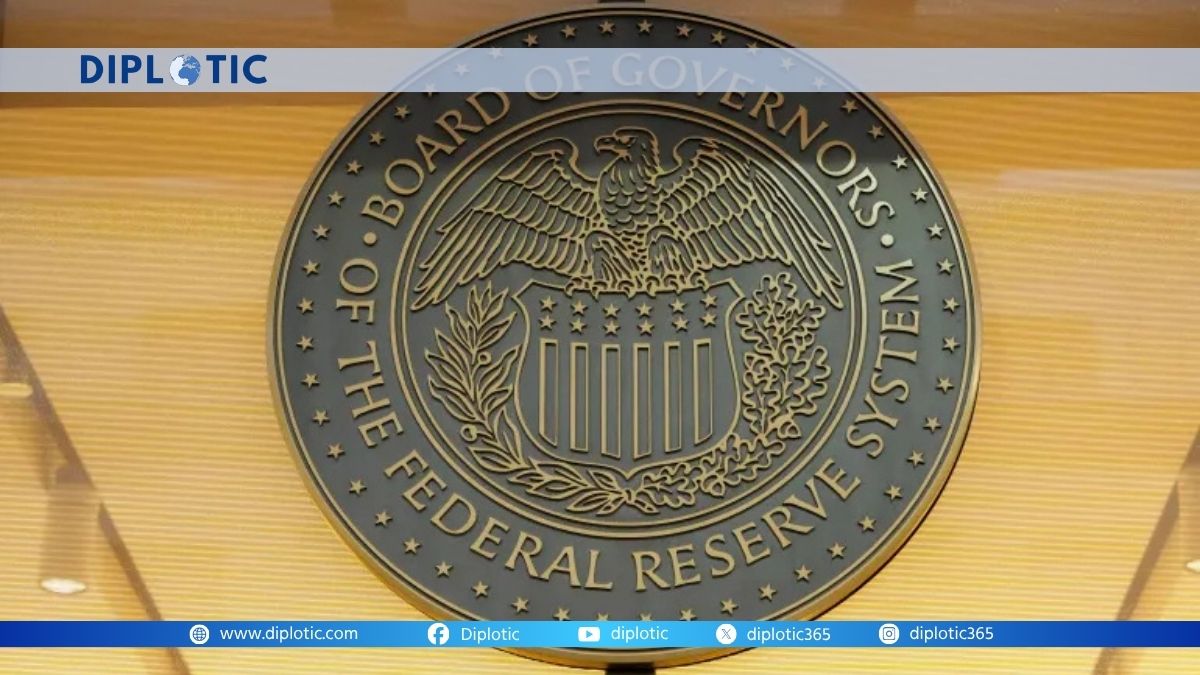
Explore the Federal Reserve’s 2025 rate cut amidst mounting political pressure from President Trump. This in-depth analysis examines the implications for Fed independence, inflation risks, and the future of US monetary policy.
The 2025 Rate Cut and Political Overtones
In a widely anticipated move, the Federal Reserve’s Open Market Committee (FOMC) reduced short-term interest rates by a quarter of a percentage point in September 2025, lowering the federal funds rate to a 4.00%–4.25% range. This was the Fed’s first rate cut since December 2024 and likely heralds additional cuts through the end of the year and into 2026. Yet, this policy shift comes under intense political pressure, with President Donald Trump demanding deeper cuts and exerting unprecedented influence over the Federal Reserve’s traditionally independent role.
Trump’s Drive to Control the FOMC
President Trump’s relentless campaign to reshape the Federal Reserve includes threats to fire Chairman Jerome Powell, the appointment of his Council of Economic Advisers chairman Stephen Miran, who advocates for more aggressive rate cuts, and attempts to remove Governor Lisa Cook, a key FOMC member who voted in favor of the September rate cut. This aggressive approach raises profound questions about the erosion of the Fed’s independence; an institution historically shielded from political control to ensure sound monetary policy.
The Historical Precedents of Political Pressure on the Fed
The current turmoil recalls historical clashes between US presidents and Fed chairs, echoing the Treasury-Fed Accord of 1951 that ended presidential attempts to influence the Fed’s monetary policy amid soaring postwar inflation. Presidents from Harry Truman to Richard Nixon to Lyndon Johnson have famously clashed with the Fed over interest rates, often leading to inflationary consequences. These episodes illuminate the perennial tension between political exigencies and the Fed’s mandate to maintain price stability.
Impact of the Fed’s Independence Myth
Economist Jonathan Newman and other scholars argue that Fed independence has often been more mythical than real, with political and economic crises prompting close coordination between the Fed, Treasury, and White House. Nevertheless, maintaining the perception of independence serves a critical role in anchoring expectations and preserving the dollar’s purchasing power. Undermining this principle may jeopardize long-term economic stability.
The Economic Risks: Inflation’s Inevitable Return?
The Fed’s rate cuts aim to mitigate economic slowdowns amid a softening labor market. However, succumbing to political pressure risks fueling inflation beyond the Federal Reserve’s 2% target a level “accepted” more by convention than theory, according to former Fed Chair Paul Volcker. Increased printing of money in response to calls for accommodative monetary policy threatens to erode real incomes, especially for fixed-income earners.
Conclusion: The Fed Roller Coaster Continues
The United States’ experiment with central bank independence a cornerstone of modern economic management faces renewed stress in 2025. While political realities ensure some governmental influence over monetary decisions, the challenge remains to balance this with a commitment to price stability and economic prosperity. History suggests that inflationary pressures and market volatility will test the Fed’s resilience, making the institution’s future course both vital and uncertain.




