

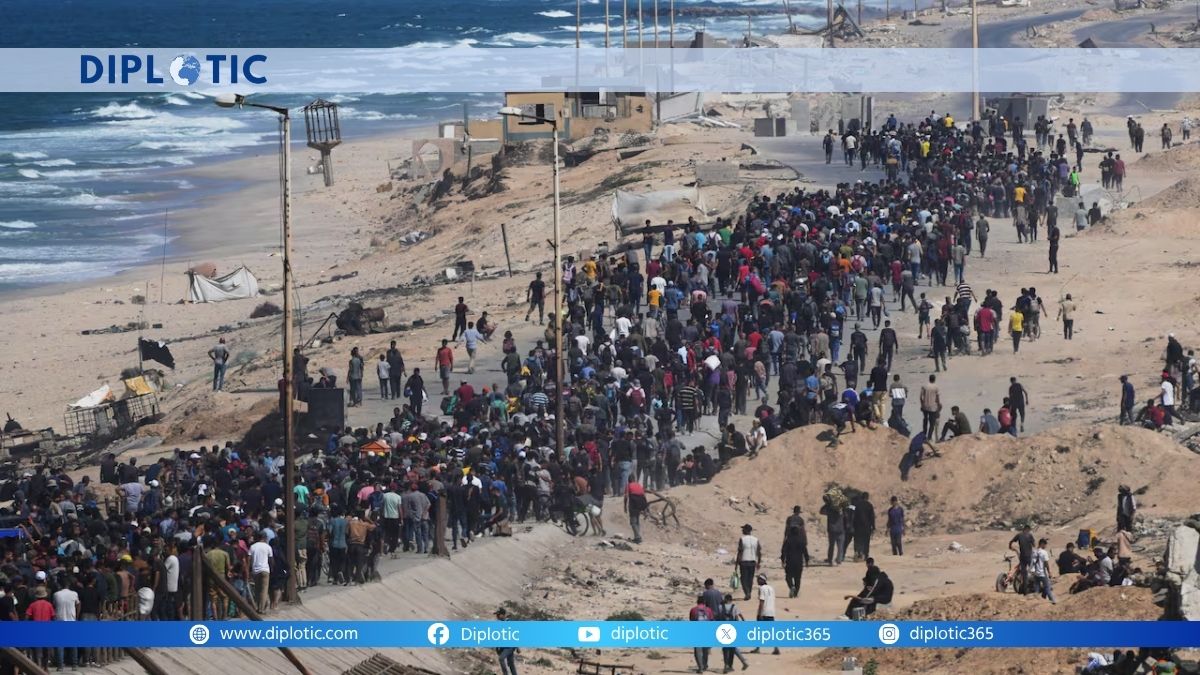
The Gaza ceasefire, finalized in October 2025, represents a pivotal but fragile step amidst two years of devastating conflict between Israel and Hamas, bringing cautious hope for lasting peace and humanitarian relief to a region engulfed by continuous violence and suffering.
Background and Diplomatic Framework
The ceasefire followed intense diplomatic negotiations involving the United States, Egypt, Qatar, and the United Nations, aimed at halting hostilities and addressing the humanitarian disaster in Gaza. It was built around a multi-stage plan: an initial ceasefire with phased Israeli troop withdrawals from Gaza, the release of hostages and prisoners by both sides, and gradual lifting of blockade restrictions to permit accelerated humanitarian aid and reconstruction efforts. The deal envisioned a three-phase process including a permanent ceasefire, full prisoner exchanges, cessation of military operations, and commitments from Hamas on demilitarization.
This diplomatic initiative arrived against a backdrop of mounting international pressure on Israeli Prime Minister Netanyahu and Hamas, with global advocacy increasing for an end to the war and recognition of Palestinian statehood by key allies. Public opinion polls suggested a majority of Israeli citizens favored peace, and the families of hostages exerted sustained pressure to resolve the brutal impasse. Though hardliners in Israel’s government resisted, the balance of internal and external forces compelled leadership toward negotiated peace.
Humanitarian Crisis: Severity and Immediate Challenges
The humanitarian toll has been catastrophic. With nearly 90% of Gaza’s population displaced and extensive civilian casualties exceeding 46,000 dead, the ceasefire opens a crucial gateway to allow much-needed humanitarian aid delivery. Hospitals, overwhelmed and undersupplied, have faced ongoing shortages of medical equipment and staff even as the ceasefire unfolds. Access to healthcare remains constrained amid lingering security concerns and Israeli restrictions on heavy equipment essential for rebuilding infrastructure destroyed by the conflict.
Aid agencies continue to face bureaucratic and political obstacles in delivering food, clean water, fuel, and shelter materials that are critical for survival and rebuilding. Delays in fully lifting the blockade have delayed the influx of supplies and reconstruction materials, while displaced families await return to their homes amidst damaged or destroyed housing. The persistence of restricted access and some hostilities in parts of Gaza underscores the fragility of the ceasefire and the vulnerability of civilian populations.
Security, Hostage Exchange, and Political Complexities
The ceasefire’s success hinges on trust and compliance by both parties. Israel demands the complete disarmament of Hamas and the unconditional release of hostages as prerequisites to further easing of restrictions. The prisoner and hostage exchange has been emblematic of the complexities involved. Initial stages saw the release of women and children; however, negotiations for releasing all remaining hostages, both civilians and soldiers, remain sensitive and hindered by mutual accusations of violations of ceasefire terms. The transfer and return of bodies of deceased hostages were part of efforts to build confidence, but remain painful reminders of the conflict’s human cost.
Israel’s insistence on the Gaza Strip’s demilitarization and a formal role for the Palestinian Authority in governance further complicates the political picture. Hamas retains significant influence in Gaza, and the divide between Palestinian factions challenges the prospect of unified governance required for sustainable peace and reconstruction. Regional actors, including Egypt and Qatar, play critical roles as mediators and guarantors, with ongoing diplomatic engagement essential to maintain ceasefire terms and advance toward a comprehensive settlement.
Regional and Global Significance
The ceasefire’s implications extend beyond Gaza itself, touching on broader Middle East regional stability and international diplomacy. The United States, under President Donald Trump’s administration, has taken a direct role in mediating this peace process, highlighting its strategic interest in reducing violence and curbing extremist influence. The normalization or improvement of Israel-Palestinian relations impacts neighboring countries and the wider geopolitical balance, affecting alliances, security cooperation, and economic ties.
Moving Forward: Opportunities and Challenges
To capitalize on the ceasefire’s potential, several critical steps must be urgently prioritized:
Humanitarian Access: Immediate and unconditional permissions are needed to allow full-scale entry of food, medical supplies, fuel, and reconstruction materials into Gaza, without restrictions or delays.
Reconstruction Efforts: Coordinated international aid programs backed by robust monitoring to rebuild destroyed infrastructure, restore essential services, and support displaced populations returning home.
Political Engagement: Diplomatic channels must remain open with active involvement from regional actors, the UN, and key international players to facilitate political dialogue between Israel, Hamas, and the Palestinian Authority.
Security Guarantees and Demilitarization: Clear, enforceable security provisions to prevent the resumption of hostilities, including measures to ensure Hamas’s disarmament while addressing legitimate Palestinian security concerns.
Long-Term Peacebuilding: Addressing the root causes of conflict such as blockade effects, political disenfranchisement, and mutual recognition, essential for transforming ceasefire into durable peace.
The Gaza ceasefire offers a rare and powerful opportunity to alleviate suffering and stabilize one of today’s most volatile conflict zones. However, achieving lasting peace requires sustained commitment from all stakeholders, local, regional, and global, to convert this fragile truce into a meaningful pathway toward reconciliation, justice, and human dignity for Gaza’s population.




