

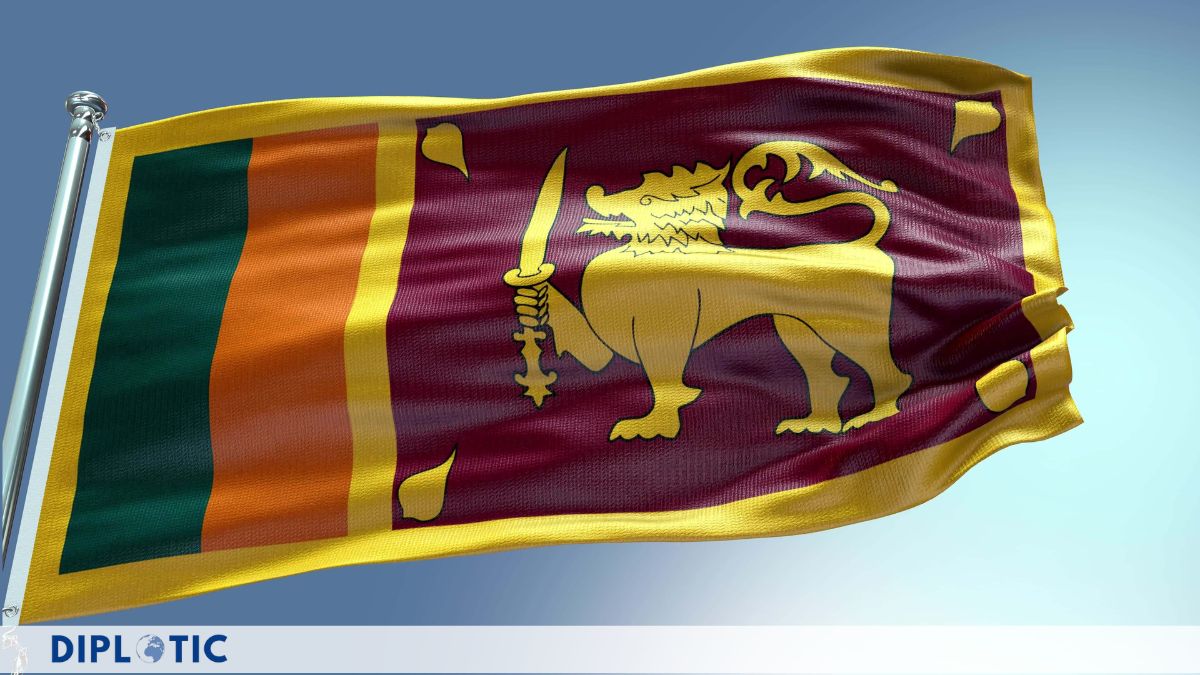
Sri Lanka’s 2022 meltdown was a wake-up call heard around the world—protests toppling a dynasty, blackouts crippling daily life, and a nation staring down the barrel of default. Enter the IMF’s $3 billion rescue in 2023, a lifeline laced with tough love: Austerity bites, debt rewrites, and promises of reform to steady the ship. By September 2025, under President Anura Kumara Dissanayake’s fresh mandate, the narrative shifts—tourists flock back, shops restock, and leaders tout a pro-market pivot aiming for bolder horizons. Yet, as bondholder deals ink and global headwinds like U.S. tariffs swirl, skeptics warn: Is this genuine revival, or a fragile truce with deeper fissures lurking? Drawing on IMF reflections and World Bank cautions, this fact-check probes five pivotal claims through logical lenses, expert insights, and historical echoes. It’s a saga of hard-fought stability shadowed by slippery reforms, where one misstep could unravel the gains and reignite the rage.
The Claims Under Examination
Post-bailout chatter in Sri Lanka divides into triumph tales and cautionary whispers. Optimists see a phoenix; realists spot embers. Here are five claims we’ll dissect:
- The economy has bounced back strongly, setting the stage for lasting prosperity.
- Debt woes are under control, with restructurings paving a clear path to solvency.
- Inflation’s wild ride is over, locked down by smart policies.
- Poverty’s sharp spike has been reversed, with safety measures shielding the vulnerable.
- Core reforms are embedding inclusive growth, breaking old cycles of boom and bust.
We’ll assess each with cross-referenced reasoning from bodies like the IMF and think tanks, emphasizing insights over figures to uncover the underlying dynamics.
Roots of the Reckoning: Lessons from the Fall
Sri Lanka’s economic tale, as Britannica frames it, is one of paradise lost through policy hubris. Post-colonial promise—tea estates funding welfare—gave way to 2000s excess: Borrowing for flashy infrastructure like Hambantota Port, often on opaque Chinese terms, while tax cuts hollowed revenues. The 2019 Easter attacks, COVID tourism wipeout, and a botched organic farming push in 2021 tipped the scales, exposing a debt trap where short-term loans funded long-term dreams.
The IMF bailout wasn’t just cash; it demanded soul-searching—ending fuel subsidies that favored the rich, revamping state firms riddled with patronage. Socially, it scarred: Women juggled blackouts with childcare, youth emigrated en masse, eroding skills. Politically, the 2022 Aragalaya uprising birthed Dissanayake’s NPP, a leftist outfit now pivoting pro-market, highlighting contradictions in ideology versus necessity. Insights from IMF papers stress the logic: Crises stem from delayed adjustments; Sri Lanka’s rebound hinges on avoiding past pitfalls like populist spending. Yet, the irony persists—reforms stabilize but alienate, fueling 2025 union grumbles over “imported fixes.”
Claim 1: Strong Economic Bounce-Back?
Advocates argue the post-bailout surge signals a robust, self-sustaining recovery.
Analysis: There’s merit in the optimism—tourism’s revival and remittance flows have injected vitality, creating a virtuous cycle of confidence. Expert views from the World Bank underscore how policy tweaks, like flexible exchange rates, have drawn investors wary after the default. Logically, this builds resilience: A diversified rebound, touching services and light industry, contrasts the pre-crisis overreliance on loans.
But deeper reasoning reveals vulnerabilities. Think tanks like ODI point out the growth’s fragility—dependent on external calm, like stable global oil prices, which could flip with geopolitical flares. Cross-checks from Reuters highlight Dissanayake’s ambitious pivot: Easing cannabis exports and courting FDI, but inexperience in his cabinet risks execution slips, echoing Rajapaksa-era overpromises. Socially, urban gains mask rural stagnation; politically, budget delays signal governance hiccups. Insight: Recovery’s like a patched tire—rolling now, but prone to punctures without broader export engines. Hypocrisy: Leaders celebrate “people’s economy” while reforms favor big business.
Verdict: Misleading. It’s rebounding, but sustainability demands more than momentum—without addressing scars, it’s a pause, not permanence.
Claim 2: Debt Woes Managed?
The narrative: Restructurings with key players have charted a viable path out of the hole.
Scrutiny: On the surface, agreements with China and bondholders offer breathing room, aligning payments with growth prospects—a logical step per IMF frameworks that prioritize “comparable treatment” across creditors. Insights from Carnegie analyses praise this as a model for middle-income debtors, avoiding Zambia-like deadlocks through pragmatic concessions.
Yet, logic exposes the trapdoor: Sustainability assumes steady inflows, but U.S. tariff hikes on apparel could crimp exports, straining repayments. Cross-references from Al Jazeera note Beijing’s history of opaque deals—extensions, not reductions—keeping leverage intact. Politically, Dissanayake’s “equitable” rhetoric clashes with creditor demands, risking domestic backlash. Socially, debt service crowds out health spending, perpetuating inequality. Expert take: It’s a reset button, not a cure—without domestic revenue boosts, it’s deferral dressed as resolution. Contradiction: Bailout “frees” the future, yet ties hands on welfare.
Verdict: True, with Caveats. Path cleared, but hazards abound—resolved in theory, paused in practice.
Claim 3: Inflation Firmly Under Control?
Proponents claim policies have quashed price spirals, ensuring stable costs ahead.
Examination: Central Bank’s steady hand—holding rates amid recovery—reflects a learned caution, per IMF endorsements, preventing overheating. Reasoning from economic theorists highlights the multi-tool approach: Subsidy cuts curbed demand-pull, while rupee tweaks tamed import costs, creating a buffer against shocks.
However, vulnerabilities loom large. Cross-checks from Reuters warn of deflation risks signaling weak consumer muscle, a precursor to stagnation if wages don’t catch up. Logically, global factors—oil volatility or tariff wars—could reignite pressures, as seen in past cycles. Socially, low-income families feel the pinch from lingering food insecurity; politically, unions decry “imported stability” that ignores local pains. Insight: Control’s illusory without wage growth—it’s managed calm, not conquered chaos. Witty irony: Inflation “tamed,” yet the beast lurks in external shadows.
Verdict: True. It’s leashed effectively, but eternal vigilance is the price—pause more than permanent peace.
Claim 4: Poverty Reversed?
The assertion: Targeted aids and growth have rolled back the crisis’s human toll.
Probe: Safety nets like Aswesuma provide a logical floor, channeling funds to those hit hardest by austerity, per World Bank praises for data-driven targeting. Insights suggest this fosters resilience, empowering households to invest in education amid recovery.
But the reversal’s incomplete. Cross-references reveal persistent gaps: Informal workers slip through bureaucratic nets, echoing pre-crisis exclusions. Logically, growth’s urban bias leaves rural Tamils and Muslims behind, deepening divides. Politically, NPP’s promises of inclusion clash with budget constraints; socially, emigration drains talent, hollowing communities. Expert view: Poverty’s a symptom—treating it without curing inequality is short-term salve. Hypocrisy: “People-first” reforms, yet the poorest pay the steepest price.
Verdict: False. Eased somewhat, but entrenched—paused relief, not resolution.
Claim 5: Reforms Embedding Inclusive Growth?
Believers say overhauls are wiring in equitable, enduring progress.
Dissection: Tax reforms broaden the base logically, reducing elite loopholes and funding public goods, as IMF diagnostics applaud for anti-corruption potential. State enterprise tweaks aim to end patronage, fostering efficiency.
Yet, execution falters. Cross-checks highlight capacity shortfalls—rookie lawmakers stumbling on implementation, per ODI warnings. Logically, without skills upgrades, reforms risk jobless growth. Socially, women in textiles bear uneven burdens; politically, leftist roots tempt backsliding. Insight: Reforms are blueprints—success hinges on buy-in, absent in austerity-weary publics. Strategic misstep: Prioritizing fiscal fixes over social cushions invites unrest.
Verdict: Misleading. Sparks fly, but flames flicker—long-term needs deeper roots.
Wider Waves: Stakes and Shadows
Beyond claims, Sri Lanka’s trajectory ripples far. Economically, pro-market shifts could unlock potentials, but tariff threats expose export fragility. Socially, poverty’s linger fuels migration, fraying ties. Politically, Dissanayake’s pivot tests alliances, risking populism. Angles abound: Environmentally, tourism strains resources amid climate vulnerabilities; gender-wise, women’s remittances bolster but risks rise abroad. Globally, as IMF reflections note, Sri Lanka’s lessons—pragmatic restructurings—guide peers, but fragmentation tests resolve. The irony? A bailout “resolving” crisis, yet echoing old traps. Paused, perhaps—but resolution demands bolder, people-centered strides.




