

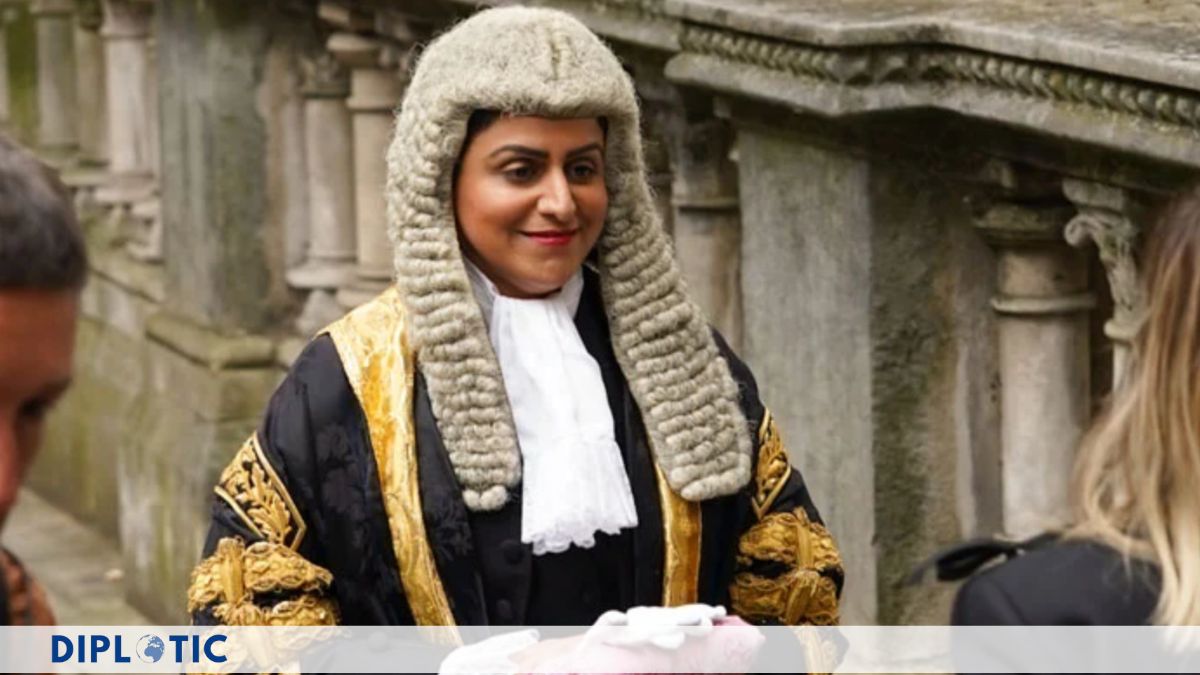
Roots and Rise: From Birmingham to the Home Office
Shabana Mahmood’s appointment as the UK’s Home Secretary on September 5, 2025, marks a historic milestone. Born in Birmingham in 1980 to Pakistani parents from Mirpur, Azad Kashmir, she is the first Muslim woman of Pakistani descent to lead the Home Office, overseeing immigration, policing, and national security. Her journey began in Small Heath, one of Birmingham’s poorest areas, where her family ran a corner shop after returning from a stint in Saudi Arabia, where her father worked as a civil engineer. Educated at Lincoln College, Oxford, Mahmood studied law and qualified as a barrister specializing in professional indemnity, as detailed in her biographical overview. Her political career launched in 2010 when she became MP for Birmingham Ladywood, joining Rushanara Ali and Yasmin Qureshi as one of the UK’s first female Muslim MPs.
Mahmood’s early years were shaped by her father’s role as a local Labour Party chair, sparking her political engagement. Her election in 2010, though marred by constituency disputes, was validated by a party inquiry. She quickly rose through Labour’s ranks, holding shadow roles under Ed Miliband, including Shadow Financial Secretary to the Treasury and Shadow Minister for Prisons. Her refusal to serve under Jeremy Corbyn in 2015, citing ideological misalignment, and support for Owen Smith in 2016 underscored her socially conservative Blue Labour leanings. By 2021, she returned as Keir Starmer’s National Campaign Coordinator, later becoming Shadow Justice Secretary in 2023. Her tenure as Justice Secretary and Lord Chancellor from July 2024 introduced bold reforms, including early prisoner releases to ease overcrowding, a crisis she called a “ticking time bomb.”
This backdrop reveals a politician forged by resilience and pragmatism. Yet her ascent has not been without friction. Mahmood has faced harassment from segments of Birmingham’s Pakistani community and, since her Home Secretary appointment, a surge in racist and Islamophobic abuse from far-right groups, often amplified on platforms like TikTok and Instagram. Her response, rooted in her faith and identity, emphasizes public service as a calling for Muslim women. As she steps into one of Britain’s great offices of state, her background—both personal and political—positions her to confront the Home Office’s daunting challenges, but it also invites scrutiny of her ability to balance progressive ideals with her conservative instincts.
Policy Under Pressure: Immigration, Security, and the Blue Labour Paradox
Mahmood’s new role thrusts her into the heart of Britain’s most contentious issues: immigration, policing, and national security. The Home Office, long a political crucible, faces mounting pressures—Channel crossings hit 50,000 since Labour’s 2024 victory, asylum backlogs persist, and grooming gang inquiries demand action. Her predecessor, Yvette Cooper, laid groundwork with counter-terror laws against people smugglers and plans to curb judicial blocks on deportations. Mahmood, however, signals a tougher stance, shaped by her Blue Labour affiliation, which blends social conservatism with economic leftism. In a 2025 Spectator interview, she expressed affinity for “faith, flag, and family,” aligning with constituents in her 70 percent non-white Birmingham Ladywood seat who favor managed migration. Her support for deporting foreign offenders immediately after sentencing, announced as Justice Secretary, underscores this: “If you abuse our hospitality and break our laws, we will send you packing.”
This hardline approach contrasts with Labour’s broader progressive ethos, exposing a paradox. Blue Labour’s founder, Lord Glasman, praised her appointment as “fantastic,” seeing her as a leader for their faction. Yet her policies risk alienating liberal voters, especially as she navigates asylum reforms and police restructuring. Historical parallels abound: past Home Secretaries, like Labour’s David Blunkett, faced backlash for tough immigration measures, while Theresa May’s “hostile environment” policy drew human rights critiques. Mahmood’s deportation focus mirrors these, but her identity as a Muslim woman of Pakistani descent complicates the narrative. Critics on X have attacked her heritage and pro-Palestine stance, with some falsely claiming she prioritizes Islam over duty, a charge rooted in her Quran-based oath as Lord Chancellor.
Economically, her policies could reshape migration flows. Stricter deportations and asylum curbs may reduce the UK’s 300,000 annual net migration, but they risk straining relations with the EU, which seeks cooperation on Channel crossings. Her support for reforming the European Convention on Human Rights, as noted in The Telegraph, aligns with Starmer’s push to counter Nigel Farage’s Reform UK, which gained traction after a 2025 byelection loss. Yet businesses and the NHS, reliant on foreign labor, may resist visa restrictions. Mahmood’s challenge is to thread this needle—appeasing her conservative base while maintaining Labour’s coalition. Her past success in the 2021 Batley and Spen by-election, securing Starmer’s leadership, suggests political acumen, but the Home Office’s history of breaking careers looms large.
Global Context: Identity, Conflict, and the UK’s Place in a Fractured World
Mahmood’s appointment resonates beyond Britain, reflecting a global shift toward diverse leadership amid rising populism. Her ascent parallels figures like Sadiq Khan, London’s first Muslim mayor, and Kamala Harris, the US’s first female vice president of Indian descent. Yet her role as a Muslim woman in a high-stakes office draws unique scrutiny, amplified by global Islamophobia and far-right movements. In Birmingham, she faced misinformation campaigns, as she told Geo News in 2024, targeting her as a Pakistani-origin MP. Her condemnation of violence in the Israel-Palestine conflict and advocacy for a two-state solution align with Labour’s grassroots but fuel online vitriol, with X posts falsely linking her to Hamas or claiming she signed anti-deportation letters. These attacks echo global trends, like the backlash against Ilhan Omar in the US, where minority women in power face disproportionate hate.
Geopolitically, Mahmood’s immigration policies intersect with global crises. The UK’s asylum backlog, at 120,000 cases, reflects broader displacement from conflicts in Ukraine, Syria, and Afghanistan. Her push for faster deportations and alternative asylum housing—disused military bases or modular units—mirrors Australia’s offshore processing model, which drew UN criticism for human rights violations. Economically, curbing migration could save £10 billion annually in public services, per Home Office estimates, but risks trade tensions if the EU retaliates over post-Brexit deals. Her stance on Palestine, advocating peace while condemning civilian deaths, positions her as a moderate in Labour’s divided ranks, yet it invites accusations of bias in a polarized world.
Comparisons to historical figures like Margaret Thatcher, whom Mahmood admires for breaking gender barriers, highlight her trailblazing role. Yet Thatcher’s monetarist policies contrast with Mahmood’s Blue Labour roots, creating a tension between her conservative instincts and Labour’s social democratic legacy. Her faith, cited in her Quran-inspired Lord Chancellor oath, fuels her “common sense” politics but risks misinterpretation in a secular state. As global migration surges—UNHCR reports 120 million displaced people—her policies will test the UK’s humanitarian commitments against domestic pressures, echoing post-World War II debates over Commonwealth immigration.
Future Horizons: Can Mahmood Balance Security, Identity, and Reform?
Looking ahead, Mahmood faces a defining test: can she stabilize the Home Office while bridging Britain’s social divides? Her immediate challenges—Channel crossings, asylum delays, and police reform—require deft navigation. Starmer’s government, trailing in polls after Reform UK’s rise, leans on her to reclaim ground on law-and-order issues. Her early release scheme as Justice Secretary, freeing thousands to ease prison overcrowding, drew praise for pragmatism but criticism for leniency, with X posts exaggerating her role in releasing “violent criminals.” Similar missteps as Home Secretary could amplify far-right narratives, risking Labour’s 2029 election prospects.
Economically, her policies could reshape the UK’s £2.7 trillion economy. Tighter visa rules, including English-language tests, may cut 100,000 arrivals annually, per Sky News, but could exacerbate NHS staffing shortages, with 10 percent of nurses foreign-born. Geopolitically, her deportation focus aligns with US and EU trends toward stricter borders, yet her identity as a Muslim woman invites global scrutiny. If she curbs Channel crossings—up 20 percent in 2025—she could bolster Labour’s credibility. Failure risks fueling Reform UK’s narrative of a “broken” system.
Her personal story offers a counterpoint. Quoting the Quran’s call for justice in her Lord Chancellor oath, she framed her role as a beacon for marginalized communities, as noted in her career milestones. Yet the Home Office’s history—six Conservative secretaries since 2018—suggests peril. Strategic miscalculations, like overpromising on deportations, could erode trust. Her Blue Labour stance, favoring community cohesion over open borders, may resonate in Birmingham but alienate urban liberals. As global populism rises, Mahmood’s tenure will test whether diversity in leadership can bridge divides or deepen them, shaping Britain’s role in a fracturing world order.




