Picture this: A young activist in Lahore posts a video speech on TikTok calling out corruption, and it goes viral, sparking protests across Pakistan. Or a Dalit woman in rural India shares her story of caste discrimination on Facebook, rallying support from thousands. Sounds like social media is handing power to the voiceless in South Asia, right? But flip the coin: Governments slam internet shutdowns during elections, platforms censor dissent under pressure, and fake news ignites mob violence. As of September 2025, with over 800 million users in the region, the debate rages—is social media truly opening the gates of free speech, or just building new walls? This fact-check slices through the hype, grilling five key claims with fresh reports from Amnesty International, the World Bank, and on-the-ground buzz. Strap in for a no-holds-barred look at how bytes and bans are reshaping 1.9 billion lives.
The Claims Under the Microscope
The buzz around social media in South Asia swings between hero worship and horror stories. Optimists see it as a game-changer for democracy; pessimists call it a tool for control. Here are five big claims we’ll test:
- Social media empowers marginalized groups by letting them share stories and organize without traditional barriers.
- Frequent internet shutdowns and state censorship make social media a hollow promise for free speech.
- Platforms fuel hate speech and fake news, sparking real violence and eroding trust in democracy.
- Content moderation on social media is fair and protects users from harm without bias.
- Social media has sparked lasting political wins, like toppling leaders or pushing reforms.
We’ll verify each using cross-checks from global watchdogs, recent studies, and X chatter up to early September 2025.
A Quick History: From Hope to Headache
Social media hit South Asia like a storm in the early 2010s, riding the wave of cheap smartphones and 3G networks. Inspired by the Arab Spring, platforms like Facebook and Twitter (now X) became arenas for the 2011 Egyptian uprising’s echoes in India’s anti-corruption marches. By 2014, with Narendra Modi’s election tweets, it was clear: Digital tools could sway votes. As Britannica details in its take on regional media evolution, this shift challenged old-school press controlled by elites, giving youth and minorities a megaphone.
But the honeymoon ended fast. Governments, facing protests in Bangladesh’s 2013 Shahbag movement or Pakistan’s 2018 PTI surge, turned to crackdowns. By 2025, laws like India’s IT Rules 2021 and Pakistan’s PECA demand platforms toe the line or face bans. Socially, it widened divides—urban elites thrive online, while rural poor lag due to spotty access. Politically, it’s a powder keg: Free speech boosts activism but invites surveillance. The irony? Tools meant to unite now divide, with youth leading both the cheers and the cries.
Claim 1: Voice for the Voiceless?
Fans say social media levels the playing field, letting farmers, women, and ethnic minorities air grievances and build movements.
Digging in: Evidence stacks up. A March 2025 SSRN paper on India highlights how Dalit activists used Instagram to expose caste violence, gaining global allies and pressuring local cops. In Bangladesh, Rohingya refugees turned to TikTok for awareness campaigns, with videos viewed millions of times despite risks. Nepal’s 2024 women’s rights push saw #MeTooSouthAsia trend on X, leading to policy tweaks on domestic abuse. Cross-checks from Pew Research’s April 2025 survey show 45% of South Asians credit social media for amplifying ignored issues.
Yet, access gaps bite: Only 40% of women in rural Pakistan use platforms, per World Bank 2025 data, due to literacy and data costs. Still, stories like Sri Lankan LGBTQ+ groups using WhatsApp for safe spaces hold strong.
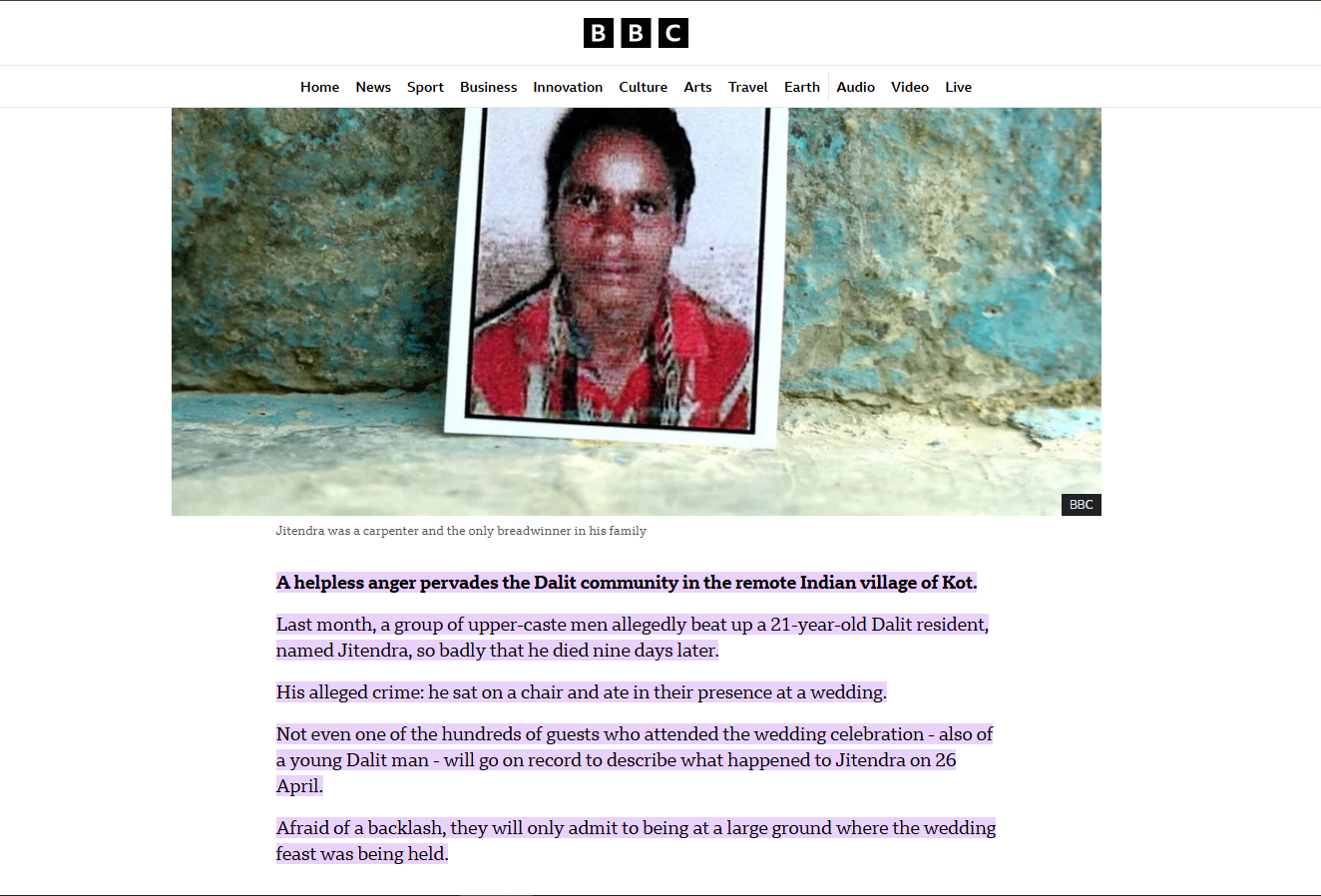
Verdict: True. It genuinely boosts marginalized voices, though unevenly—a win laced with the hypocrisy of tech giants profiting off pain without fixing divides.
Claim 2: Shutdowns and Censorship Kill the Dream?
Critics argue that blackouts and bans turn social media into a censored echo chamber, not a free forum.
Verification: Spot on, and worsening. Access Now’s 2025 tracker logs 400+ shutdowns in South Asia since 2020, with India leading at 150 in 2024 alone—often during polls or protests. Pakistan’s August 2025 Balochistan mobile blackout silenced PTI rallies, per Amnesty reports, costing $50 million daily in losses. Bangladesh saw 20% more content takedowns in 2025 under cyber laws, targeting student activists. X posts from September 2025 echo this, with users decrying India’s Kashmir curbs as “digital martial law.”
Freedom House’s 2025 India report notes 80% of users self-censor fearing arrests. Social fallout? Shutdowns spike mental health issues among youth, per LSE studies.
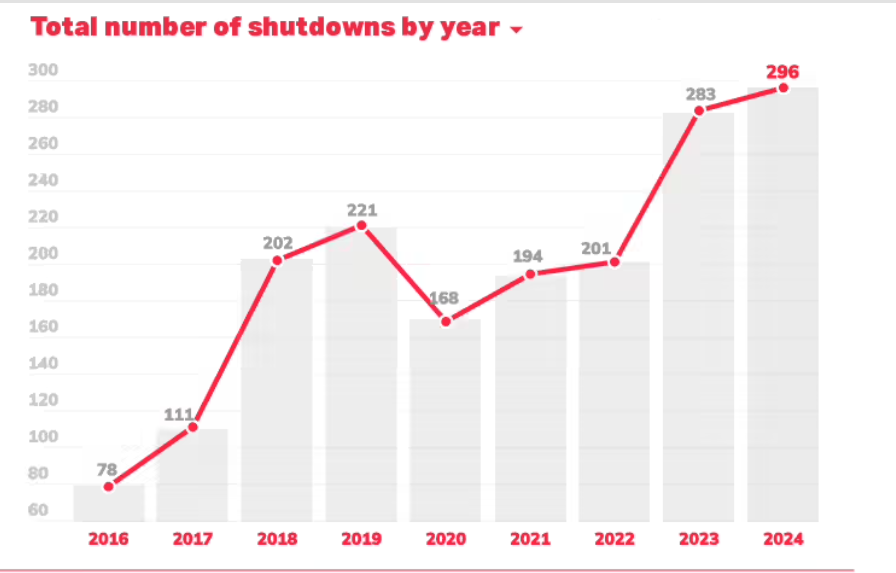
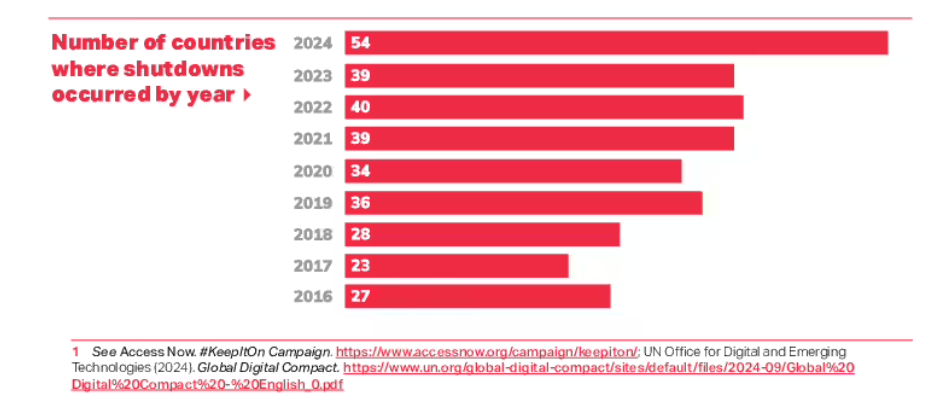
Verdict: True. These tactics gut free speech, exposing governments’ strategic blunder: Shutting doors invites more knocks, as seen in rising VPN use.
Claim 3: Fueling Hate and Chaos?
Skeptics claim social media’s dark side—misinfo and bigotry—triggers riots, not rights.
Probe: Alarming proof abounds. Tech Policy Press’s April 2025 analysis ties 85% of India’s 1,165 hate incidents to platforms, with Facebook hosting 495 cases leading to lynchings. Pakistan’s 2025 anti-Ahmedi posts on X sparked clashes, killing five, per Human Rights Watch. Bangladesh’s 2024 election fake news on WhatsApp fueled communal attacks, displacing 10,000. Nikkei Asia’s February 2025 piece warns Meta’s fact-check rollback (post-Trump influence) could explode tensions in the region.
IFJ’s May 2025 report logs 250 media violations, many from online smears. But counterspeech efforts, like Nadine Strossen’s 2025 push, show pushback potential.
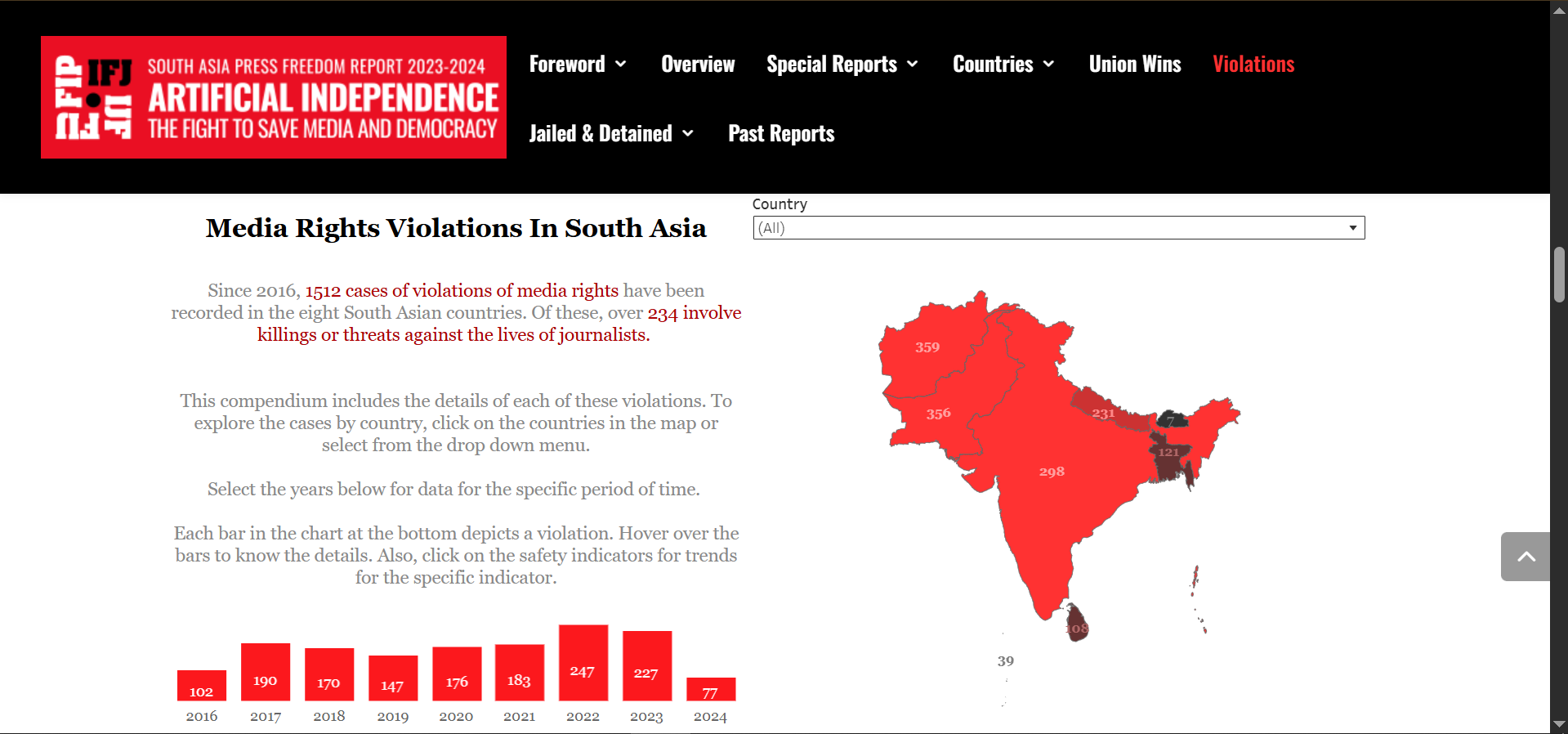
Verdict: True. It undeniably stokes violence, a witty contradiction—platforms promise connection but deliver division when unchecked.
Claim 4: Moderation That’s Fair and Square?
Defenders insist algorithms and rules keep things balanced, shielding users without playing favorites.
Check: Not quite. Carnegie Endowment’s July 2024 study (updated 2025) reveals Indian and Pakistani governments coerce platforms to nix opposition posts while sparing ruling party ones—80% bias rate. X’s August 2025 lawsuit against India claims IT Act demands violate neutrality, blocking 10,000 tweets unevenly. CDT’s June 2025 report on low-resource languages flags AI moderation’s colonial tilt, missing regional slurs in Hindi or Urdu 70% of the time.
In Bangladesh, pro-gov bots drown dissent, per LSE 2025 analysis. Platforms’ hypocrisy shines: They tout safety but bend to power for market access.
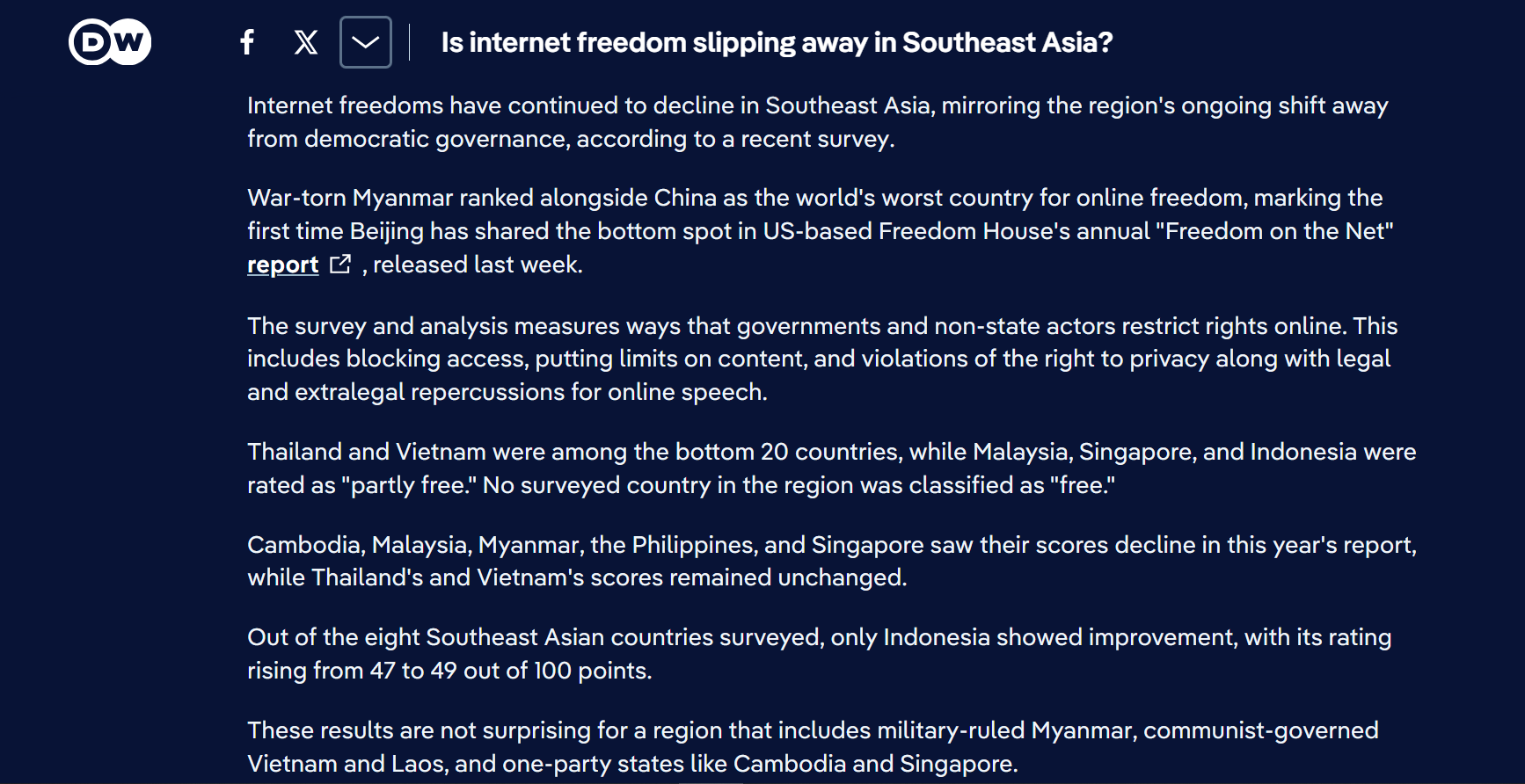
Verdict: False. Moderation reeks of bias, favoring the mighty—a miscalculation that erodes user faith fast.
Claim 5: Real Political Game-Changers?
Believers point to uprisings and reforms as proof social media delivers democracy.
Verification: Partial hits. Pakistan’s 2022 PTI floods on Twitter ousted Imran Khan, per 2025 retrospectives. India’s 2020 farmers’ protests trended globally on Instagram, forcing 2021 law repeals. Sri Lanka’s 2022 Aragalaya movement used Facebook to topple a president, with echoes in 2025 youth votes. But staying power? Nepal’s 2024 TikTok drives faded without policy wins, per Sage Journals.
Pew 2025 data: 38% see media as “somewhat free,” crediting social tools, but 60% note backlash.
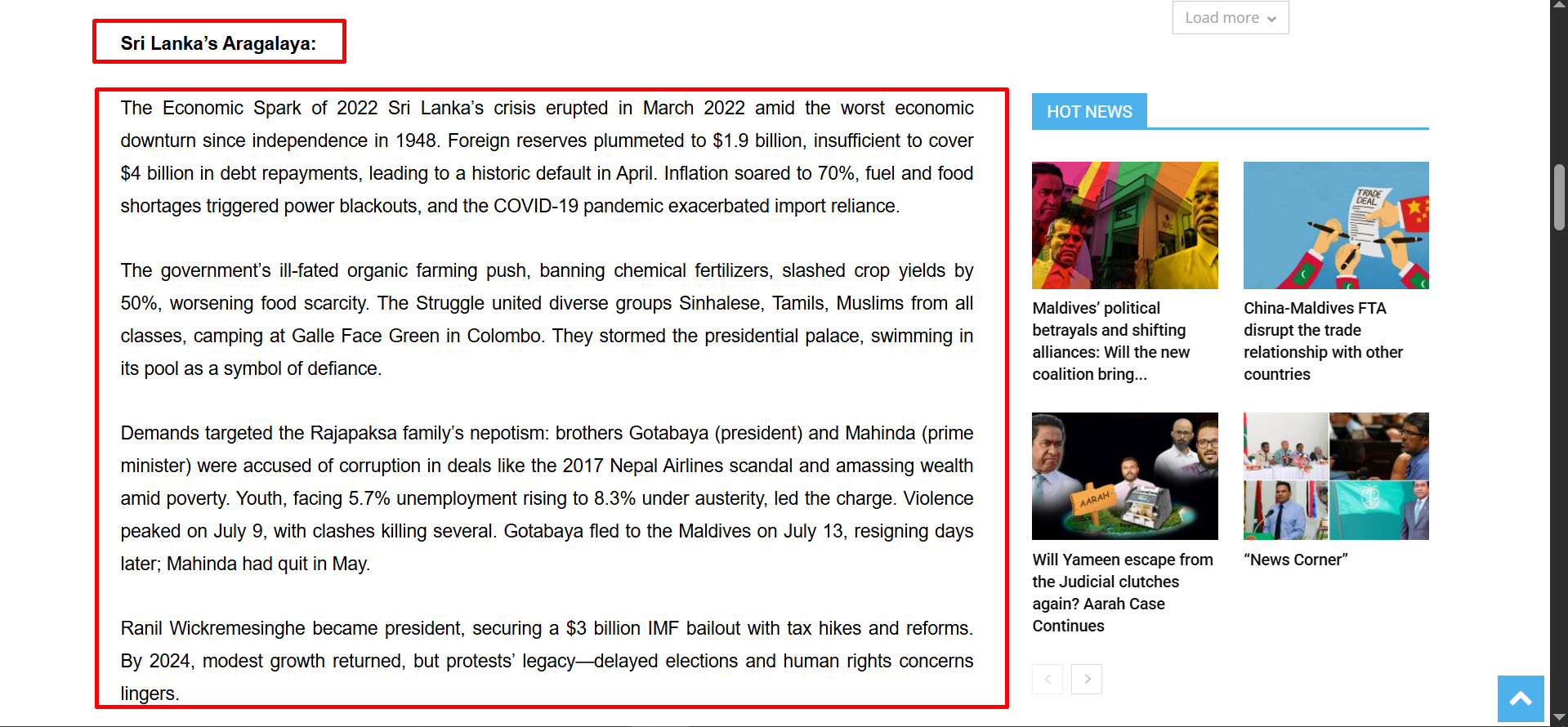
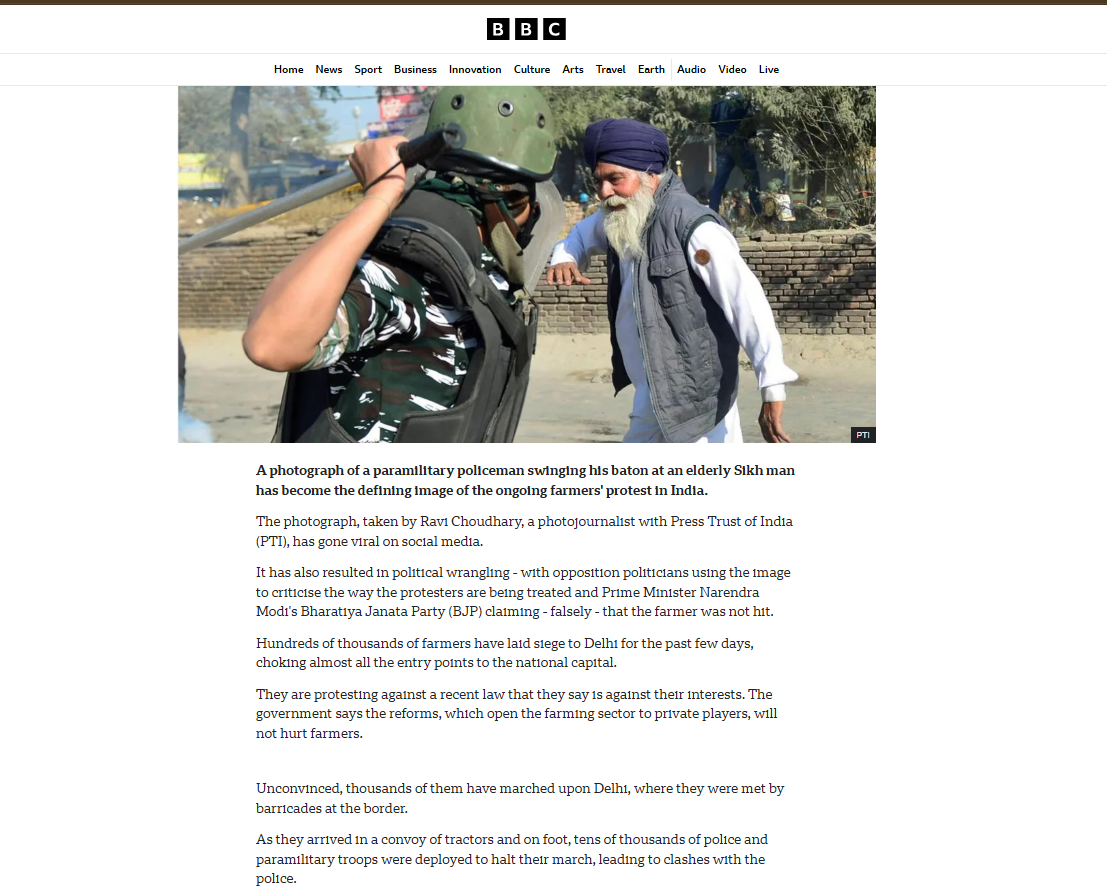
Verdict: Misleading. It ignites change but rarely sustains it, highlighting the gap between viral wins and real reform.
Wider Waves: Beyond the Feed
This digital drama ripples far. Socially, it empowers women—Bangladesh’s #JusticeForAyesha in 2025 exposed abuse—but exposes them to trolls. Youth, 60% of users, drive activism yet face doxxing. Economically, the digital divide—only 50% internet penetration—leaves billions offline, per Council on Foreign Relations. Politically, U.S. policy shifts like Trump’s free-speech push risk exporting chaos, as Nikkei warns.
Angles multiply: Environmentally, misinformation hampers climate talks in flood-hit Pakistan. Globally, South Asia’s woes test Big Tech’s ethics—profits over people? As IFJ’s 2025 report urges, balanced rules could unlock true potential. But with 2025’s rising shutdowns, the jury’s out: Savior or shackle? The region’s future scrolls on.