

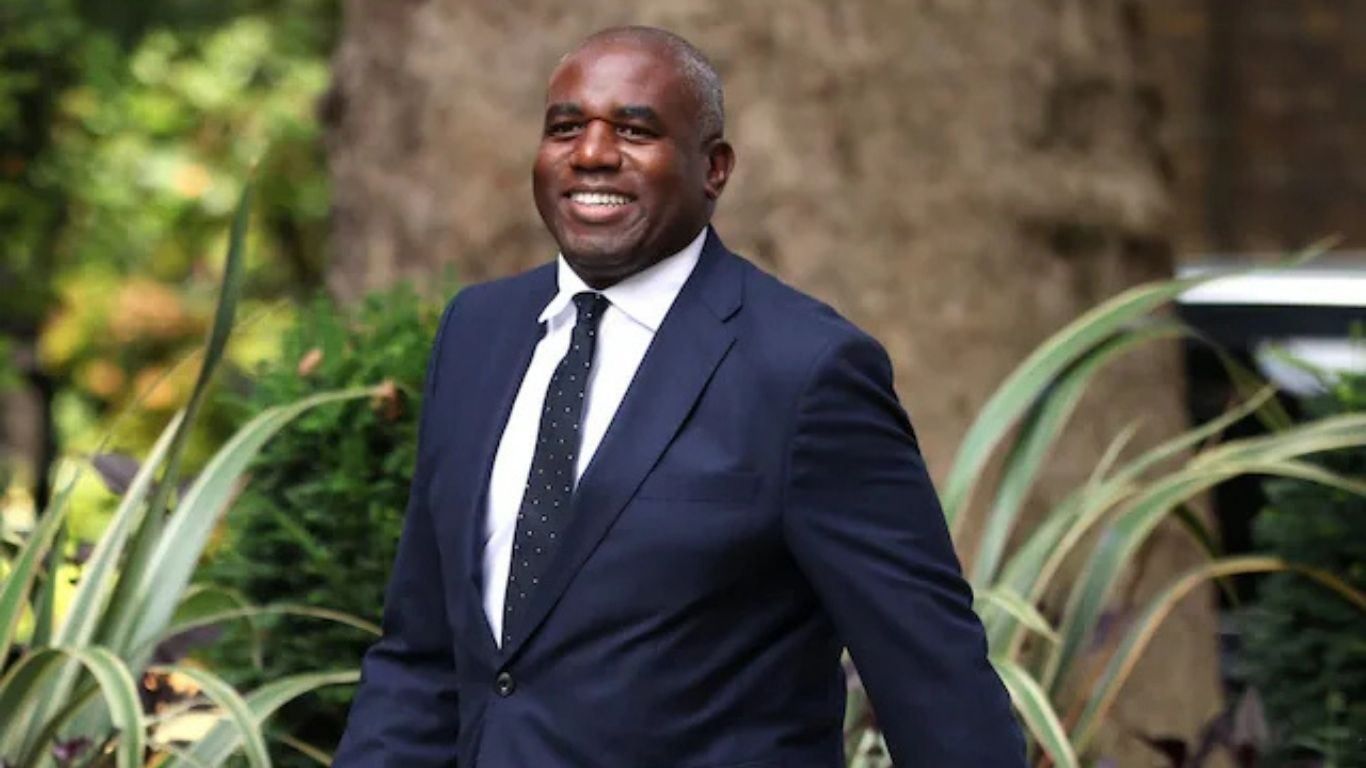
In a bold and dramatic turn of events, David Lammy has been appointed Deputy Prime Minister of the United Kingdom, alongside his new role as Justice Secretary and Lord Chancellor all part of Prime Minister Keir Starmer’s sweeping cabinet reshuffle. This striking reshuffle follows the resignation of Angela Rayner, setting the tone for a transformative reset in Westminster.
A Strategic Power Play Amid Political Turmoil
Angela Rayner’s departure, triggered by an ethics inquiry into her underpayment of stamp duty, sent shockwaves through Starmer’s administration. Her exit left a void in both leadership and representation that demanded swift and commanding action. David Lammy, formerly Foreign Secretary, emerged as a compelling choice to restore momentum bringing both experience and gravitas to the role.
Unveiling Lammy: The Unifying Force
David Lammy, MP for Tottenham since 2000, has built a sterling reputation as a charismatic communicator, dedicated advocate for justice, and unshakeable voice for equality. His promotion reflects not just political necessity, but a clear intent to steer the UK’s challenging justice agenda with vision and integrity.
Adept at navigating high-stakes diplomacy his previous post as Foreign Secretary laid the groundwork for international clout. Now, as Deputy Prime Minister and Justice Secretary, Lammy is positioned to inject renewed dynamism, fairness, and strategic leadership into Number 10’s core team.
A Bold Reshuffle: Justice, Home, Foreign Portfolio Shuffle
Starmer’s cabinet overhaul wasn’t only about filling space it was a calculated realignment of the top offices:
- Lammy acquired the prestigious roles of Deputy Prime Minister, Secretary of State for Justice, and Lord Chancellor.
- Yvette Cooper moved from Home Secretary to Foreign Secretary, underscoring her diplomatic prowess.
- Shabana Mahmood transitioned from Justice Secretary to become the Home Secretary, focused on national security and immigration.
- This seismic shift strategically places strong figures in key national security (Home Office), international relations (Foreign Office), and the justice system (Justice Department), offering a fresh, cohesive direction for Starmer’s government.
Why This Appointment Matters
Lammy’s elevation is not only symbolic it is decisive. It signals:
- A powerful message of accountability and renewal, responding to public concerns over integrity.
- A shift toward effective governance, with a skilled deputy capable of bridging party factions and national constituencies.
- A consolidated team—primarily with talented women in the top three roles, marking a milestone in diverse leadership.
Despite the urgency of the shake-up, critics remain cautious. The reshuffle has triggered a sense of instability and has intensified scrutiny over the government’s direction on immigration, welfare reform, and ethics.
Lammy’s Vision: Fairness, Justice, and Powerful Progress
David Lammy steps into his new roles with unwavering determination. In his first public remarks, he hailed the opportunity as the “honour of my life,” echoing a consistent message: he will strive for a fairer, safer, and better Britain.
As Justice Secretary, Lammy inherits challenges such as backlogs in courts, prison reform, and public trust in the legal system. As Deputy PM, he joins Starmer at the heart of policymaking at a moment when public faith in governance hangs in the balance.
The Road Ahead: A Crucial Moment for Labour
With national polls tilting and Labour’s lead threatened by Reform UK’s surge, Starmer’s government cannot afford missteps. Lammy’s promotion is critical to consolidating unity, competence, and credibility.
Heading into the forthcoming budget and a pivotal period in UK politics, this reshuffle stakes Labour’s renewed boldness, and Lammy personifies its thrust for modern, effective, and principled leadership.




