

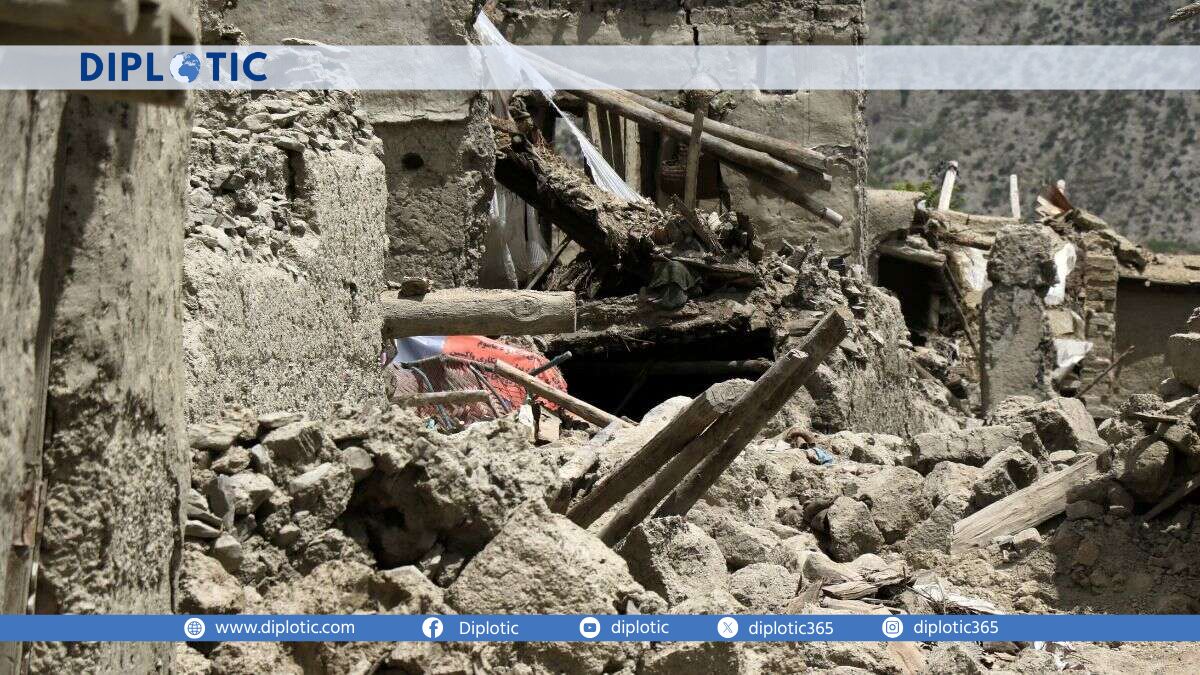
The Devastating Strike: Earthquake’s Toll on a Fragile Land
On August 31, 2025, a powerful 6.0-magnitude earthquake hit eastern Afghanistan. The epicenter sat near Jalalabad in Nangarhar province, close to the Pakistan border. The quake struck at a shallow depth of just 10 kilometers. This made the shaking intense. Homes built from clay and wood collapsed easily. Many people died in their sleep. The Taliban reported over 1,400 deaths. Injuries climbed to at least 3,124. More than 5,400 houses were destroyed. Rescuers faced huge challenges. Landslides blocked roads. Rockfalls cut off remote villages in Kunar and Nangarhar. The first 24 hours were critical. Yet access remained limited. The UN humanitarian coordinator, Indrika Ratwatte, called reaching the area a huge challenge.
Photos and videos from the zone showed men digging through debris. Aid workers handed out supplies to male survivors. Women appeared absent. No images captured them among the injured or receiving help. This absence raised questions. It pointed to deeper issues. In a country where women make up half the population, their invisibility in disaster response seemed odd. Local sources reported a shortage of female doctors in medical centers. This shortage hurt injured women most. Pregnant women died without care. One activist noted several such deaths due to no female medical staff.
Afghanistan’s turbulent history sets the stage for such vulnerabilities. In the late 19th century, Britain and Russia played the Great Game. They shaped Afghanistan’s borders as a buffer state. The 20th century brought more turmoil. The Soviet invasion in 1979 lasted a decade. It killed over a million and displaced millions more. Mujahideen fighters, backed by the US, pushed back the Soviets. But civil war followed. By 1996, the Taliban rose from religious schools. They imposed strict rule until 2001. The US-led invasion toppled them after 9/11. For two decades, a fragile democracy tried to rebuild. Women gained rights to education and work. But corruption and ongoing conflict weakened progress. In 2021, US forces withdrew. The Taliban returned to power. This shift reversed gains. Natural disasters now hit harder in this context. Poor infrastructure lingers from years of war. Many areas lack electricity or roads. The quake exposed these weaknesses. It also highlighted how past conflicts make recovery slow. Compared to earthquakes in Turkey in 2023, where international aid flowed quickly, Afghanistan’s isolation stands out. Sanctions and Taliban rule limit help. The death toll might rise as rescuers reach buried victims. Aid groups like the Red Crescent sent teams. But they had few female doctors. This gap left women untreated. Volunteers, including female medics, wanted to help. Taliban restrictions stopped them. Men in villages rejected outside aid for women. Cultural norms played a role. But Taliban policies enforced them strictly. The quake’s impact went beyond physical damage. It deepened existing divides. In remote mountains, survival depends on quick aid. For women, barriers make it even harder. As days pass, the full human cost emerges. More people remain trapped. The UN warns of ongoing risks. This event recalls the 2023 Herat quake, which killed thousands in the west. Similar issues arose then. Women struggled for care amid restrictions. Now, in the east, the pattern repeats. The ground shook for minutes. But the aftermath will last years. Rebuilding homes is one thing. Addressing systemic neglect is another. The international community watches. Yet action remains cautious. Aid pledges come in. The EU offered 1 million euros and supplies. Tents, clothes, and medical kits fly to Kabul. But distribution faces hurdles. In this fragile land, disasters amplify inequalities. Women bear the brunt.
Barriers of Oppression: Taliban Policies and the Erasure of Women in Crisis
The Taliban regained control in 2021. Since then, they have tightened rules on women. No official law mandates male guardianship. But the Taliban require women to travel with a male relative. Women must cover their faces and bodies. They must even hide their voices outside home. These rules stem from the Taliban’s rigid doctrines, blending conservative Islam with Pashtun customs. During their first rule from 1996 to 2001, women faced total exclusion. No work. No education. Harsh punishments enforced compliance. After 2001, under the US-backed government, women attended schools. They held jobs. Progress seemed real. But the Taliban’s return reversed it all.
In the earthquake zone, these policies create deadly barriers. Male family members keep women hidden from strangers. They refuse help from outsiders. Activist Fatemeh Rezaei spoke to this. She said male relatives do not allow women to be seen. Rezaei lives in Herat but connects with activists nationwide. She noted uncertainty about women’s injuries. No one knows the full extent. Volunteer female doctors tried to reach villages. The Taliban blocked them. Village men rejected their aid too. This leaves women untreated. Hospitals lack female staff. Injured women cannot see male doctors due to rules. Zahra Haghparast, a dentist now in Germany, shared stories. She heard of pregnant women dying without care. Haghparast fled after Taliban threats. She closed her Kabul practice in 2021. Her protests made her a target. She faced arrest and mistreatment.
The Taliban ban girls from secondary education. This cuts off future female doctors. Before 2021, society started changing. Women studied medicine. Now, restrictions shrink the workforce. Even the Afghan Red Crescent has few female medics. In crises, this gap kills. The morality law of 2024 bans women from speaking in public. It demands full veiling. Arrests for dress violations rose in 2025. These rules echo the 1990s. But contradictions appear. Taliban leaders promise moderation. Actions show otherwise. Decentralized control leads to uneven enforcement. Some areas allow limited work. Others crack down hard. This hypocrisy highlights strategic miscalculations. The Taliban seek international recognition. Yet rights abuses isolate them further.
Compare this to Saudi Arabia’s past. There, women faced driving bans until 2018. But reforms came under pressure. In Afghanistan, no such shift occurs. The Taliban double down. Economic woes worsen it. Poverty affects 64% of 41.5 million people. Half rely on aid. Women, barred from jobs, suffer most. In quakes, they stay home. Collapse traps them. Survival depends on male relatives. If men die, women face isolation. Activists like Rezaei and Haghparast fight from afar. They call for permission to help. But denials continue. This pattern risks more deaths. As rubble clears, women’s stories emerge slowly. Some die untreated. Others hide injuries. The Taliban claim to protect women. But policies endanger them. In remote areas, cultural norms align with rules. Change seems distant. Before 2021, NGOs trained female health workers. Now, many flee or hide. The brain drain hurts. Future doctors cannot study. This creates a cycle. Crises like quakes expose it. International reports note intensifying restrictions. Women erase from public life. In 2025, decrees limit movement more. NGOs must fire female staff. Aid delivery suffers. The Taliban ask for world help after the quake. But their rules block it. This contradiction stalls progress. Women pay the price.
Echoes of Neglect: Humanitarian Struggles and Looming Futures
Afghanistan’s humanitarian crisis predates the quake. War and poverty built it. Now, the disaster worsens everything. The UN says 23 million need aid in 2025. Acute hunger hits 14%. Returns from Pakistan add pressure. Millions face deportation. Clinics close from aid cuts. The West reduced funding after 2021. Sanctions target the Taliban. But civilians suffer. The quake highlights this. Villages wiped out. Survivors need food and shelter. Children face a crisis within a crisis. Aid groups call for more funding.
International responses vary. The IFRC launched an appeal for recovery. CARE provides emergency help. But Taliban rules complicate work. Female staff face bans. This mirrors past interventions. In the 1980s, Soviet occupation drew global aid. But it fueled conflict. Post-2001, billions poured in. Corruption wasted much. Now, caution rules. The UN warns of reduced assistance without US funds. Geopolitically, Afghanistan resembles Syria. There, regime isolation limits aid. Rebels control areas. In Afghanistan, the Taliban hold power. Recognition debates linger. Some countries engage quietly. Others withhold. This stalls full response.
For women, the future looks bleak. Bans on education persist. Over 90% of Afghans support girls’ schooling. Yet the Taliban ignore it. This breeds resentment. Protests occur despite risks. Women fight for autonomy. If unchanged, health crises worsen. No new female doctors. In disasters, more die untreated. Economically, exclusion hurts growth. Poverty deepens. The UN pushes for rights restoration. But leverage is low. Aid ties to reforms could help. Past efforts failed. The Taliban calculate survival. They balance hardline support with needs. Missteps could spark unrest. Like in Iran, where veil laws fuel protests. In Afghanistan, similar tensions build.
Rebuilding after the quake offers a chance. But without women, it’s incomplete. Infrastructure needs investment. Roads and hospitals must include all. International partners demand inclusion. The EU’s aid focuses on ground operations. Future quakes loom in this seismic zone. Preparedness saves lives. Yet restrictions hinder it. Training female responders could change that. Activists urge action. “The country needs female doctors,” Haghparast said. Her words echo a broader call. As 2025 unfolds, the crisis evolves. Returns strain resources. Hunger rises. Women remain vulnerable. Neutrality in analysis shows clear hypocrisies. The Taliban seek aid but block it for half the population. This strategic flaw risks collapse. Global watchers note it. Change may come from pressure. Or from within. For now, women wait in silence. The rubble clears. But barriers stand tall.




