

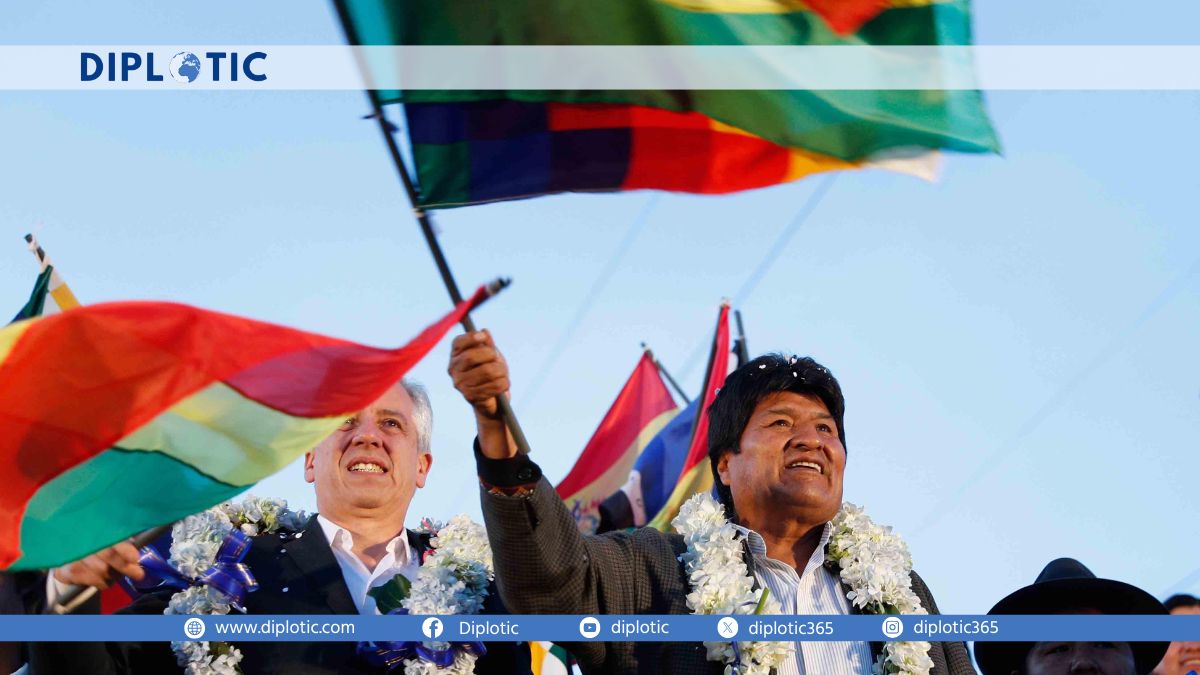
The Collapse of a Socialist Experiment
In Bolivia, a seismic shift is underway as the nation rejects two decades of socialist governance under the Movement for Socialism (MAS), led by Evo Morales until 2019. The first round of the presidential election on August 17, 2025, delivered a stunning rebuke to MAS, with its candidate garnering a mere 3% of the vote, potentially costing the party all its legislative seats. Morales, once a global icon of the left who declared “capitalism is the worst enemy of humanity,” moved Bolivia toward state-controlled economics and aligned its foreign policy with Venezuela, Russia, and China. Initially, his policies brought growth, with GDP per capita rising from $5,124 in 1990 to $9,000 by 2015, per World Bank data. But persistent fuel shortages, 25% inflation, and economic stagnation have eroded public faith, leaving Bolivia the poorest South American nation after Venezuela. The election’s frontrunners—Rodrigo Paz Pereira of the Christian Democratic Party and Jorge Quiroga of the Libre party—promise to dismantle socialism, signaling a potential return to market-driven policies.
The historical context of Bolivia’s socialist era reveals both its allure and its unraveling. Morales’ 2006 ascent capitalized on indigenous empowerment and resource nationalization, particularly natural gas, which fueled early economic gains, as noted in analyses of Latin American populism. Yet, price controls on fuel stifled production, turning Bolivia from a gas powerhouse to a nation plagued by shortages, with voters heckling the MAS candidate for enduring fuel lines. By 2025, Bolivia’s GDP per capita lags Peru’s by over $5,000, a gap widened since 1990. Morales’ exit from MAS and his call to boycott the party fractured the socialist movement, echoing Argentina’s rejection of Peronism in 2023 under Javier Milei. The Bolivian economic decline reflects a broader trend of socialist policies faltering under mismanagement, with Venezuela’s collapse as a stark parallel. Public frustration, epitomized by bread seller Raquel de Quino’s plea for “bread for our children,” underscores the human cost of economic controls that halved loaf sizes over 17 years.
Economically, Bolivia’s state-heavy model has choked growth, with state-owned enterprises like YPFB bleeding funds—$2 billion in losses since 2020, per Bloomberg. Socially, fuel and bread shortages have hit the poorest hardest, with 60% of Bolivians living on less than $4 a day, per 2024 World Bank data. The election’s outcome, with Paz and Quiroga advancing to the October 19 runoff, reflects a yearning for change. Paz, campaigning on “renewal” rather than radical austerity, advocates decentralizing power, closing failing state firms, and removing import barriers. Quiroga, a former president, proposes a “Milei-lite” approach, cutting spending and rooting out socialist remnants, while open to IMF aid—a point of divergence from Paz’s opposition. The Latin American shift toward free markets, as seen in Argentina’s reforms, fuels optimism, with Bolivian bond prices rising 15% in 2025, per Reuters.
A Crossroads of Reform and Risk
The runoff between Paz and Quiroga offers Bolivia a rare chance to redefine its economic path, but the stakes are high. Paz’s vision of “capitalism for all, not just a few” emphasizes regional autonomy, aiming to redirect 50% of public funds to local governments, a move that could empower communities but risks inefficiency without robust oversight. Quiroga’s experience as president from 2001 to 2002 brings continuity, yet his openness to IMF loans—potentially $1.5 billion, per IMF projections—could impose austerity measures that spark unrest, as seen in Ecuador’s 2019 protests. Both candidates face the challenge of stabilizing the boliviano, devalued 20% since 2023, and addressing inflation, which has eroded purchasing power for 80% of Bolivians, per local surveys. The rejection of Samuel Doria Medina, a Milei-esque candidate with a radical austerity agenda, suggests voters seek change without upheaval, a delicate balance.
Historically, Bolivia’s swings between statism and markets, from the 1980s hyperinflation crisis to Morales’ nationalizations, show the perils of policy extremes, as detailed in studies of economic transitions. The socialist era’s failure lies in its contradictions: Morales championed equality but entrenched cronyism, with MAS elites amassing wealth while poverty persisted. The global economic context shows Bolivia’s plight is not unique—Venezuela’s GDP collapsed 65% since 2013 under similar policies—but its pivot could inspire neighbors like Peru, where growth outpaced Bolivia’s. Politically, MAS’s fracture and Morales’ exile in Argentina highlight the risks of populist cults, yet the new candidates must navigate a polarized electorate, with 40% of voters still rural and indigenous, per 2024 census data.
The path forward hinges on execution. Paz’s decentralization could dilute corruption but requires accountability to avoid regional mismanagement, as seen in Brazil’s 1990s federalism struggles. Quiroga’s IMF ties offer capital but risk external influence, a sore point in a nation wary of foreign intervention since its 19th-century resource wars. Economically, dismantling price controls could boost fuel production, but immediate price hikes may inflame protests, as in 2010’s “gasolinazo” riots. Socially, restoring trust demands addressing inequality—70% of Bolivians feel economically worse off than a decade ago, per Gallup. An undivided India’s post-1947 economic reforms, balancing markets and social welfare, offer a model for Bolivia, but internal divisions and global pressures, from China’s commodity demand to IMF strings, complicate the transition.
A Future Beyond Socialism’s Shadow
Bolivia’s election signals a rejection of socialism’s stagnation, but the October 19 runoff will test whether Paz or Quiroga can deliver prosperity without repeating past mistakes. Success requires tackling structural issues: modernizing agriculture, which employs 30% of the workforce, and reviving gas exports, down 50% since 2015. Bond market optimism, with yields dropping 200 basis points in 2025, suggests investor confidence, but sustaining it demands fiscal discipline and transparency, areas where MAS faltered. The South American economic outlook predicts growth if Bolivia aligns with market-friendly neighbors like Chile, yet failure risks a Venezuela-like spiral, with hyperinflation and emigration.
Socially, the scars of shortages and inequality demand inclusive policies. Paz’s promise of equitable capitalism could bridge urban-rural divides, but his family’s political dynasty raises cronyism concerns, as seen in Latin American political dynasties. Quiroga’s track record offers stability but lacks the fresh appeal voters crave. Both must address the 27% unemployment rate among youth, per ILO data, to prevent unrest. Globally, Bolivia’s pivot could shift regional dynamics, reducing reliance on China and Russia, but success hinges on avoiding Argentina’s early Milei-era volatility, where inflation spiked before stabilizing. As Bolivians like Raquel de Quino pray for a future with “bread for our children,” the runoff offers hope—but only if reforms break the cycle of promises unfulfilled, steering Bolivia toward a sustainable, market-driven revival.




