

More than a decade after Russia’s illegal annexation of Crimea in March 2014, the Black Sea peninsula remains at the heart of Europe’s bloodiest conflict since World War II. Once seized in a swift and nearly bloodless operation, Crimea has since become a military fortress, a symbol of Vladimir Putin’s power, and a flashpoint in peace negotiations.
With Ukraine vowing to retake the peninsula and Russia using it as a springboard for its ongoing war, Crimea is more than just disputed territory it is the key to the future of the region.
How Russia Took Crimea in 2014
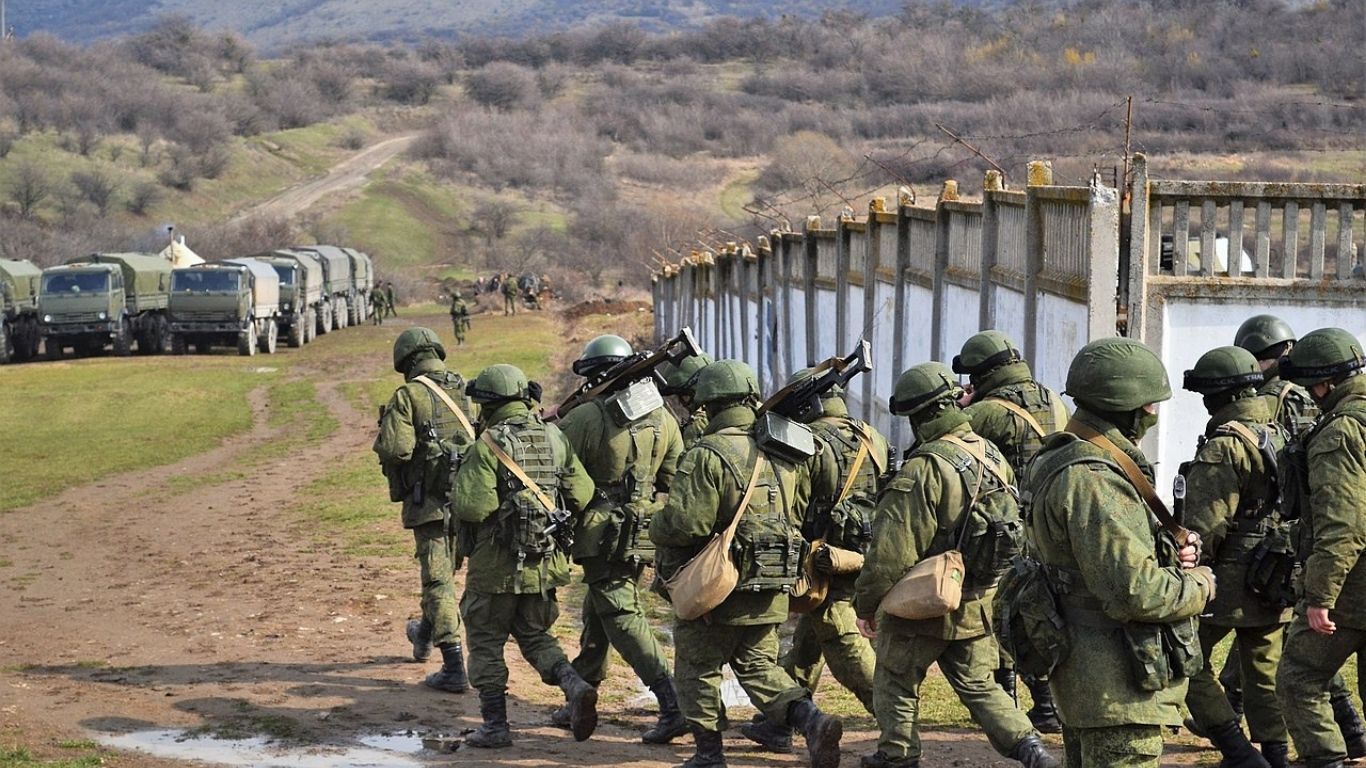
The story begins in 2013–14, when Ukraine was rocked by mass protests that forced pro-Moscow President Viktor Yanukovych from power. Seizing the chaos, Russia deployed masked troops without insignia, swiftly overrunning Crimea.
Putin staged a referendum that declared overwhelming support for joining Russia a vote widely dismissed as illegal and illegitimate by Ukraine and the West. On March 18, 2014, Russia officially annexed Crimea.
The move sparked Western sanctions, global condemnation, and a wave of patriotic fervor inside Russia. “Krym nash!” “Crimea is ours!” became a national rallying cry. Putin’s approval ratings soared, climbing from 65% in January 2014 to 86% by June, according to independent pollster Levada Center.
Only a handful of countries, such as North Korea and Sudan, recognized Russia’s claim. For most of the world, Crimea remained and still remains Ukrainian territory.
Crimea’s Strategic Value
Why does Crimea matter so much? The answer lies in its geography and history.
- The peninsula juts into the Black Sea, making it a natural hub for naval power and trade routes.
- It hosts Sevastopol, home to Russia’s Black Sea Fleet.
- Control over Crimea provides a gateway for influence across the Black Sea region, vital for both military and economic reasons.
For Ukraine, losing Crimea was more than just a territorial setback. It was a blow to national identity and sovereignty. Ukrainian President Volodymyr Zelenskyy has repeatedly vowed that Russia “won’t be able to steal” the peninsula permanently.
Crimea in Russia’s Full-Scale Invasion of Ukraine
When Putin launched his full-scale invasion of Ukraine in February 2022, Crimea was crucial. Troops and weapons already stationed there allowed Russian forces to seize large parts of southern Ukraine quickly.
One of Moscow’s declared war goals was to create a “land corridor” from Russia to Crimea, securing occupied parts of Donetsk, Luhansk, Zaporizhzhia, and Kherson. This corridor was largely established by late 2022.
But as the war dragged on, Ukraine began hitting back. Starting in 2022 and intensifying in 2023–2025, Kyiv carried out drone strikes, missile attacks, and sabotage operations in Crimea. These assaults targeted ammunition depots, airfields, and Russia’s prized Black Sea Fleet, crippling its naval dominance.
Ukraine also struck the Kerch Bridge, the $4 billion link between Russia and Crimea, in October 2022, July 2023, and most recently in June 2025. Each attack dealt both symbolic and logistical blows to Putin.
International Fallout and Sanctions
The annexation of Crimea in 2014 marked the beginning of Russia’s deep freeze with the West. Sanctions imposed then only intensified after the 2022 invasion. Today, Russia faces sweeping restrictions on energy exports, banking, and technology.
Crimea itself has become heavily militarized, with Russian missile batteries, air bases, and naval facilities making it a frontline staging ground. But these assets are now under constant Ukrainian attack, undermining Russia’s sense of security on the peninsula.
Crimea and the Peace Talks
As of 2025, peace efforts remain deadlocked. Putin insists any deal must include Ukraine recognizing Crimea as Russian territory, alongside the four regions annexed in 2022. He also demands that Ukraine abandon NATO ambitions, remain non-nuclear, and limit its armed forces.
Kyiv has flatly rejected these terms. Zelenskyy has repeatedly said Ukraine will not cede “a single meter” of land, including Crimea.
The challenge is stark: Russia currently occupies around 20% of Ukraine, including Crimea. Any ceasefire freezing the frontlines would effectively reward Moscow’s aggression.
Crimea as a Symbol
For Putin, Crimea is more than a military base. He has called it a “sacred place” for Russia, likening its annexation to a historic unification. Dissent has been crushed, with Crimean Tatars the indigenous Muslim community that opposed the takeover facing repression and imprisonment.
Inside Russia, the annexation continues to serve as a pillar of state propaganda, reinforcing the idea that Russia is restoring its former imperial glory.
For Ukraine, Crimea has become a symbol of resistance. It represents not only lost land but also the possibility of ultimate victory. Reclaiming Crimea, Kyiv argues, would mean restoring national dignity and rewriting the balance of power in Europe.
Recent Developments (2025)
- In June 2025, Ukraine launched one of its most significant attacks yet on the Kerch Bridge, again disrupting Russia’s main supply line to Crimea.
- The Black Sea Fleet, once Russia’s pride, has been severely weakened by Ukrainian drone strikes, forcing Moscow to move some ships to safer ports.
- Western allies, including the U.S. and EU, continue to provide military aid, seeing Crimea as a decisive factor in the wider war.
Meanwhile, voices within Russia’s own military establishment criticize Putin for not having taken all of Ukraine back in 2014, when Kyiv’s defenses were weaker.
The Road Ahead
The battle for Crimea is far from over. Whether through military force or diplomatic negotiations, its fate will likely define the outcome of the Russia-Ukraine war.
If Russia holds it, Moscow secures a vital military and trade hub while dealing a heavy blow to Ukrainian sovereignty. If Ukraine manages to reclaim it, the war could tilt dramatically in Kyiv’s favor, reshaping the future of Europe.
What is certain is that Crimea, a peninsula once known for its beaches and tourism, will remain one of the world’s most contested territories for years to come.
Conclusion
Russia’s 2014 annexation of Crimea was not just a land grab it was the opening act in a much larger conflict that exploded in 2022 and still rages today. The peninsula’s strategic importance, cultural symbolism, and role in global security ensure it will remain central to the Russia-Ukraine war.
As peace talks falter and strikes intensify, the world watches closely. The question is no longer whether Crimea matters, but whether its fate will decide the outcome of the entire war.




