

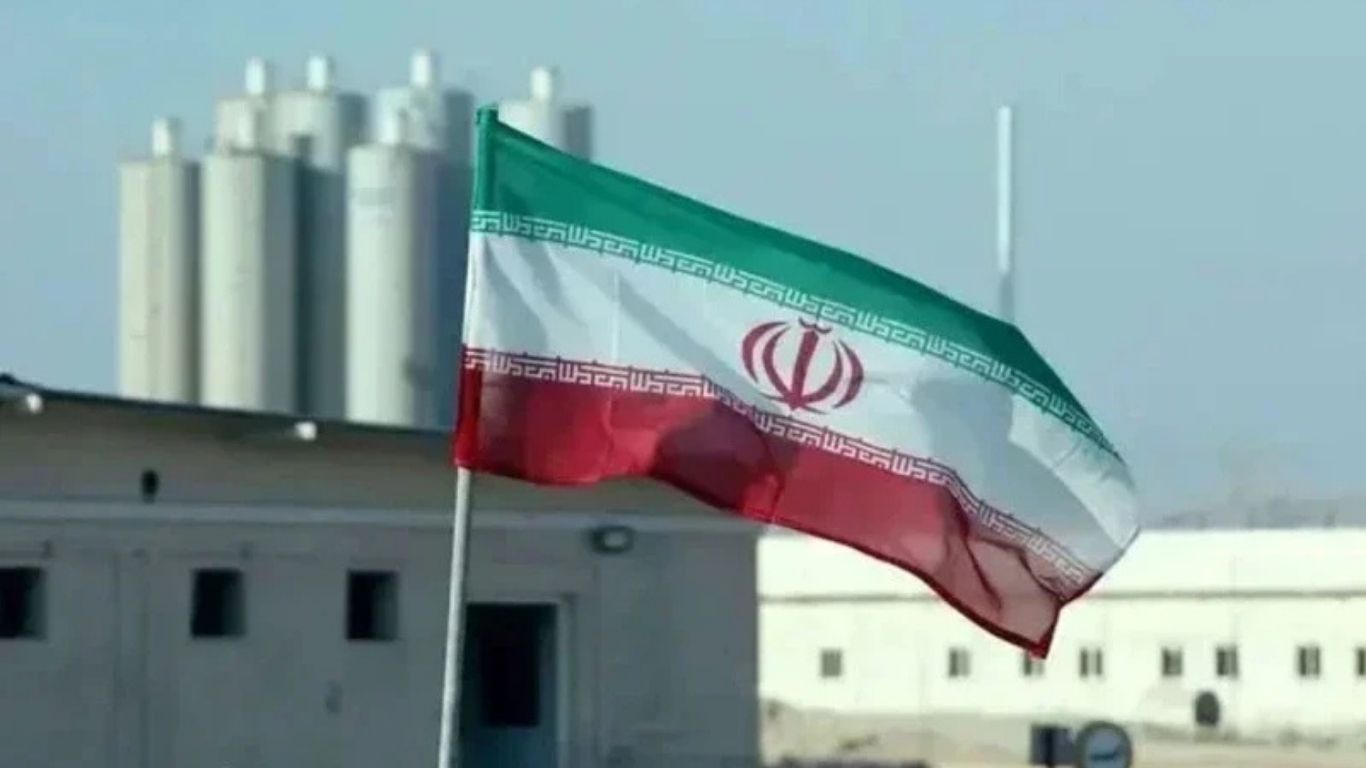
In a dramatic escalation of tensions over Iran’s nuclear ambitions, the United Kingdom, France, and Germany, collectively known as the E3, have formally warned the United Nations that they are ready to reimpose severe sanctions on Tehran if it fails to return to the negotiating table by the end of August 2025.
The move signals a potential collapse of the fragile diplomatic framework surrounding Iran’s nuclear deal, formally known as the Joint Comprehensive Plan of Action (JCPOA).
E3 Threatens to Trigger “Snapback” Mechanism
In a joint letter addressed to UN Secretary-General António Guterres, foreign ministers Jean-Noël Barrot (France), David Lammy (UK), and Johann Wadephul (Germany) expressed frustration over Iran’s lack of response to their extended deadline for talks.
“We have made it clear that if Iran is not willing to reach a diplomatic solution before the end of August 2025, or does not seize the opportunity of an extension, the E3 are prepared to trigger the snapback mechanism,” the letter stated.
The “snapback” provision, embedded in the 2015 nuclear agreement, would automatically reinstate pre-deal UN sanctions if Iran is found to be in breach of its commitments.
The E3 stressed that while diplomacy remains their preferred path, they are committed to using “all diplomatic tools” to prevent Iran from acquiring nuclear weapons something Tehran insists it is not pursuing.
Iran’s Defiant Response
Iran’s reaction has been swift and defiant. Senior lawmaker Manouchehr Mottaki warned that Iran’s parliament is ready to withdraw entirely from the nuclear deal if new sanctions are imposed. Speaking to the Iranian Defa Press news agency, Mottaki suggested that the E3’s stance could push Tehran toward completely abandoning its commitments under the JCPOA.
Last month, Iranian officials reiterated that they are open to further negotiations, but only if existing sanctions are lifted and Iran’s right to maintain a civilian nuclear programme is recognised.
A Fragile Deal on the Brink
The 2015 nuclear deal was hailed as a breakthrough in international diplomacy when it was signed by Iran, the E3, the United States, Russia, and China. In exchange for strict limits on uranium enrichment and intrusive inspections by the International Atomic Energy Agency (IAEA), Iran received relief from crippling international sanctions.
However, the agreement began unraveling in 2018 when then-US President Donald Trump unilaterally withdrew the United States from the deal, calling it “fatally flawed.” Washington reimposed sanctions, and Tehran responded by gradually breaching the agreed limits on its nuclear activities.
The deal is set to expire in October 2025, adding urgency to the current diplomatic standoff.
Iran’s Nuclear Advances and Rising Tensions
According to the IAEA, Iran now holds more than 400 kilograms of uranium enriched to 60% purity far above the 3.67% limit set under the JCPOA and close to the 90% level required for weapons-grade material.
In June 2025, Iran’s parliament suspended cooperation with the IAEA altogether, following a dramatic escalation in hostilities with Israel and the United States. That same month, Israel launched strikes on several Iranian nuclear facilities, triggering a 12-day conflict. In retaliation, the US bombed a number of Iran’s nuclear sites, effectively ending ongoing US-Iran diplomatic talks.
These events prompted the E3 to issue increasingly stern warnings, urging Tehran to return to full compliance with international nuclear safeguards.
Diplomacy vs. Confrontation
The E3 have so far avoided completely severing diplomatic channels with Iran. Last month, preliminary talks between European and Iranian delegations were held in Istanbul, Turkey, but failed to produce a breakthrough.
The European ministers’ letter makes clear that the E3 see the end of August 2025 as the final window for salvaging the deal. Their offer to extend the deadline has, they say, gone unanswered.
The Iranian mission to the UN has yet to respond to the latest warning. The UK Foreign Office also declined to comment when contacted by the BBC.
What Happens if Snapback is Triggered?
If the snapback mechanism is activated, all UN sanctions lifted under the 2015 deal would automatically be reinstated. This could include:
- Arms embargoes on Iran.
- Travel bans on senior Iranian officials.
- Restrictions on financial transactions with Iranian banks.
- Limitations on Iranian oil exports a critical source of revenue.
Such measures could significantly escalate economic pressure on Tehran, already struggling under existing US sanctions.
Global Implications
The renewed tensions come at a time of heightened instability in the Middle East, where conflicts in Gaza, Syria, and Lebanon are already straining diplomatic relations between global powers.
Analysts warn that a breakdown in the nuclear deal could push the region closer to a full-scale confrontation, particularly given Israel’s open threats to take military action if Iran crosses the threshold toward nuclear weapons capability.
Meanwhile, the United States though not directly involved in the current E3-led initiative will play a key role in shaping any future diplomatic or economic pressure on Iran.
The Road Ahead
With just weeks left until the E3’s end-of-August deadline, all eyes are on Tehran’s next move. Will Iran choose to re-engage in talks and salvage the nuclear agreement, or will it defy the West and face a renewed wave of crippling sanctions?
The outcome could define the balance of power in the Middle East for years to come.
For now, the message from London, Paris, and Berlin is clear: the time for stalling is over.




