

The Escalating Tensions at Vandenberg Space Force Base
In August 2025, the California Coastal Commission unanimously rejected a proposal by the U.S. Space Force to increase SpaceX rocket launches at Vandenberg Space Force Base from 50 to 95 annually. This decision marks the latest chapter in a protracted dispute that has seen the commission’s environmental concerns clash with federal imperatives and corporate ambitions. The commission’s objections center on the potential environmental impacts, particularly the effects of sonic booms on local wildlife and communities, and the adequacy of data provided by the military regarding these issues. Despite these concerns, the U.S. Department of the Air Force maintains that the expansion is exempt from state regulation, citing national security considerations and federal authority over military operations. This legal and regulatory tug-of-war underscores the complex interplay between state environmental oversight and federal military prerogatives.
The Coastal Commission’s opposition is not merely procedural but reflects deeper tensions about the nature of the activities at Vandenberg. While the base has historically been a site for military launches, the increasing frequency of commercial missions, particularly those supporting SpaceX’s Starlink satellite network, has blurred the lines between federal and commercial activities. The commission argues that many of these launches serve commercial interests and should be subject to state permitting processes. However, SpaceX and the Space Force assert that these missions are integral to national security and, therefore, fall under federal jurisdiction, exempting them from state oversight. This jurisdictional dispute highlights the challenges in regulating activities that straddle the line between federal and commercial interests.
Legal Battles and Political Dimensions
The conflict has also entered the courtroom, with SpaceX filing lawsuits against the California Coastal Commission, alleging political bias and unlawful overreach. The company contends that the commission’s actions are influenced by anti-Musk sentiment rather than legitimate environmental concerns. A federal judge ruled that SpaceX could proceed with its lawsuit, allowing the company to present evidence of alleged political discrimination. This legal battle adds a layer of complexity to the dispute, intertwining environmental regulation with issues of political freedom and corporate governance. The outcome of this case could have broader implications for how state agencies regulate federal and commercial activities within their jurisdictions.
Politically, the dispute has seen shifting allegiances. California Governor Gavin Newsom previously sided with SpaceX, criticizing the Coastal Commission’s actions as politically motivated. However, as the economic benefits of the space industry become more pronounced, there is a growing political consensus favoring the expansion of commercial space activities. This shift reflects a broader trend where economic considerations increasingly influence environmental and regulatory policies. The evolving political landscape suggests that future decisions may prioritize economic development over environmental protection, potentially altering the regulatory framework governing such disputes.
Environmental and Community Concerns
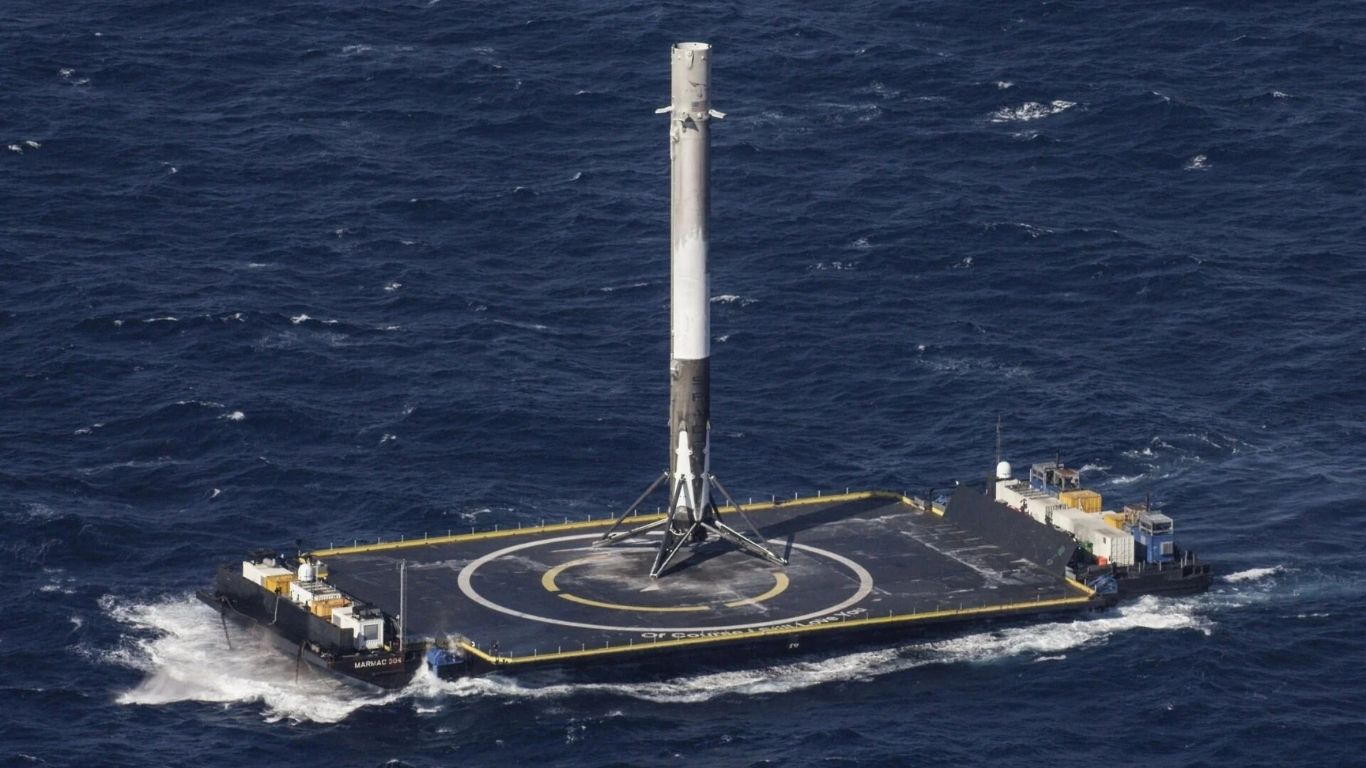
At the heart of the Coastal Commission’s opposition are concerns about the environmental and community impacts of increased rocket launches. The proposed expansion includes not only more frequent launches but also additional rocket landings, which generate sonic booms that have been reported to affect areas over 100 miles away. These disturbances raise questions about the adequacy of current environmental monitoring and mitigation measures. Local residents have expressed concerns about the effects of these sonic booms on their daily lives, including potential damage to property and disruptions to community activities.
Environmental groups have also raised alarms about the potential impacts on local wildlife, particularly marine species sensitive to noise pollution. The commission’s staff report emphasizes the need for comprehensive environmental assessments and monitoring to ensure that the proposed expansion does not lead to irreversible harm to coastal ecosystems. However, the lack of detailed data from the Space Force and SpaceX regarding these potential impacts has fueled skepticism about the adequacy of current mitigation strategies. This situation underscores the challenges in balancing technological advancement and environmental stewardship, particularly when the entities involved are not forthcoming with information.
The Future of Space Launch Regulation
Looking ahead, the resolution of this dispute will likely set important precedents for the regulation of space launches and the delineation of authority between federal and state agencies. The outcome will influence how similar conflicts are handled in the future, particularly as commercial space activities continue to grow. The increasing frequency of private sector involvement in space launches raises questions about the appropriate level of state oversight and the need for updated regulatory frameworks that can effectively address the unique challenges posed by these activities.
The Vandenberg case also highlights the broader issue of environmental justice, as communities near launch sites bear the brunt of the impacts without necessarily reaping the economic benefits. Ensuring that local populations are adequately protected and compensated for any adverse effects will be crucial in maintaining public support for space industry expansions. As space exploration becomes more commercialized, finding a balance between technological progress, environmental protection, and community well-being will be essential for sustainable development in this sector.
In conclusion, the ongoing dispute between the California Coastal Commission and SpaceX over the proposed expansion of rocket launches at Vandenberg Space Force Base encapsulates the complex dynamics at the intersection of federal authority, state environmental regulation, and commercial interests. The resolution of this conflict will have lasting implications for how space activities are regulated and how the interests of various stakeholders are balanced in the pursuit of technological advancement.




