

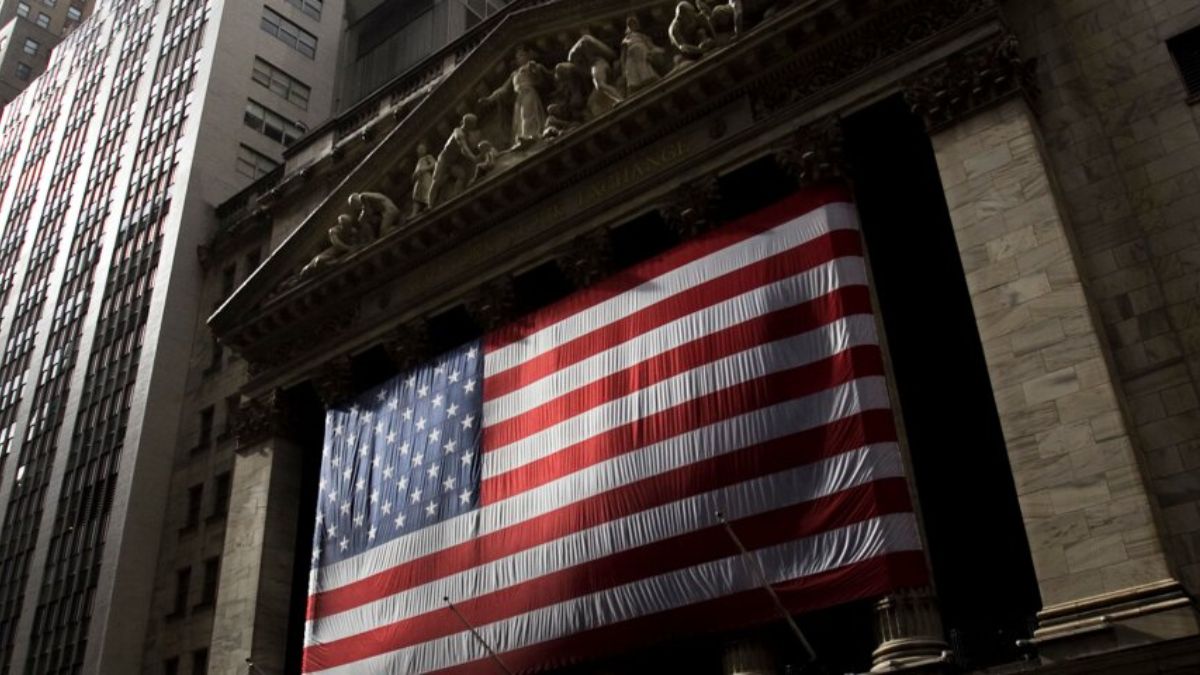
The Tariff Gamble: Economic Strategy or Political Posturing?
In the summer of 2025, the Trump administration’s decision to impose sweeping tariffs on a majority of U.S. trading partners marked a significant escalation in its trade policy. With rates reaching as high as 50% on certain imports, the move was presented as a bold step toward rectifying perceived trade imbalances and revitalizing American manufacturing. However, public reception has been overwhelmingly negative. A recent Pew Research Center survey indicates that 61% of Americans disapprove of these tariff policies, with only 38% in approval. This disapproval spans across party lines, with 89% of Democrats and 68% of Republicans expressing dissatisfaction.
The economic rationale behind these tariffs was to incentivize domestic production and reduce reliance on foreign goods. Yet, the anticipated resurgence in U.S. manufacturing has not materialized. Instead, industries dependent on imported materials have faced increased costs, leading to higher consumer prices and potential job losses. For instance, companies like Ford and Harley-Davidson have reported challenges in their supply chains, attributing them to the new trade barriers.
Public sentiment reflects these economic realities. A majority of Americans foresee the long-term effects of the tariffs as detrimental, both for the country and for their personal finances. Approximately 55% believe the tariffs will have mostly negative effects on the nation, and an equal percentage anticipate negative personal impacts. This widespread concern suggests that the administration’s trade policies may be undermining its economic credibility.
The ‘One Big Beautiful Bill’: A Double-Edged Sword
Concurrently, the Trump administration succeeded in passing the “One Big Beautiful Bill,” a comprehensive tax and budget package that has become a focal point of public discontent. The legislation, which includes significant tax cuts and spending reductions, has been met with skepticism. According to Pew Research Center data, 46% of Americans disapprove of the bill, while only 32% approve.
The bill’s provisions have sparked particular concern among Democrats, with 75% expressing disapproval. The legislation’s impact on social programs, such as Medicaid and food assistance, has been a central point of contention. Critics argue that these cuts disproportionately affect lower-income Americans, exacerbating existing inequalities. In contrast, proponents within the Republican Party contend that the tax cuts will stimulate economic growth and job creation, asserting that the benefits will become evident over time.
Despite these assurances, public opinion remains largely negative. A significant portion of the electorate views the bill’s long-term effects as harmful, raising questions about the administration’s economic stewardship. The partisan divide underscores the contentious nature of fiscal policy in contemporary American politics, highlighting the challenges in achieving consensus on economic reforms.
Political Repercussions: A Shifting Landscape
The combined impact of the tariff policies and the “One Big Beautiful Bill” has not only strained economic confidence but also eroded political support for the Trump administration. Approval ratings have declined across various demographic groups, including key constituencies that were instrumental in the 2024 election. Notably, Hispanic support has dwindled to 27%, a significant drop from previous levels.
This erosion of support is reflected in broader public sentiment. A majority of Americans now express a lack of confidence in the administration’s ability to manage economic policy effectively. Approximately 55% of the public is not confident in President Trump’s economic decision-making, a sentiment that transcends party affiliations.
The implications of these developments extend beyond immediate policy outcomes. The administration’s economic strategies have become a focal point in the lead-up to the 2026 midterm elections. Both Republican and Democratic strategists are analyzing the potential electoral consequences of the tariff policies and the tax legislation, with Democrats aiming to capitalize on public dissatisfaction and Republicans seeking to defend their legislative achievements.
Conclusion: Navigating Economic Turbulence
The Trump administration’s ambitious economic policies, characterized by aggressive tariffs and sweeping tax reforms, have encountered significant public resistance. While the administration’s objectives were to bolster domestic industries and reduce the national deficit, the execution of these policies has led to unintended economic consequences and diminished public trust.
As the nation approaches the 2026 midterm elections, the political ramifications of these economic strategies will continue to unfold. The electorate’s response to the administration’s economic agenda will likely play a pivotal role in shaping the future direction of U.S. economic policy and political alignment.
In this complex landscape, the interplay between economic policy and public perception underscores the challenges of governance in an era of heightened political polarization and economic uncertainty. The outcomes of these policies will not only influence the administration’s legacy but also set the stage for future debates on the role of government in shaping economic destiny.




