

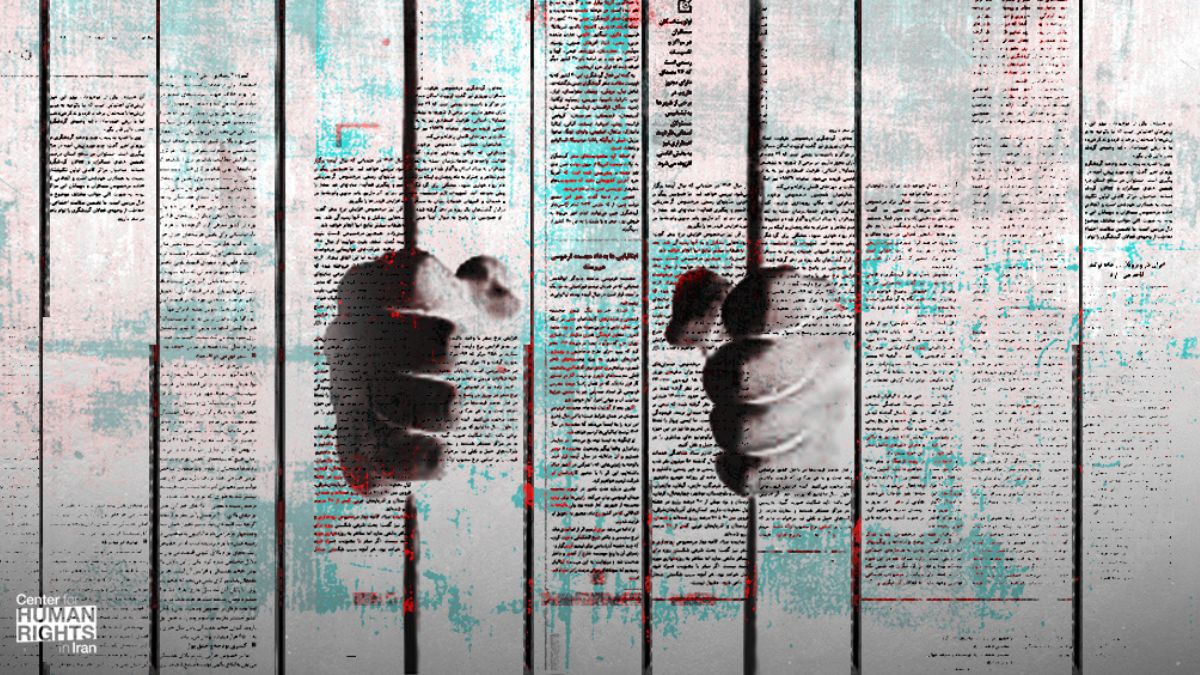
A Day to Celebrate and Reflect
Since 1976, International Left-Handers Day has highlighted the quirks and struggles of the estimated 10% of the global population—roughly 800 million people—who are left-handed. Founded by Dean R. Campbell, the day raises awareness about everyday hurdles, from right-handed tools like can openers to societal biases rooted in history. It also celebrates the unique traits of left-handers, often linked to creativity and resilience, as seen in icons like Leonardo da Vinci and Lady Gaga.
“Left-handers don’t just write differently—they see the world differently,” a neuroscientist posted on X.
A History of Stigma
Left-handedness has long carried negative connotations. In medieval Europe, left-handers were sometimes accused of witchcraft, with some burned at the stake for supposed ties to the “left-hand path” of black magic, per a historical review. Religious texts didn’t help: Christianity often emphasizes the “right hand of God,” while the left is associated with evil. The Latin word “sinister,” meaning left, became synonymous with malice. Similarly, the French “gauche” implies clumsiness, and Polish, Dutch, and Hungarian phrases like “having two left hands” equate left-handedness with awkwardness.
These biases had real consequences. A 2007 study in Taiwan found 59.3% of naturally left-handed children were forced to use their right hand, sometimes with their left tied behind their back, a practice also common in the U.S. and Russia into the 20th century. Such coercion, detailed in a psychological analysis, often led to stress and reduced dexterity.
Cultural Taboos Persist
In 2025, cultural biases linger in parts of the world. In regions like India, Pakistan, Nepal, and the Middle East, the left hand is considered unclean, used for hygiene tasks while the right is reserved for eating or handling objects, per a cultural study. Islamic hygiene customs reinforce this, making left-handed gestures impolite in social settings. These norms create daily challenges for left-handers, from dining etiquette to workplace interactions.
“In some cultures, being left-handed feels like a quiet rebellion against tradition,” a left-handed traveler shared online.
Practical Struggles in a Right-Handed World
Everyday tools pose obstacles. Left-handers smudge ink when writing with traditional pens, a problem dating back to dip pens before fountain pens were common. Right-handed scissors, guitars, and computer mice are less intuitive, slowing tasks or requiring costly specialized versions. A 2024 ergonomics report estimates left-handers spend 15% more time on manual tasks due to design mismatches.
Schools have historically been tough. Forced right-hand writing, banned in most Western countries by the 1990s, persists in some regions, affecting motor skills and confidence. Left-handed notebooks and desks are rare, adding to the frustration.
Biological and Health Insights
Left-handedness is more common in men, with a 2008 meta-analysis of 144 studies showing 23% more males are left-handed than females. The reasons tie to genetics and brain structure. A 2021 brain scan study found 20% of left-handers have stronger right-brain activity in movement areas, compared to 5% of right-handers, per Nature. The right brain, linked to creativity and spatial skills, may explain why left-handers like Jimi Hendrix and Kurt Cobain excelled in arts.
Health data raises concerns. A 1982 study by Norman Geschwind linked left-handedness to higher rates of migraines (twice as likely) and immune disorders, like allergies, due to prenatal testosterone exposure affecting brain wiring. While controversial, these findings shape ongoing research into neurological differences.
The Creative Edge
Left-handers are often celebrated for creativity. The right brain’s dominance in spatial and artistic tasks may give them an edge. Historical figures like Michelangelo and modern stars like Oprah Winfrey, Hugh Jackman, and Matt Groening (creator of The Simpsons, where Bart is left-handed) highlight this. A 2023 psychology study found left-handers score 10% higher on divergent thinking tests, fueling innovation.
Left-Handed Animals?
Nature offers surprises. While most animals show no hand preference, kangaroos favor their left paw for daily tasks like grooming, but use the right for strength-based actions, per a 2015 study. This mirrors human handedness patterns, hinting at evolutionary roots. Posts on X call kangaroos “nature’s lefties,” sparking curiosity about other species.
Looking Ahead: Acceptance and Adaptation
International Left-Handers Day pushes for change. Advocacy groups like the Left-Handers Club promote inclusive designs, like ambidextrous tools, now a $500 million market. Schools are adopting left-friendly desks, and apps like LeftWrite help kids master writing without smudging. Yet, challenges remain in cultures where left-handedness carries stigma or in tech, where AI interfaces often assume right-handed inputs.
The day reminds us that left-handers, while a minority, shape our world in big ways. Their story is one of overcoming bias, adapting to challenges, and turning differences into strengths. As one leftie tweeted, “We’re not just in our right minds—we’re rewriting the rules.”




