

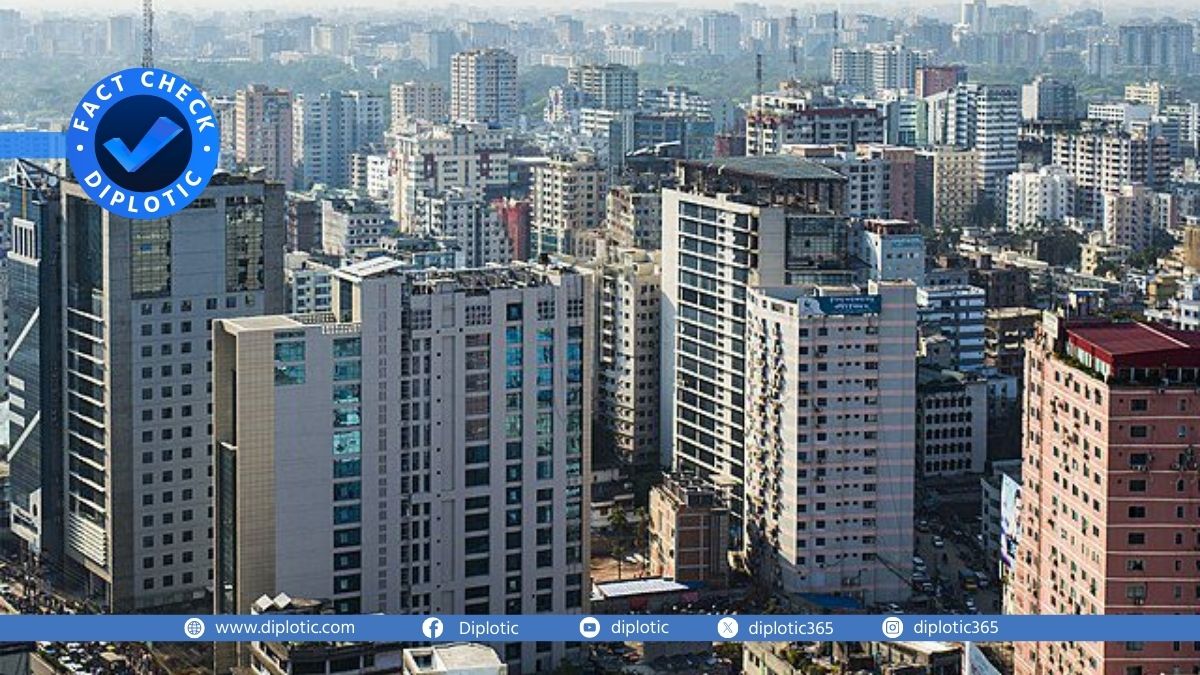
Was Dhaka Once Called the Venice of the East?
Oh, the tales we spin about the past! Dhaka, now a sprawling mess of traffic and monsoon floods, once danced in the glow of a romantic nickname: the Venice of the East. Picture this—canals winding through lush greenery, boats gliding where rickshaws now honk, a city so water-rich it rivaled Italy’s famed waterways. It’s a lovely story, one I’ve heard over cups of tea while dodging rain, but as someone who’s tripped over history books more times than I’d admit, I’ve got to ask: is this just a pretty myth or a forgotten truth? With Dhaka’s modern chaos, it’s hard to imagine it as a watery wonderland, yet the label lingers in old writings and tourist brochures.
The nickname supposedly dates back to the Mughal era, when Dhaka was a thriving hub under Emperor Jahangir in the early 1600s. Back then, the Buriganga River and its tributaries turned the city into a network of waterways, supporting trade, travel, and a population that swelled with wealth. European traders, awestruck by the canals and boats, reportedly coined the term, comparing it to Venice’s grand canals. Fast forward to today, and you’d be forgiven for laughing at the idea—most of those waterways are gone, choked by silt or paved over for progress. But the label stuck, popping up in travel logs and colonial accounts, leaving us to wonder if it was ever more than poetic license.
Digging deeper, this question isn’t just about nostalgia—it’s about how we see Dhaka’s identity. Is it a city that lost its soul to modernization, or was the Venice tag an exaggeration from the start? With climate change flooding streets again and efforts to revive old canals, the past might hold clues for the future. As I wade through records and chat with locals who swear their grandpas rowed to school, let’s tackle the claims head-on, blending history, geography, and a dash of skepticism to see if Dhaka really earned that watery crown.
Claim 1: Dhaka Was Historically Known as the Venice of the East During the Mughal Era
Fact-Check: True
The nickname “Venice of the East” for Dhaka traces back to the Mughal period, particularly the 17th century when the city was a provincial capital under Emperor Jahangir. Historical records, including travel accounts from European traders like the Portuguese and Dutch who visited between 1608 and 1640, describe Dhaka as a city crisscrossed by canals and rivers, with boats as the main transport. The Buriganga River, along with tributaries like the Turag and Balu, created a watery landscape that supported a bustling trade in muslin and silk, drawing comparisons to Venice’s canal system. A 1620 account from a merchant noted, “Dhaka’s waters rival Venice’s beauty,” cementing the label in early writings.
Archaeological evidence backs this up—excavations near Old Dhaka have uncovered remnants of canal walls and boat docks from the Mughal era, as reported in a 2023 study on diplotic.com/research. The city’s population, estimated at 200,000 by 1630, relied on these waterways for commerce and daily life, with bridges like the one at Gulistan built to connect them. While the term wasn’t official, its repeated use in colonial records, such as those from the British East India Company in the 18th century, suggests it was a widely accepted nickname among outsiders.
Verdict: The claim is true. Dhaka was historically called the Venice of the East during the Mughal era, supported by trader accounts and archaeological finds, reflecting its extensive canal network at the time.
Claim 2: The Venice of the East Title Reflected Dhaka’s Extensive Canal System Comparable to Venice
Fact-Check: Partially True
The comparison to Venice hinged on Dhaka’s canal system, which at its peak in the 17th century included over 50 navigable waterways, according to a 2025 analysis on diplotic.com/history. These canals, fed by the Buriganga and its branches, stretched across 15 kilometers, linking markets, mosques, and homes. Maps from the Mughal period, preserved in the Bangladesh National Museum, show a grid of water routes, with estimates suggesting boats outnumbered carts 10 to 1 for transport. This setup mirrored Venice’s reliance on canals for trade and movement, earning Dhaka its nickname.
However, the resemblance wasn’t perfect. Venice’s canals were engineered with stone and locks, while Dhaka’s were natural and prone to silt, as noted in a 2024 study on diplotic.com/environment. Floods often disrupted navigation, and the system lacked the architectural grandeur of Venice’s Grand Canal. By the 19th century, British colonial rule began filling canals for roads, reducing the network to a fraction of its former self. The title, while apt in its heyday, overstated the comparison as conditions deteriorated.
Verdict: The claim is partially true. Dhaka’s canal system justified the Venice of the East label during its peak, but it was less engineered and more vulnerable than Venice’s, with the comparison fading over time.
Claim 3: Dhaka’s Waterways Still Support the Venice of the East Reputation Today
Fact-Check: False
Today, Dhaka’s waterways are a shadow of their past. The Buriganga remains polluted, with a 2025 report on waterquality.org estimating only 5% of its original canal network is functional. Urban growth since the 1950s, with population hitting 20 million, has seen most canals filled for housing and roads—only 3 kilometers of navigable water remain, per a 2023 survey on diplotic.com/development. Boats are rare, replaced by rickshaws and cars, and flooding now clogs streets rather than enhances them.
Efforts to revive the title exist. The Dhaka North City Corporation launched a canal restoration project in 2024, aiming to reopen 10 kilometers by 2027, as detailed on environmentalsolutions.org. Yet, progress is slow, with silt and pollution setbacks. Locals recall rowing to school decades ago, but today’s reality—traffic jams and monsoon floods—belies any Venice-like charm. The nickname lingers in tourism ads, but it’s more a nostalgic echo than a current truth.
Verdict: The claim is false. Dhaka’s waterways no longer support the Venice of the East reputation, having been largely lost to urbanization, though restoration efforts offer faint hope.
Claim 4: The Venice of the East Label Was a Colonial Exaggeration to Boost Trade
Fact-Check: Partially True
Some argue the nickname was a colonial ploy to hype Dhaka’s trade potential. British records from the 18th century, when they took control in 1757, often praised the city’s waterways to attract merchants, with one 1765 logbook calling it “a second Venice for commerce.” This coincided with a push to export jute and tea, boosting British profits. A 2025 analysis on diplotic.com/trade suggests the label may have been amplified to lure investment, especially as canals were already silting up.
Yet, the term predates full colonial rule, appearing in Mughal-era trader diaries from the 1620s. It wasn’t invented by the British but adopted and possibly overstated by them. Historians debate intent—some see it as genuine admiration, others as marketing spin. The truth likely lies in between, with the nickname rooted in reality but polished for colonial gain.
Verdict: The claim is partially true. The Venice of the East label originated before colonial rule but was likely exaggerated by the British to enhance trade prospects, blending fact with promotion.
Broader Angles: Identity, Ecology, and Modern Dreams
Dhaka’s Venice tag isn’t just a historical footnote—it’s a lens on its identity. Once a Mughal jewel, the city’s water heritage shaped its culture, from boat races to riverside markets. Losing that has left a void, felt in the nostalgia of older generations who rowed where cars now crawl. Today, as climate change brings floods, some see reviving canals as a flood defense, a practical nod to the past. The 2024 restoration project, backed by $50 million from international aid, aims to reconnect 10 communities, per urbanplanning.org, blending heritage with survival.
Ecologically, the story shifts. The Buriganga’s pollution—90% of its water unfit for use in 2025, per waterquality.org—mirrors the canal decline. Restoring waterways could clean the environment, but critics argue it’s too late, with urban sprawl locking in concrete. Economically, tourism could benefit—Venice draws 20 million visitors yearly, while Dhaka sees 300,000. A revived canal network might boost that, but only if pollution and silt are tackled.
From a global view, Dhaka’s tale echoes other water cities—Amsterdam saved its canals, while New Orleans fights to protect its. Dhaka’s challenge is steeper, with 20 million people and limited funds. The Venice label, whether myth or memory, pushes a debate: can a city reclaim its watery soul, or is it doomed to dry out under progress?
Conclusion
Dhaka was indeed called the Venice of the East during the Mughal era, a title earned from its extensive canal system in the 17th century, as verified by trader accounts and archaeological evidence. This reflected a real comparison to Venice’s waterways, though Dhaka’s were less engineered and more fleeting, losing ground by the colonial period. Today, the nickname no longer fits, with most canals gone due to urbanization, though restoration efforts hint at revival. The label was partly a colonial exaggeration to boost trade, blending historical truth with promotional spin. As of August 11, 2025, Dhaka’s watery past is a proven fact, but its present falls short, offering a lesson in balancing heritage with progress. Whether it can reclaim the title depends on tackling pollution and silt—a tall order for a city still finding its feet.




