

Written by Sajjad Hossain Adib, a student of University of Science and Technology, Chattogram (USTC)
Noise Pollution and Headphone Use
Whether we stay at home or remain outside, we can hear different kinds of sound and noise. Those background noises may become so overwhelming that they miscarriage them from recognizing voices or alerts. Now a days people are using headphones in personal and professional settings because they give a good listening experience. As noise pollution is rising rapidly, many technologies are invented by people to reduce its impact. Noise-Cancelling headphones are making it true.
How Noise-Cancelling Technology Works
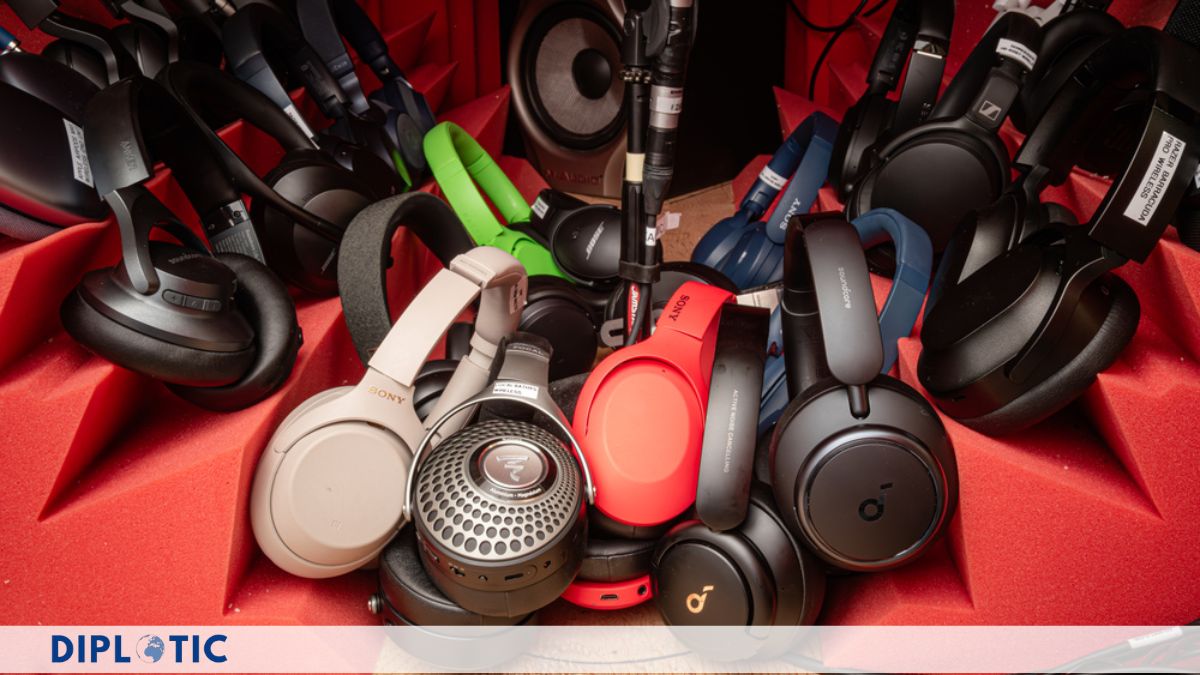
Noise can be controlled by headphones in many ways. Just like people are using earmuffs in very loud environments. As headphones made by sound absorbing materials like foam, it can cancel out some noise. Just a lot of stuff between your ears and the noises around you and no battery required. In 1989, a newer technology which became commercially available, can cancel out noise actively through the use of a microphone. It blocks the outside sound from hearing. But more recent models of noise cancelling headphones or earbuds can dissolve in immanent noise to give you some transparency on the go and they can adapt to the noise of environment and adjust the degree of noise cancellation to save battery.
Cognitive Challenges from Noise Overload
Being live in the countryside, Sophie started university in London in a few yearsbago. She observed a chandmge in her hearing. Besides, she is in trouble mark out from where a sound was coming. As a result, she occasionally attended her university lectures in person, rather she watch them online and with subtitles. When people asked her about it she said, “All the words sounded like meaningless when I was in the actual lecture and I was trying to hear”. Her social life was affected by it. Sophoe often leaves bar and restaurants early because of the “overwhelming noise”. And all this are happening to her has some connection with headphones.
Auditory Processing Risks
The vice-president of the British Academy of Audiology indicates that by blocking sounds like cars beeping, there is a possibility the brain can ‘forget’ to filter out the noise. She alse said, “People have almost made thus false environment by wearing those headphones of only listening to what people want to listen to. People are not having to wort at it”. According to Benton, people develop their high-level listening skills in their late teans. So, if they have only been wearing noise-cancelling headphones then they are delaying their ability to process speech and noise. Again according to the Audiologists the disorder is called APD. It is also commonly called CAPD. People with CAPD can hear fine but when Audiologists examine their hearing, everything looks fine. But people with CAPD have difficulty understanding words in challenging environment especially where there is noise or reverb or spoken quickly. As a result, children may face difficulty learning nursery rhymes or languages.
Recommendations for Safe Use
Now, we know that the potential risks of using noise-cancelling headphones. Then how canwe use it? At first, we should reduce the volume levels bbelow 60% with view to preventing hearing loss. We should also clean the ear and cups of noise-cancelling headphones to maintain both hygiene and performance. Modern headphones should be used to avoid psychological dependence. Finally, regular health checkups should be done to detect early signs of hearing loss.
Conclusion
Noise-cancelling headphones are necessary to reduce hearing loss in loud environment. But it should be used whenever it is needed. If we overuse it, it will harm us definately.




