

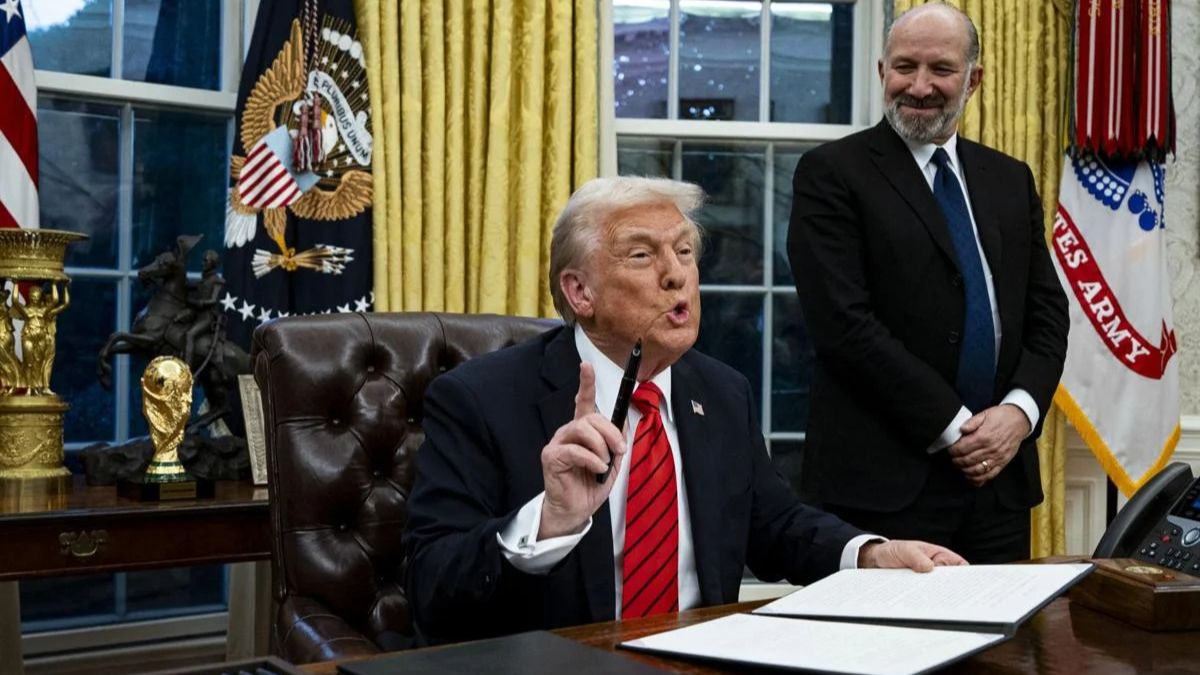
In an election-year power play, President Donald Trump is set to sign an executive order aimed at cracking down on so-called “debanking”—a financial practice long weaponized by both regulators and corporations, now repackaged as a civil liberties crisis for conservatives and crypto crusaders. But beneath the red-meat rhetoric, the order may reveal more about Trump’s own grievances—and Wall Street’s quiet desperation for regulatory relief—than any genuine ideological shift.
What’s in the Executive Order?
According to senior White House officials, the order—expected to be signed Thursday—will:
- Bar federal banking regulators from citing “reputational risk” as a justification for pressuring banks to cut ties with controversial clients.
- Mandate a review of existing or past regulatory practices that “encouraged politicized or unlawful debanking.”
- Open an administrative complaint process for consumers and organizations who believe they’ve been debanked for political or religious reasons.
But as always with Trumpian policy, the devil is in the subtext.
What Is “Debanking” — And Who’s Really Affected?
The term “debanking” has historically referred to the denial of financial services to individuals or businesses due to risk, noncompliance, or ambiguous affiliations. For years, immigrant communities, sex workers, cannabis dispensaries, payday lenders, and Muslims flagged on government watchlists were routinely debanked without public outcry.
But now, the same practice—when applied to right-wing influencers, conservative Christian charities, or crypto startups—is being rebranded as ideological persecution.
“Debanking has always existed,” says financial historian Dr. Lena Patel. “What’s new is that the victims now have microphones, media networks, and a president ready to wield the state in their defense.”
Trump’s Personal Grudge Match with Wall Street
The backdrop to this policy push is deeply personal.
Earlier this week, Trump alleged that JPMorgan Chase and Bank of America “discriminated against” him following his 2020 election loss. “They were very bad to me,” Trump said in a CNBC interview. “And I was very good to the banks.”
While JPMorgan denied political bias, it welcomed regulatory reform, perhaps sensing an opportunity to loosen federal oversight under a sympathetic administration. Bank of America CEO Brian Moynihan also applauded Trump’s move, calling it “the right issue.”
Let’s be clear: this isn’t just about protecting small-town pastors or crypto bros. It’s about reasserting executive power over banking regulators, while simultaneously delivering a win to the president’s donor base—and avenging perceived slights.
Crypto: The Quiet Winner
While the order is dressed in the language of free speech and religious liberty, the crypto lobby may be its biggest beneficiary.
For years, banks have steered clear of blockchain startups, fearing regulatory backlash tied to fraud, terrorism financing, and volatility. These decisions were often informed by “reputational risk” assessments—the exact phrase Trump’s order seeks to eliminate.
Industry groups like the Blockchain Association and conservative donors with crypto interests (think Peter Thiel or the Winklevoss twins) have been lobbying for regulatory clarity. This executive order gives them that—if only symbolically.
“This is deregulatory theater, but we’ll take it,” said a prominent crypto executive on condition of anonymity. “Reputational risk has become code for ‘we don’t trust you.’ This changes that.”
So Is This Legal? Can It Be Reversed?
Yes—and yes.
Presidents have wide discretion over executive orders, especially those involving regulatory guidance rather than statutory law. However, the Office of the Comptroller of the Currency (OCC), Federal Reserve, and FDIC—all technically independent—may resist implementing the order fully.
Moreover, any subsequent administration can rescind or amend the order, making its long-term impact uncertain.
What Critics Say
Civil liberties groups are calling the order hypocritical and selective.
“Where was Trump when Muslim charities were debanked? Where was he when activists had PayPal and GoFundMe accounts frozen?” asked ACLU policy analyst Sarah Nouri. “This isn’t about principle. It’s about politics.”
Others warn that removing “reputational risk” as a consideration could expose banks to money laundering, terrorism financing, or reputational collapse.
“Risk is risk,” said a former FDIC attorney. “You can’t regulate away reality just because your donors don’t like it.”
Regulatory Reality Check: Will Banks Change Anything?
Probably not right away.
Bank insiders admit they feel squeezed—not by politics, but by the maze of compliance rules. They’re less concerned about debanking MAGA influencers than they are about getting hit with fines for unknowingly servicing a sketchy crypto wallet.
One compliance officer at a major U.S. bank told Diplotic:
“We’re not out here deplatforming conservatives. But yes, we’ve shut accounts linked to fraud, shell companies, or bad press. If this order helps reduce arbitrary regulator pressure, we’ll adjust our filters. But not at the cost of jail time.”
Weaponizing the Financial System?
Critics fear this move is part of a broader Trump effort to politicize independent institutions—from the Justice Department to the Federal Reserve to now, bank regulation.
Combined with Trump’s push to fire the Librarian of Congress, his attempt to edit online versions of the Constitution, and efforts to install loyalists across government, the executive order fits a larger pattern: centralize power, punish enemies, and rewrite the rulebook.
“It’s not deregulation—it’s retribution dressed up as reform,” says financial watchdog Jamie Lerner. “And we’ve seen where that road leads.”
Bottom Line: Smoke, Fire, or Both?
Trump’s executive order on debanking is equal parts grievance politics, regulatory rollback, and crypto lobbying win. It offers little legal muscle, but lots of political momentum.
It won’t stop banks from closing accounts. But it will put federal regulators on the defensive—and hand the Trump campaign another headline to hammer home the narrative of conservative persecution.
So yes, this is about fairness in banking. But it’s also about power, perception, and the politics of revenge.




