

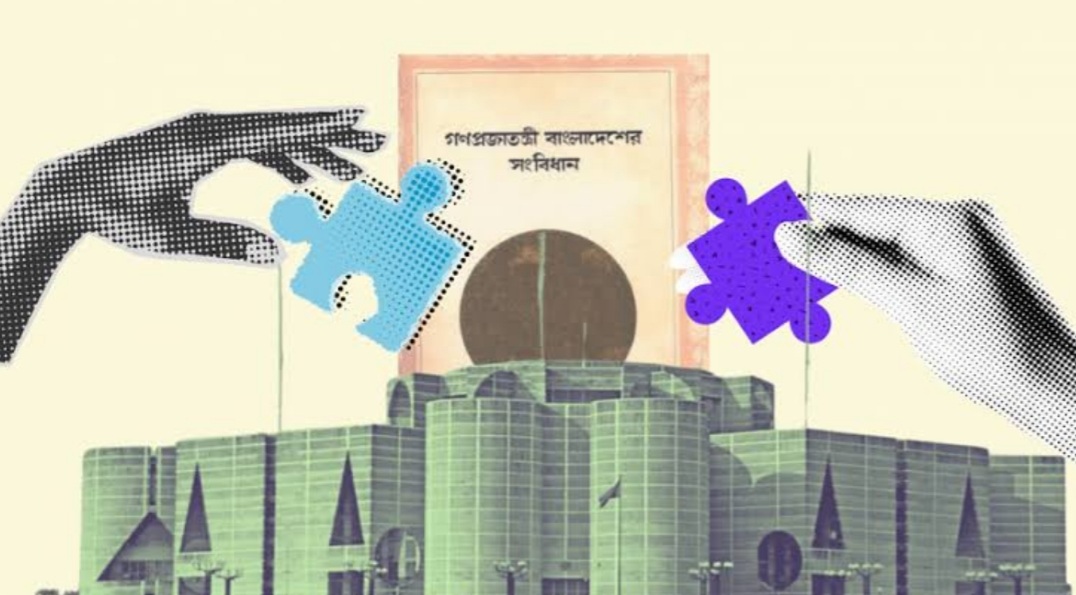
On August 5, 2025, Bangladesh’s interim Chief Adviser, Muhammad Yunus, announced that the nation’s general election will be held in February 2026, before Ramadan begins around February 17–18, aligning with the “July Declaration” marking the uprising that ousted Sheikh Hasina’s government in August 2024. The Bangladesh Election Commission (EC) is tasked with finalizing preparations, with an action plan due by December 2025. This timeline, a shift from an earlier April 2026 projection, follows pressure from the Bangladesh Nationalist Party (BNP) and others amid unrest and economic woes. But who benefits from this accelerated schedule, and who’s left scrambling? With the Awami League banned, political factions divided, and reforms incomplete, the timeline reshapes Bangladesh’s electoral landscape. Let’s unpack the winners, losers, and underlying dynamics with a skeptical lens on power plays and practical realities.
The Timeline: Why February 2026?
Yunus’s announcement, made during a televised address on the July Uprising’s anniversary, sets the election before Ramadan, responding to demands for quicker polls from the BNP and others citing deteriorating law and order. The EC, led by Commissioner Abdur Rahmanel Masud, plans to announce the schedule in December 2025, 50–60 days before polling, per the Representation of the People Order. The shift from April to February reflects compromises with political parties like the BNP, Jamaat-e-Islami, and the National Citizen Party (NCP), though tensions persist over reforms and the Awami League’s exclusion.
The “July Declaration,” a 26-point reform roadmap, calls for constitutional and governance changes, including recognizing the 2024 uprising. Six reform commissions—covering the constitution, election system, police, judiciary, anti-corruption, and public administration—must submit reports by December 31, 2025, to enable polls. Critics like Shajeeb Wazed Joy, Hasina’s son, argue these reforms could take decades, suggesting Yunus’s timeline masks a power grab. Yet, Yunus insists on a “festive, peaceful” election with high voter turnout, urging inclusion of youth and women.
Winners: Who Gains from the Schedule?
- Bangladesh Nationalist Party (BNP)
The BNP, led by Khaleda Zia, emerges as a frontrunner. After boycotting the 2014 and 2024 elections, the BNP’s strong cadre base and public frustration with Hasina’s 15-year rule position it favorably. The February timeline aligns with their demand for swift polls, giving them momentum post-Hasina’s ouster. BNP leader Salahuddin Ahmed hailed the schedule, expecting a “fair, impartial” election. With the Awami League banned, the BNP faces less competition, though its first-past-the-post (FPTP) preference may limit smaller parties’ gains. social media posts show BNP supporters celebrating: “Finally, a chance to vote freely!” - Jamaat-e-Islami and Islamist Groups
Jamaat-e-Islami, a key player in the uprising, welcomes the timeline and the Awami League’s ban, which they pushed for alongside the NCP. Their influence has grown, with X posts noting their street presence, though some warn of rising extremism. The early election limits time for legal challenges to the ban, favoring their agenda. - Interim Government and Yunus
Yunus’s interim government gains legitimacy by setting a concrete date, deflecting criticism of delaying democracy. The February timeline allows just enough time to implement reforms, like police and judicial changes, while maintaining public support. Yunus’s call for a “memorable” election aims to restore trust after the 2024 election’s 40% turnout and rigging allegations. However, Human Rights Watch critiques the government’s human rights progress, suggesting the timeline is a strategic move to quell unrest.
Losers: Who’s Disadvantaged?
- Awami League and Hasina Supporters
The Awami League, banned in April 2025 after protests by the NCP and Jamaat-e-Islami, is sidelined. The EC revoked its registration, barring it from polls unless the ban lifts—a move some call “undemocratic.” Hasina, exiled in India, faces legal ambiguity, with supporters claiming she remains the constitutional Prime Minister. The tight timeline makes it unlikely for the party to reorganize or challenge the ban, though independent candidates, as seen in Pakistan’s 2024 election, could disrupt plans. - Smaller Parties and Pro-PR Advocates
Parties like the Communist Party of Bangladesh and Gono Odhikar Parishad, which favor proportional representation (PR) over FPTP, lose out. The rushed timeline limits electoral reform, preserving the BNP-favored FPTP system, which disadvantages smaller players. NCP’s doubts about fair polls reflect fears that the schedule benefits established parties. - Voters and Electoral Integrity
The compressed timeline risks incomplete reforms, especially in the police and judiciary, critical for fair polls. Past elections, like 2024’s 40% turnout and rigging claims, highlight distrust. social media posts warn of “rushed polls repeating old mistakes.” The EC’s capacity to manage 170 million voters, with only 50 registered parties and 147 new applicants, is strained.
Power and Pragmatism
The February 2026 timeline balances urgency with reform demands but fuels skepticism. The Awami League’s exclusion, backed by the NCP and Jamaat, risks alienating its base, potentially sparking unrest. The BNP’s advantage is clear, but their FPTP stance may entrench a two-party system, stifling diversity. Yunus’s government, unelected and technocratic, faces pressure to deliver, with Atlantic Council warning that delayed reforms could tip Bangladesh toward anarchy.
What’s Next?
The EC’s December action plan will clarify logistics, but challenges loom: ensuring security, managing 350 constituencies, and addressing the Awami League’s ban. The “July Declaration” aims to enshrine the uprising, but its reforms may not materialize by February. With 57% voter turnout in 1970 and 40% in 2024, boosting participation is critical. The timeline favors the BNP and Yunus’s interim government but risks sidelining smaller voices and rushing reforms. Whether it’s a step toward a “New Bangladesh” or a recipe for chaos depends on execution—and who controls the narrative by February.




