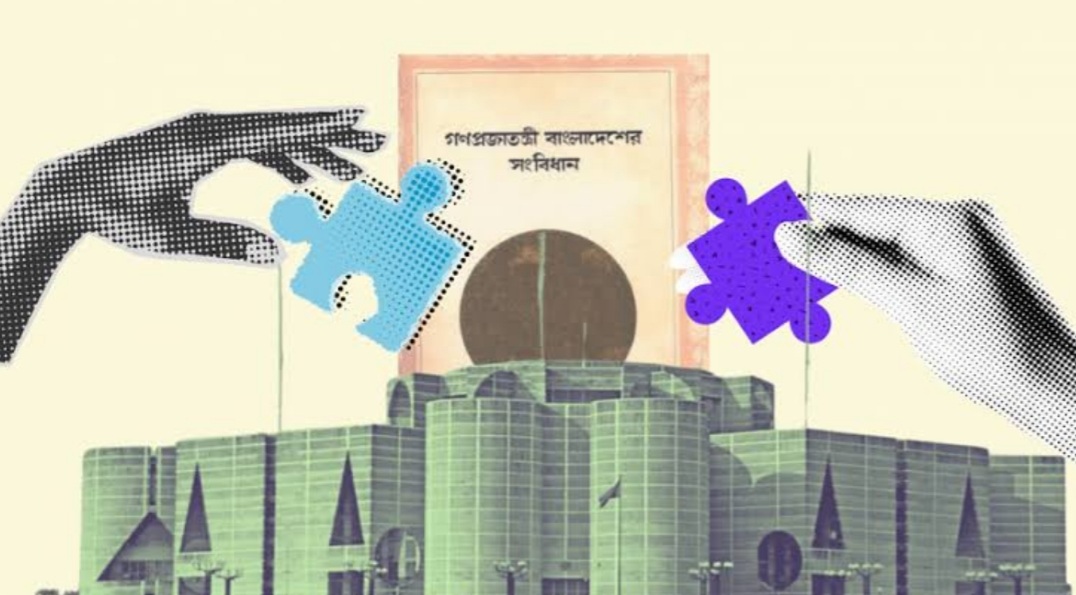
Touted as a step toward digital governance, the NID Wallet app—developed by the Bangladesh Election Commission—promises to make access to National ID services easier, faster, and more secure. But has it truly delivered on that promise for all citizens, both at home and abroad?
This fact-check explores whether the app lives up to its claims of universal accessibility and smooth functionality. We assess its performance, user interface, common technical glitches, and inclusivity—especially for expatriate Bangladeshis who often rely on remote services.
Drawing on user feedback, expert reviews, media reports, and official sources, this investigation seeks to uncover whether the NID Wallet is a dependable digital tool or another case of underdelivered digital ambition.
Claim 1: The NID Wallet App Provides Easy Access to NID-Related Services for All Bangladeshi Citizens
Fact-Check: Partially True
The NID Wallet app, launched on May 29, 2025, by the Bangladesh Election Commission and powered by TigerIT, aims to make National ID-related services easily accessible on mobile devices. Its primary goal is to enable citizens to claim their online NID accounts securely through facial recognition, allowing them to download digital copies of their Smart NID cards. The app targets Bangladeshi citizens aged 14 and above who are eligible for a free Smart NID card, which includes biometric data like fingerprints, iris scans, and photographs. It requires a smartphone with a camera for QR code scanning and internet connectivity, positioning it as a tool to streamline services like voter registration, account claiming, and digital NID downloads.
However, accessibility is not universal. The app’s reliance on smartphones with cameras and stable internet connections excludes users with basic or no smartphones, particularly in rural areas where only 30% have reliable broadband access. Approximately 77.1% of Bangladesh’s population (about 130 million) is online, but rural and low-income communities often lack the devices or connectivity needed for app-based services. Connectivity issues are common, with users reporting errors due to unstable networks, especially during peak hours. For expatriates, the app requires a Bangladesh-based VPN for access, creating barriers for those unfamiliar with such tools. Additionally, the app’s services are limited to new NID applicants or those claiming existing accounts, excluding correction services for existing NIDs at consulates.
Verdict: The claim is partially true. The NID Wallet app provides access to NID-related services like account claiming and digital card downloads for citizens with compatible smartphones and internet access. However, it excludes those without adequate devices or connectivity, particularly in rural areas, and poses challenges for expatriates due to VPN requirements and limited functionality.
Claim 2: The NID Wallet App’s Facial Recognition Works Reliably for Identity Verification
Fact-Check: False
The NID Wallet app’s core feature is facial recognition for secure identity verification to claim online accounts from the BEC website. It uses facial biometrics to ensure only the rightful owner can access their NID account, requiring users to scan their face via a QR code-linked process. The BEC promotes this as a robust security measure to prevent fraud, building on the Smart NID card’s biometric capabilities introduced in 2016.
User feedback, however, indicates significant reliability issues. Reviews from May 26, 2025, report that the facial recognition feature frequently fails, with the app stuck at the loading stage or throwing errors like “check your internet connection” despite successful photo capture. Some note that the feature works better on Android than iPhone, suggesting platform-specific issues. Users describe persistent crashes during facial scans, with unclear error messages complicating troubleshooting. These issues are compounded by a 2023 data leak of over 50 million NID records, raising concerns about the security and reliability of the biometric system. Technical glitches likely stem from outdated server infrastructure and insufficient testing before rollout.
Verdict: The claim is false. The NID Wallet app’s facial recognition feature does not work reliably for many users, with frequent crashes, loading errors, and platform-specific issues reported. Technical limitations and security concerns from past data leaks further undermine its promised reliability.
Claim 3: The NID Wallet App Is User-Friendly and Accessible to All Eligible Citizens
Fact-Check: False
The BEC promotes the NID Wallet app as user-friendly, with a simple interface for account claiming and NID downloads, requiring only a QR code scan and facial verification. The app is intended to serve all eligible Bangladeshi citizens, including those abroad, with instructions to store usernames and passwords for future use. It’s positioned as a step toward digital inclusion under the “Smart Bangladesh” initiative.
User experiences contradict this. Reviews describe the app as poorly designed, citing unclear instructions, nonsensical error messages, and the need for a Bangladesh-based VPN for expatriates. While some praise its functionality for Android users with strong network coverage, it performs poorly on iPhones and offers limited features beyond NID downloads. Complaints highlight a steep learning curve for non-tech-savvy users, particularly the elderly, due to complex navigation and lack of multilingual support beyond Bengali and English. Digital literacy in rural Bangladesh remains low, with only 40% of rural users comfortable with app-based services, limiting accessibility for less-educated citizens.
Verdict: The claim is false. The NID Wallet app is not consistently user-friendly, with unclear instructions, platform-specific issues, and barriers like VPN requirements for expatriates and low digital literacy in rural areas. Its design excludes non-tech-savvy users and those with limited device or network access.
Claim 4: The NID Wallet App Delivers on Its Promise of Future Features and Continuous Improvements
Fact-Check: Partially True
The BEC announced that the NID Wallet app’s first release on May 29, 2025, includes only the facial recognition feature for account claiming, with “multiple features” to be added in future versions. Potential features could include NID corrections, reissuance, and integration with services like voter registration or passport applications, aligning with the Identification System for Enhancing Access to Services (IDEA) Project’s second phase. Job postings for software consultants in Core Java, C Programming, Java Stack, and DevOps for the IDEA Project (application deadline June 22, 2025) suggest ongoing development to enhance functionality.
As of August 2025, no new features have been rolled out since the launch. Users express frustration with the app’s limited scope, noting it only facilitates NID downloads with no additional functionalities. The slow pace of updates and the app’s glitchy initial release suggest a rushed deployment. The BEC’s reliance on external consultants and outdated infrastructure may delay promised improvements. The 2023 NID data leak, affecting 50 million citizens, further erodes trust in the system’s ability to deliver secure, expanded features.
Verdict: The claim is partially true. The BEC promises future features for the NID Wallet app, supported by ongoing development under the IDEA Project. However, no new features have been added since the May 2025 launch, and user feedback highlights delays and technical issues, casting doubt on the timeline for improvements.
The Bigger Picture: A Promising but Flawed Digital Leap
The NID Wallet app, launched in May 2025, is a cornerstone of Bangladesh’s push for digital inclusion under the “Smart Bangladesh” initiative, aiming to provide easy access to NID-related services for over 130 million citizens. It supports the Smart NID card system, which has included biometric data since 2016 and is now managed by the Home Affairs Ministry’s Register’s Office following the 2023 National Identity Registration Act. The app’s facial recognition and digital NID download capability aim to streamline services, but its reliance on smartphones, stable internet, and VPNs for expatriates excludes rural and less tech-savvy users. Technical glitches, such as facial recognition failures and platform-specific issues, combined with a major 2023 data leak, undermine trust. While the IDEA Project’s ongoing development signals potential improvements, the app’s limited functionality and accessibility gaps mean it does not yet work for everyone as promised.
The Skeptic’s Take
They claim the NID Wallet app is a game-changer for everyone, but unless you’re in Dhaka with a top-tier phone and flawless Wi-Fi, good luck. Facial recognition? More like face frustration—it crashes half the time or nags about your internet. Expatriates need a VPN, and rural folks are stuck with spotty networks. It’s meant to be “Smart Bangladesh” magic, but it’s a glitchy app that barely downloads your NID, and iPhone users get the short end. They promise more features, but three months in, it’s still a one-trick pony. After that 2023 data leak, I’m not betting on miracles.
“I spent an hour trying to scan my face, and now I’m wondering if my NID’s already on the dark web,” I mutter, staring at another error message.
Conclusion
The NID Wallet app does not work for everyone as promised. It provides access to NID account claiming and digital card downloads for users with smartphones and reliable internet, but rural citizens (with only 30% broadband access), expatriates needing VPNs, and non-tech-savvy users face significant barriers. Facial recognition is unreliable, with frequent crashes and platform-specific issues, and the app’s user-friendliness is hampered by unclear instructions and limited functionality. While the BEC promises future features under the IDEA Project, no updates have materialized by August 2025, and past security breaches raise concerns. To fulfill its promise, the app needs improved accessibility, robust technical performance, multilingual support, and expanded features, ensuring it serves all Bangladeshi citizens effectively.