

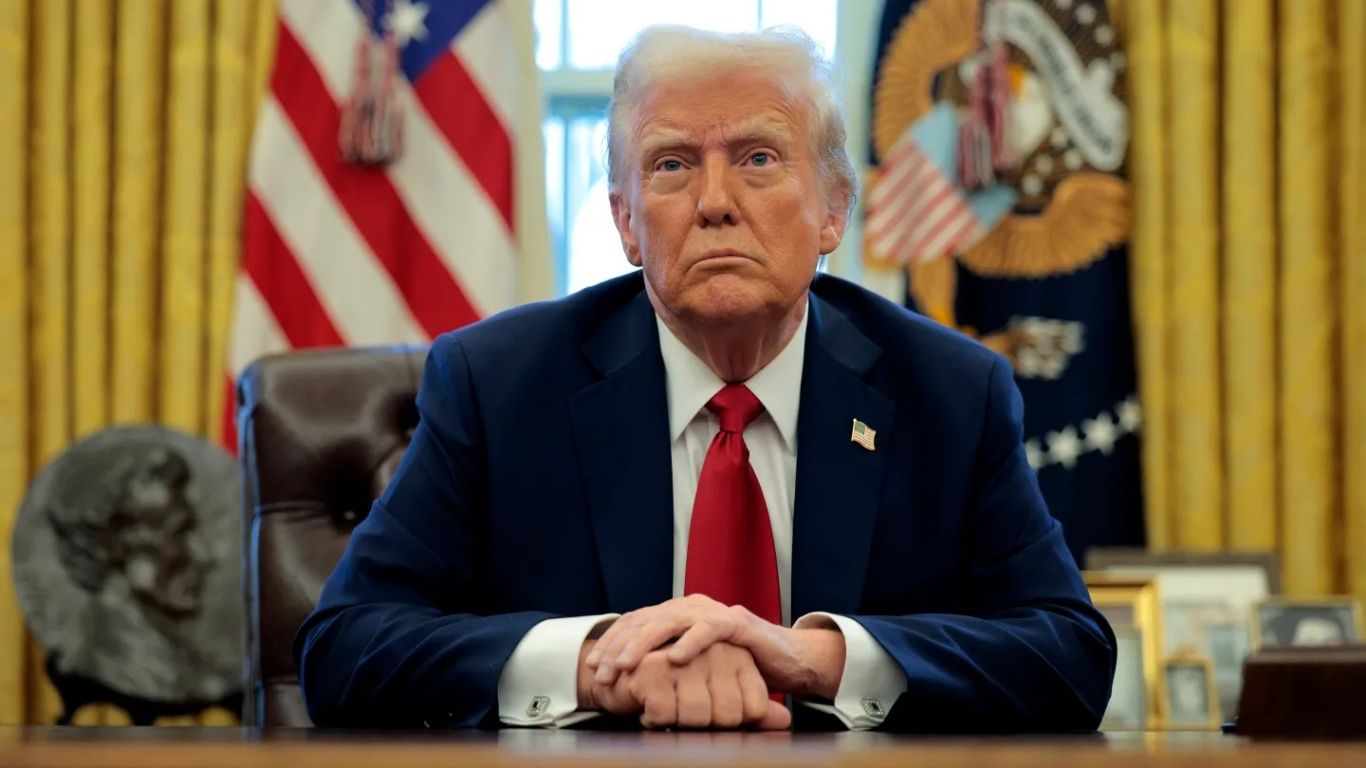
President Donald Trump, a master of leveraging conspiracy theories to fuel his political rise, now faces a crisis of his own making in the Jeffrey Epstein saga. For decades, Trump peddled narratives like Obama’s birtherism and 2020 election fraud, casting himself as the outsider exposing a corrupt “deep state.” Yet, as Fareed Friedman notes, the Epstein affair—laden with unanswered questions about the financier’s crimes, death, and elite ties—has entangled Trump in the very conspiratorial web he spun. With 70% of Americans, including 63% of Republicans, believing the government hides Epstein’s client list (Reuters/Ipsos, July 2025), Trump’s refusal to release files, despite campaign pledges, stokes distrust. His documented 15-year friendship with Epstein, coupled with frantic deflections via Obama and Clinton attacks, only deepens suspicion. This analysis unpacks the crisis’s roots, Trump’s missteps, and whether the “Teflon” president can escape the flames he helped ignite.
The Epstein Morass: A Perfect Conspiracy Storm
Jeffrey Epstein’s 2019 death in a Manhattan jail cell, ruled a suicide, and his sex trafficking crimes have spawned relentless speculation. Unanswered questions—his mysterious wealth, unexamined computer files, and lax jail oversight after a prior suicide attempt—fuel theories of a cover-up. Trump’s ties to Epstein, spanning the late 1980s to 2004, amplify scrutiny. They socialized at Mar-a-Lago, flew on Epstein’s jet at least seven times, and attended parties together, with Trump praising Epstein as a “terrific guy” in 2002 (New York Magazine). A 2004 falling-out over a Palm Beach property ended their friendship, but allegations persist, including Stacey Williams’ 2024 claim that Trump groped her in 1993 with Epstein’s involvement (denied by Trump’s campaign).
The Trump administration’s handling of Epstein files has poured fuel on the fire. Attorney General Pam Bondi, in February 2025, hyped a client list “on my desk” but released only recycled flight logs, disappointing MAGA supporters. A July 7 DOJ memo, stating no client list exists and reaffirming Epstein’s suicide, sparked fury, with figures like Laura Loomer demanding Bondi’s resignation. Trump’s July 12 Truth Social post, urging supporters to drop Epstein and focus on Democrats, backfired, spiking Google searches for “Epstein” and drawing 45,000 responses, many critical (NBC News). Reports that Bondi briefed Trump in May that his name appears in the files—though not implying wrongdoing—intensified accusations of a cover-up.
Trump’s Conspiracy Playbook: A Double-Edged Sword
Trump’s political career thrives on conspiracy theories, tapping what historian Richard Hofstadter termed the “paranoid style” in 1964—fear of elites plotting against the masses. From birtherism, falsely questioning Obama’s citizenship, to QAnon-tinged claims of a pedophile cabal involving Hillary Clinton, Trump normalized fringe narratives. Allies like Michael Flynn and Alex Jones, plus appointees like FBI Director Kash Patel, amplified these, with Patel and Deputy Dan Bongino stoking Epstein theories pre-appointment. Now in power, Trump controls the state he vilified, but his base demands the secrets he promised to expose.
The Epstein case exposes this contradiction. Trump’s campaign vow to declassify files, echoed by Patel and Bondi, raised expectations. Yet, the DOJ’s July memo and Trump’s dismissal of Epstein as “boring” clash with MAGA’s fervor. Posts on X, like @Ultrafrog17’s claim that Trump will release grand jury testimony, show lingering hope, but others, like @GregTSargent, argue Trump’s elite status now implicates him in the cover-up narrative he once weaponized. His deflections—33 Truth Social posts on July 20, including AI videos of Obama’s arrest and rants about the Washington Commanders’ name—reek of desperation, per The Atlantic’s Charlie Warzel.
The Historical Roots: America’s Paranoid Style
Conspiracy theories aren’t new to America. As Friedman notes, colonial distrust of British plots birthed a tradition of suspecting distant elites. Hofstadter’s 1964 essay traced this to fears of Freemasons, Catholics, and communists, with Joseph McCarthy’s 1950s red scare defining modern conspiracism. Anna Merlan’s 2019 book Republic of Lies argues recent decades saw these theories move from margins to mainstream, with Trump as the catalyst. His embrace of QAnon, which alleges a global pedophile ring, aligns with Epstein theories, blending real elite impunity (Epstein’s lenient 2008 plea deal) with fantastical cover-ups.
Trump’s challenge is unique: he’s no longer the outsider. Running the DOJ and FBI, he can’t credibly claim a “deep state” hides Epstein’s secrets. Patel’s July 2025 claim on Joe Rogan’s podcast of a “secret FBI vault” full of mysteries aims to keep the base engaged, but it risks backfiring if no bombshells emerge. The DOJ’s release of JFK, RFK, and MLK files, lacking major revelations, underscores the gap between hype and reality, yet admitting this alienates supporters who see elite lies everywhere.
The Stakes: Can Trump Escape the Fire?
The Epstein crisis tests Trump’s political agility. His base, conditioned to demand transparency, won’t abandon him en masse—his approval rating held steady at 47% in July 2025, per Gallup—but cracks are showing. Tucker Carlson, at Turning Point USA’s July summit, railed against the DOJ’s “case closed” stance, and Elon Musk’s deleted X post alleging Trump’s file involvement stirred unrest (later retracted). House Oversight’s July 23 vote to subpoena DOJ files and Ghislaine Maxwell’s testimony signals GOP rebellion. Democrats, like Hakeem Jeffries, seize on the chaos, accusing Trump of a cover-up.
Trump’s counterstrategy—doubling down on Obama and Clinton conspiracies—may rally loyalists but risks alienating moderates. His July 22 Oval Office outburst, calling Epstein a “witch hunt” while hyping Chinese President Xi’s invitation, felt disjointed (BBC). The DOJ’s push to interview Maxwell, serving a 20-year sentence, aims to appease MAGA, but her silence since 2022 suggests little new insight. If files remain sealed, per Judge Rosenberg’s July 23 ruling, suspicion grows; if released, they may reveal little beyond Trump’s social ties, yet still damage his anti-elite image.




