

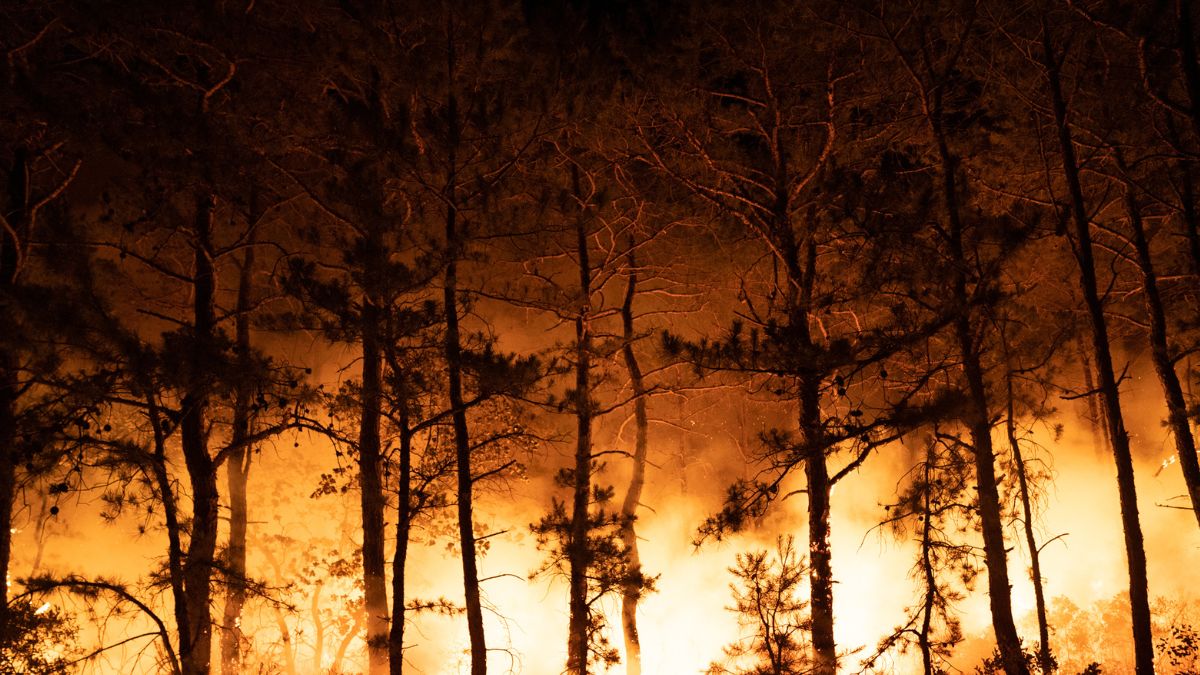
I’m no weather expert—my forecasting skills are limited to guessing if I’ll need a jacket before stepping outside—but when southern Europe’s holiday destinations like Greece and Turkey hit 44C, it’s hard to ignore. A scorching heatwave, pushing temperatures 5-10C above average, has gripped the Mediterranean, fueling wildfires, closing iconic sites like Athens’ Acropolis, and leaving tourists and locals desperate for shade. Two deaths in Cyprus linked to wildfires highlighted the danger. As UK schools break for summer and families head to the region, the forecast brings good news: the extreme heat is easing, with cooler days ahead. But with wildfires still a threat, is it safe to pack your flip-flops? Let’s unpack the weather, the risks, and what it means for your beach getaway, with a smirk and a nod to my preference for air-conditioned hideouts.
The Heatwave’s Toll: Blazing Temps and Raging Fires
Southern Europe has been baking under a heatwave that drove temperatures to 44C in Athens, Greece, and Lefka, Cyprus, last week, far above the typical late-July range of 31-35C. Even the cooler Balkans hit 40C, with North Macedonia, Albania, and Croatia battling wildfires fueled by dry conditions and strong winds. Greece closed the Acropolis on July 22 and 23 to protect visitors from heat-related illnesses, while Cyprus reported two wildfire-related deaths. Turkey faced mass evacuations, with over 50,000 people displaced from Izmir’s fire-hit areas. Spain saw blazes near Malaga, burning over 70,000 hectares.
Climate change is making these heatwaves more common, with 2023 recording 47,000 heat-related deaths across Europe, mostly in southern regions. Greece’s third heatwave this summer led to work bans for outdoor workers like delivery riders. X posts captured the chaos: one user reported on July 22 that Greece halted outdoor labor to prevent heatstroke, while another noted record-breaking temperatures across Turkey and the Balkans since April.
A Cooler Forecast: What’s Coming?
Relief is on the horizon. The forecast predicts the extreme heat will ease over the next week, with temperatures dropping to or below seasonal averages. In Athens and Kos, highs of 41C over the weekend should dip to the mid-30s by July 29 or 30. Cyprus will see temperatures settle at 31-35C, matching typical summer norms. In southern Germany, Italy, and the Balkans (like Croatia and Bosnia), highs in the high 30s are expected to fall to the low 20s, 5-10C below average. Thunderstorms and rain forecast for North Macedonia could help douse wildfire risks, offering relief after a week of intense blazes.
Northern Europe isn’t escaping the heat either. Finland logged a record-breaking 14-day streak of 30C temperatures, a first since 1961. But for Mediterranean holiday spots, the cooling trend is a welcome shift, especially as UK families flock there for summer holidays.
Wildfires: A Lingering Threat
Even with cooler weather, wildfire risks remain “high to extreme” across southern Europe due to prolonged heat and drought. Greece, Turkey, Cyprus, and Spain continue to face challenges, with firefighters stretched thin. In Crete, 230 firefighters, drones, and helicopters tackled a blaze that forced evacuations. Turkey’s Izmir fires damaged holiday homes and closed an airport. Dry conditions, high winds, and residual heat keep the danger alive, despite the temperature drop. Climate experts note that Mediterranean heatwaves are becoming “more frequent and intense,” with studies warning that heat-related deaths in Europe could triple by 2100, reaching 129,000 annually if global warming hits 3C. X posts echoed the concern, with users warning of 45C peaks in the Balkans and highlighting Cyprus’s deadly fires.
“It’s not just hot—it’s dangerous. Friends in Sardinia saw heatstroke cases firsthand,” one local shared in a report.
Holiday Plans: Time to Rethink?
For UK holidaymakers chasing Mediterranean sun, the heatwave raises tough questions. Research shows 81% of Europeans are adjusting travel plans due to climate change, favoring cooler destinations or off-season trips, like Greece in October or Spain in February, which saw a 20% tourism surge in 2025. The intense heat—called “horrendous” by a Sardinia resident who witnessed heatstroke cases—has made classic summer beach trips less appealing. Closures like the Acropolis and work bans in Greece add logistical headaches.
My take, as someone who’d rather sip iced coffee than roast in 44C? The cooler forecast is a relief for travelers, but don’t toss the sunscreen yet. Wildfires mean you need to stay sharp—check local alerts, stick to shaded areas, and hydrate like your life depends on it. Apps tracking fire risks and X updates offer real-time info. The Mediterranean’s still a stunner, but maybe plan that Crete trip for spring. For now, I’ll be rooting for those firefighters from my cool, cozy couch, far from any 40C madness.




