

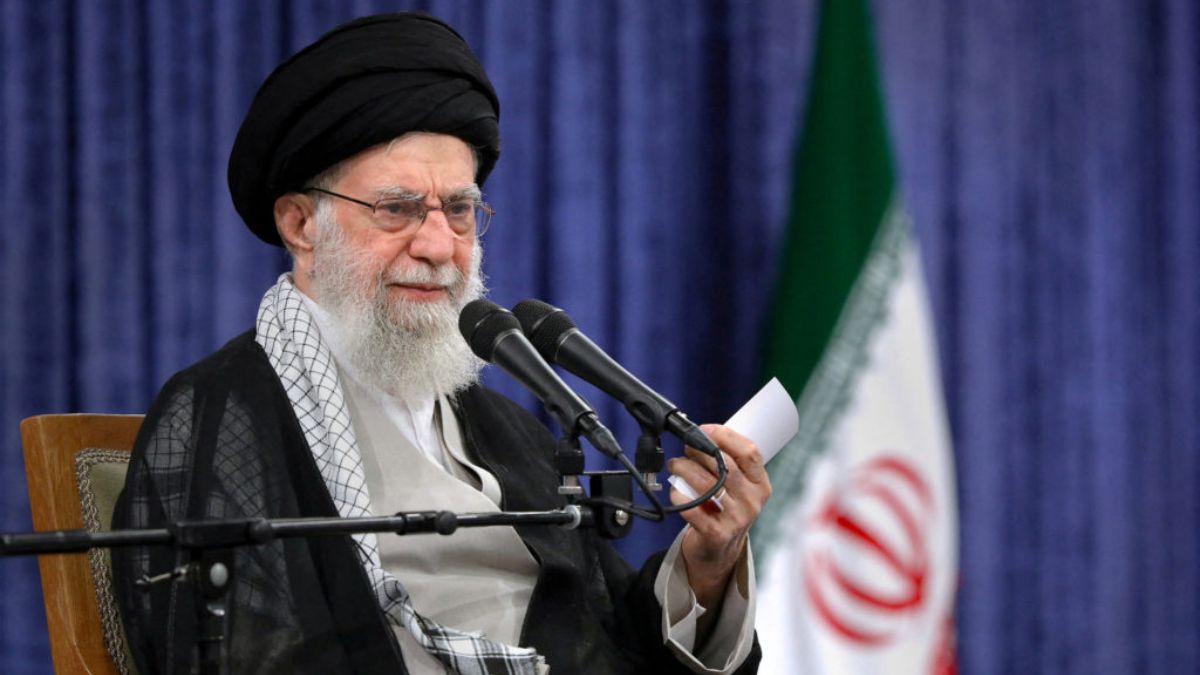
Khamenei’s Bold Accusation
On July 16, 2025, Iran’s Supreme Leader Ayatollah Ali Khamenei dropped a bombshell, accusing Israel of orchestrating a 12-day war in June to destabilize the Islamic Republic. “The calculation and plan of the aggressors was to weaken the system by targeting certain figures and sensitive centres in Iran,” he declared in a statement on his official website. The goal, he claimed, was to ignite “unrest and bring people into the streets to overthrow the system.” It’s a hefty charge, painting Israel’s strikes as a deliberate attempt to topple Iran’s theocracy, not just a military flex.
Khamenei’s words carry weight in a country where he’s the ultimate authority, steering both policy and propaganda. But the accusation isn’t just rhetoric—it’s a window into Tehran’s paranoia about external threats. “Khamenei’s playing to the home crowd,” says a Middle East analyst who’s waded through decades of the region’s feuds. “He’s framing Israel as the puppet master to rally Iranians and deflect from domestic woes.” With Iran’s economy battered by sanctions and inflation, per Reuters, the narrative of a foreign plot hits a nerve.
The June War: A Bloody Flashpoint
The conflict kicked off on June 13, 2025, when Israel launched a ferocious bombing campaign targeting Iran’s military and nuclear infrastructure. The strikes, described as “unprecedented” by Al Jazeera, killed top military commanders and nuclear scientists, with Iranian authorities reporting over 1,000 deaths. Tehran retaliated with drone and missile strikes, killing 28 in Israel, according to Israeli officials. The tit-for-tat escalated when the U.S., Israel’s staunch ally, joined the fray on June 22, hitting Iran’s nuclear facilities at Fordo, Isfahan, and Natanz, per The Guardian.
The timing was no accident. The strikes came two days before a scheduled sixth round of U.S.-Iran nuclear talks, set to continue negotiations that began on April 12, 2025. Those talks, aimed at reviving the 2015 nuclear deal (JCPOA), were derailed, and no new date has been set. “Israel didn’t just bomb bases—they bombed diplomacy,” quips a diplomatic source who’s seen too many peace talks crumble. The attacks have left Iran’s nuclear ambitions in limbo and its leadership seething.
Nuclear Talks in Tatters
The U.S.-Iran nuclear negotiations, already fragile, are now on life support. Tehran insists it’s open to diplomacy but demands guarantees that Washington won’t resort to military action, per AP News. On July 16, Iran’s parliament threw up another roadblock, ruling out talks without unspecified “preconditions.” It’s a vague stance, but it signals Tehran’s distrust after the U.S.’s direct strikes. “Iran’s not negotiating from a position of strength,” says a former U.S. diplomat. “They’re licking their wounds and doubling down.”
Khamenei, for his part, urged Iran’s diplomats and military to proceed with “care and precision,” offering little detail but hinting at a delicate balancing act. Tehran’s caught between projecting strength and avoiding further escalation. The supreme leader’s statement reflects a regime under pressure, juggling domestic unrest, economic strife, and a battered nuclear program. “Iran’s playing chess with half the pieces missing,” says an analyst with a knack for cutting through diplomatic fog.
The Geopolitical Chessboard
The June war didn’t happen in a vacuum. Israel’s strikes targeted “sensitive centres,” likely Iran’s nuclear sites and military brass, aiming to cripple its capabilities. The U.S.’s follow-up attacks on Fordo, Isfahan, and Natanz—key nodes in Iran’s nuclear network—suggest a coordinated effort to kneecap Tehran’s ambitions. This aligns with Israel’s long-standing goal of preventing a nuclear-armed Iran, a red line echoed by Prime Minister Benjamin Netanyahu in a June 2025 speech, per BBC.
But was regime change the real goal, as Khamenei claims? The evidence is murky. Israel’s strikes were precise, targeting elite figures and infrastructure, but there’s no clear sign of a broader destabilization campaign. Iran’s domestic unrest—spurred by economic hardship and protests over women’s rights, per Human Rights Watch—predates the war. Still, the timing of the attacks, just before nuclear talks, suggests a strategic intent to weaken Tehran’s bargaining power. “Israel’s not trying to spark a revolution,” says a security expert. “They’re trying to keep Iran on its knees.”
The U.S.’s role adds another layer. The strikes under President Trump’s watch mark a sharp departure from the Biden era’s cautious diplomacy. Trump’s withdrawal from the JCPOA in 2018 set the stage for heightened tensions, and his administration’s recent moves—bolstered by Secretary of State Marco Rubio’s hawkish stance—signal a return to maximum pressure. Posts on X, like one from @IranObserver, frame the U.S. and Israel as a united front, with Iran’s leadership as the scapegoat.
The Skeptic’s Take
Let’s not drink the Kool-Aid just yet. Khamenei’s claim of a grand Israeli scheme to topple Iran’s regime smells like a convenient narrative. Tehran’s been blaming foreign plots for internal dissent since the 1979 revolution, and this feels like a page from that playbook. The supreme leader’s statement, while fiery, lacks specifics—no names of targeted figures, no proof of a street-level uprising. Iran’s 1,000-plus death toll is tragic, but the regime’s own crackdowns on protesters, per Amnesty International, do plenty to fuel unrest without Israel’s help.
That said, Israel’s strikes were no random tantrum. Targeting nuclear scientists and facilities hits Iran where it hurts, and the U.S.’s involvement screams coordination. The timing, right before nuclear talks, suggests a deliberate move to derail diplomacy and keep Iran on the defensive. But regime change? That’s a stretch. Toppling a government takes more than bombs—it takes a groundswell of internal collapse, which Iran, for all its woes, hasn’t reached.
As I sit here, smirking at the Middle East’s endless game of brinkmanship, I can’t help but see this as another act in a tired drama. Khamenei’s rallying his base, Israel’s flexing its muscle, and the U.S. is playing enforcer. The nuclear talks are stalled, the body count’s rising, and the region’s no closer to peace. Was Israel’s war meant to overthrow Iran’s system? Maybe in Tehran’s nightmares, but in reality, it’s more about power than revolution. Keep an eye on Iran’s next move—and don’t hold your breath for diplomacy to save the day.




