

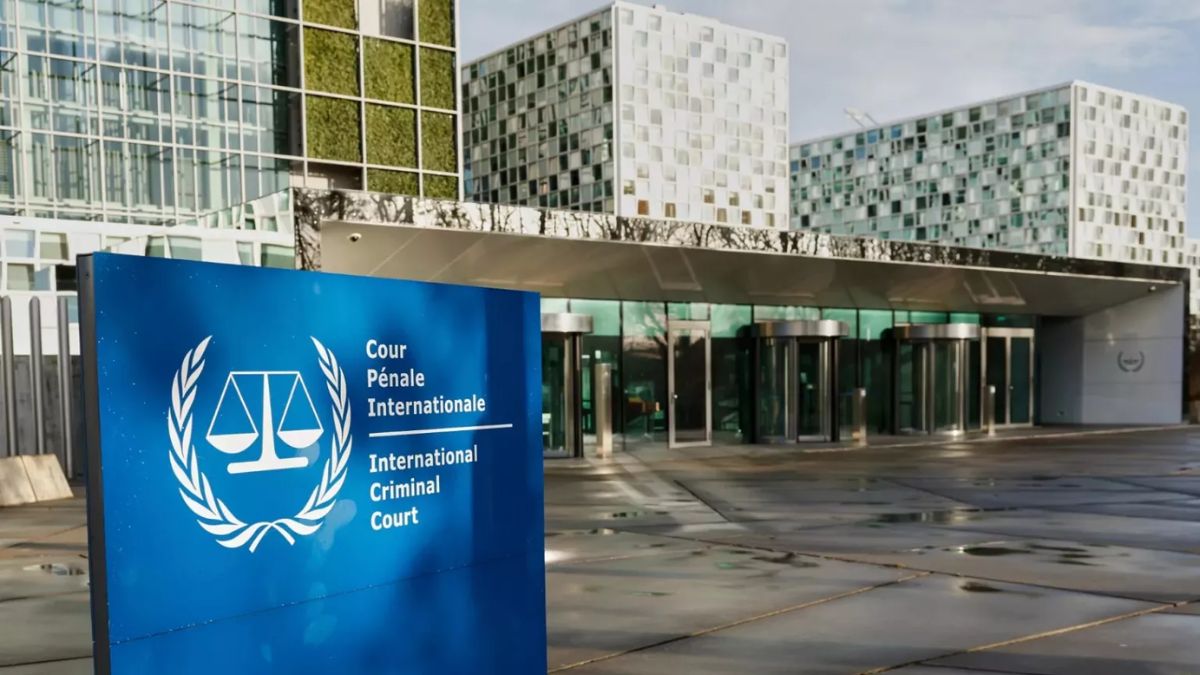
In a quiet courtroom in The Hague, where translators whisper into headsets and black-robed judges lean over stacks of evidence, the echoes of war-torn streets and silent cries for justice find their final audience. This is the heart of the International Criminal Court — the only permanent court designed to hold individuals accountable for genocide, war crimes, and crimes against humanity.
Over the past year, the ICC has handed down verdicts and arrest warrants that have shaken capitals, unsettled dictators, and given fragile hope to survivors from Mali to Ukraine, from the Congo’s jungles to the ruins of Gaza.
The Mali Case: A Judge’s Hammer Against Terror
One of the most symbolic moments came on 26 June 2024, when Al-Hassan Ag Abdoul Aziz Ag Mohamed Ag Mahmoud — a name now etched in legal history — was found guilty of brutal war crimes in Mali.
As an alleged police chief for the Ansar Dine militants, Al-Hassan oversaw torture, forced marriages, and the destruction of sacred Timbuktu shrines. For years, survivors waited to hear a judge say what they already knew: these were not just local crimes; these were crimes against humanity.
He was sentenced to 10 years in prison — a modest number, some say, compared to the scars left on the desert city’s people and culture. But for Malians, it was a rare glimpse of accountability in a region too often ignored.
The ‘Terminator’ and His 30 Years
If Al-Hassan’s verdict reminded the world that extremists could face the dock, the case of Bosco Ntaganda — once nicknamed the Terminator — showed that even powerful warlords can’t outrun justice forever.
In July 2019, the ICC found the Congolese commander guilty of 18 counts, from murder to rape and using children as soldiers. His sentence — 30 years, the harshest in ICC history — was upheld again in 2021. Ntaganda’s victims, many still living in camps across the Democratic Republic of Congo, were awarded a record $30 million in reparations.
It’s a sum unlikely to reach every scarred family. But in a world where victims rarely see even an apology, the court’s gesture stands as an unprecedented promise: your suffering was real, and someone must pay.
Arrest Warrants for Presidents and Prime Ministers
Perhaps the ICC’s boldest move came in March 2023, when it issued an arrest warrant for Vladimir Putin — the sitting president of a nuclear power — for the deportation of Ukrainian children during Russia’s war. Months later, warrants followed for other Russian commanders.
Then, in November 2024, the court stunned many again: prosecutor Karim Khan sought warrants against Israel’s Prime Minister Benjamin Netanyahu and Defense Minister Yoav Gallant, accusing them of using starvation as a weapon in Gaza — and committing crimes against humanity.
As expected, both Russia and Israel rejected the charges. Appeals began almost immediately. In April 2025, an appeals panel ordered a fresh look at whether the court even has jurisdiction over Israel, reopening a legal tug-of-war that may stretch for years.
Still, the symbolism is powerful. The ICC has never been so daring — or so tested. It is now chasing sitting heads of state, not just rebel leaders from forgotten conflicts.
Why It Matters
For many critics, the ICC is too slow, too political, too Western. But for thousands who have fled rape camps, seen families murdered, or watched cultural treasures reduced to dust, each verdict is proof that the idea of justice can still cross borders.
The court’s reach is far from perfect. Its power depends on states’ willingness to arrest fugitives. Its funding is always under debate. And its verdicts can’t rebuild towns or undo trauma. But for the world’s forgotten victims, the sight of powerful men in a glass dock is still a start.
The Verdict Beyond the Verdict
As the ICC files more indictments, issues more arrest warrants, and fends off cyberattacks and political pressure, one thing is clear: international justice is not just an ideal — it’s a test.
The next few years will show whether the world wants a court that truly dares to hold anyone accountable, or just a courtroom with empty chairs waiting for fugitives who never arrive.
For now, the message from The Hague is simple, though never easy: No crime is too distant. No title is too powerful. Sooner or later, the gavel may find you.




