

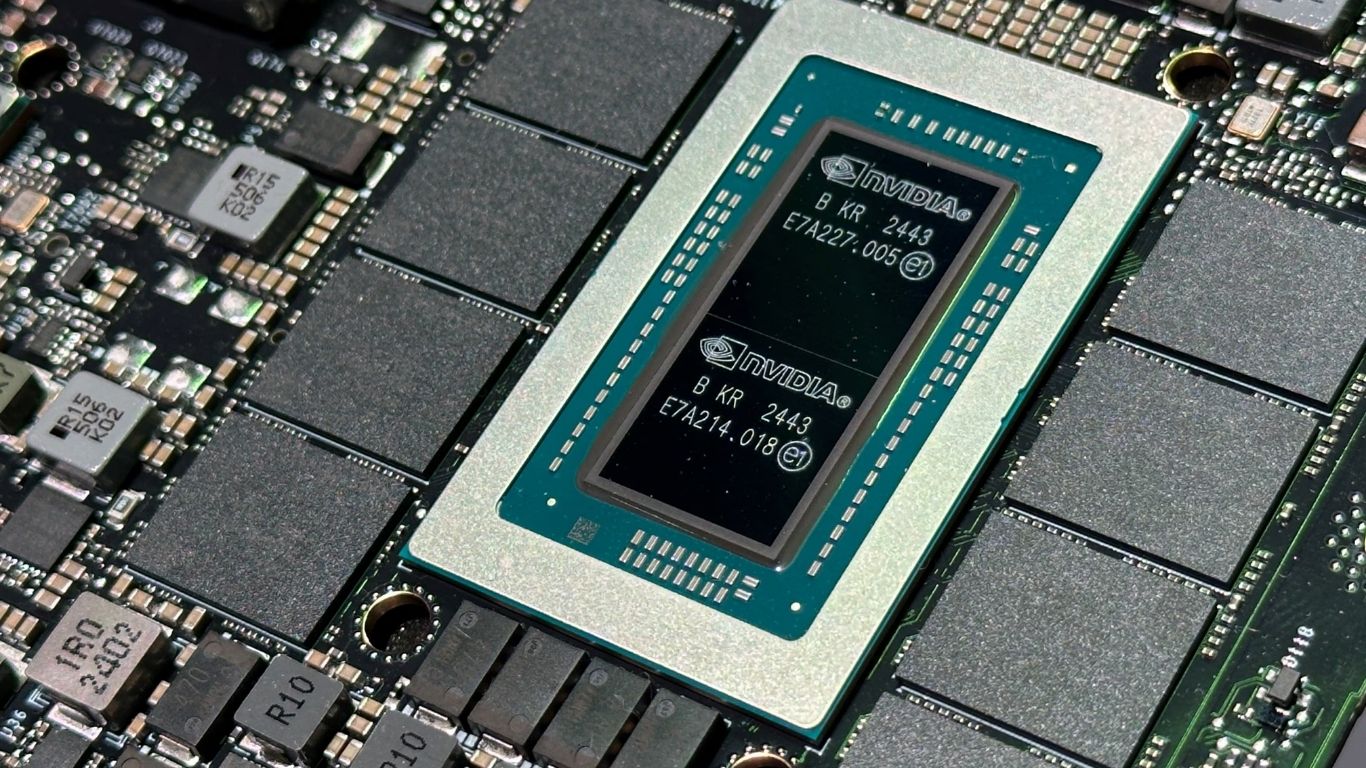
Nvidia, the undisputed titan of global chipmaking and a front-runner in artificial intelligence, has once again shaken the tech landscape. On Monday, the company stunned markets by announcing its intent to resume sales of its advanced H20 AI chips to China an abrupt reversal of stringent U.S. restrictions that had frozen billions in potential revenue and cast a shadow over the global technology supply chain.
This pivotal decision follows a high-stakes meeting between Nvidia CEO Jensen Huang and U.S. President Donald Trump, signaling a crucial new phase in the ongoing technological and economic standoff between the world’s two largest economies.
The AI Chip at the Heart of U.S.-China Rivalry
Nvidia’s chips are no ordinary commodities. They power the technologies fueling economic growth and national security from AI chatbots and robotics to autonomous vehicles and scientific research. The H20, launched specifically to comply with trade barriers, became the most sophisticated AI chip American firms could legally sell to China. In 2024, China accounted for approximately 13% of Nvidia’s sales, contributing $17 billion in revenue.
But the U.S. government’s escalating concerns about China’s ambitions led to fresh controls in April, requiring Nvidia to obtain a special export license for the H20, effectively shutting one of the largest global markets out for the Silicon Valley behemoth. These controls targeted fears that Nvidia’s technology could be redirected to Chinese military applications or supercomputing, thereby eroding U.S. technology supremacy.
The Cost of Restrictions: Billions on the Line
For Nvidia, the enforced halt was not just a bureaucratic problem but a heavy financial blow. The company estimated a $2.5 billion revenue loss from the first quarter of 2025 alone, with total projected losses reaching up to $8 billion in the second quarter as long as the regulations stood. Huang, faced with mounting losses and pressure from shareholders, warned that restricting U.S. firms from China would backfire, enabling Chinese rivals to rapidly accelerate their own semiconductor industries and diminish American competitiveness.
Nvidia even excluded China from its revenue forecasts, a remarkable step for a corporation of its scale and influence, highlighting the unpredictability of the ongoing trade war.
Strategic Diplomacy: Trade Talks, Tariffs, and Technology
Nvidia’s lobbying efforts rode the wave of a broader diplomatic thaw. Both Washington and Beijing had been moving toward reducing tariffs in a bid to ease economic tensions. According to U.S. Treasury Secretary Scott Bessent, the Nvidia export controls were wielded as a “negotiating chip” in these high-level discussions, underscoring just how central advanced semiconductors have become in global policy and power.
After direct talks with Trump and assurances from the U.S. government that licenses would be expedited, Nvidia is now set to deliver its AI hardware to China again. The move not only restores access to vital revenue streams but reanimates the global AI hardware race and signals that, at least for now, economic pragmatism outweighs technological decoupling.
Nvidia’s Argument: Building Global Standards, Not Walls
At the core of Nvidia’s lobbying is Huang’s persuasive strategic vision. He maintains that just as the U.S. dollar underpins international finance, American technology should set the standard for the global AI ecosystem. “We want the American tech stack to be the global standard,” Huang argued in a recent interview, highlighting that restricting U.S. technology exports would only accelerate the rise of alternative, competing standards in China.
By reengaging the Chinese market, Nvidia hopes to ensure that AI innovation, safety, and standards remain grounded in American-developed technology, rather than ceding leadership to major Chinese firms such as Huawei or startups like DeepSeek using Nvidia’s H20 chip to push the envelope in AI development.
The Market Reacts: Confidence Returns
The strategic reversal didn’t just please Nvidia’s boardroom; it reinvigorated its investors and reverberated through global equity markets. Shares of Nvidia and AI-focused tech firms jumped in response to the news. With Nvidia crowned as the world’s first $4 trillion publicly traded company last week, this renewed China engagement is expected to drive further growth, restore battered sales forecasts, and cement its dominance in the AI sector.
Compliance But with Conditions
While the U.S. has signaled flexibility, it is not a blanket surrender. Nvidia’s new chips for China, the H20 and modified RTX Pro GPU, have been carefully engineered to adhere to U.S. export controls and avoid the highest-performance thresholds. These products remain pivotal for Chinese customers in critical sectors like smart manufacturing and logistics, though they fall short of Nvidia’s flagship gaming and datacenter chips.
Looking Ahead: Nvidia, China, and the AI World Order
As Jensen Huang arrives in Beijing for a high-profile supply chain expo and media briefing, the stakes could hardly be higher. His visit signals a redoubling of American ambitions to remain the world’s AI leader one that depends both on cutting-edge hardware and the commercial viability that access to China’s gigantic market provides.
The temporary unblocking of export controls is a powerful signal that economic interdependence, at least for now, trumps the urge to erect hard technological borders. Yet, the long-term trajectory of U.S.-China tech relations remains as unpredictable as ever. In the short term, Nvidia’s return to China marks a powerful win for global AI leadership, international commerce, and the collaborative yet fiercely competitive future of innovation.
Table: Key Milestones in Nvidia’s China AI Chip Saga
| Date | Event | Impact |
| 2024 | H20 chip released for the China market | China = 13% of sales; $17B revenue |
| April 2025 | U.S. restricts H20 exports, requiring licensing | $2.5B revenue hit in Q1, up to $8B in Q2 |
| July 2025 | U.S. signals license approval; sales resume | Nvidia stock rises, China re-included |
Conclusion
Nvidia’s rapid pivot in the China AI chip saga encapsulates the immense power and peril of being the world’s technology leader. In a charged climate of superpower rivalry, the ability to balance profit, policy, and technological preeminence will define the trajectory of not just one company but the future of artificial intelligence worldwide.




