

A Crowded Crisis: The Rohingya Influx
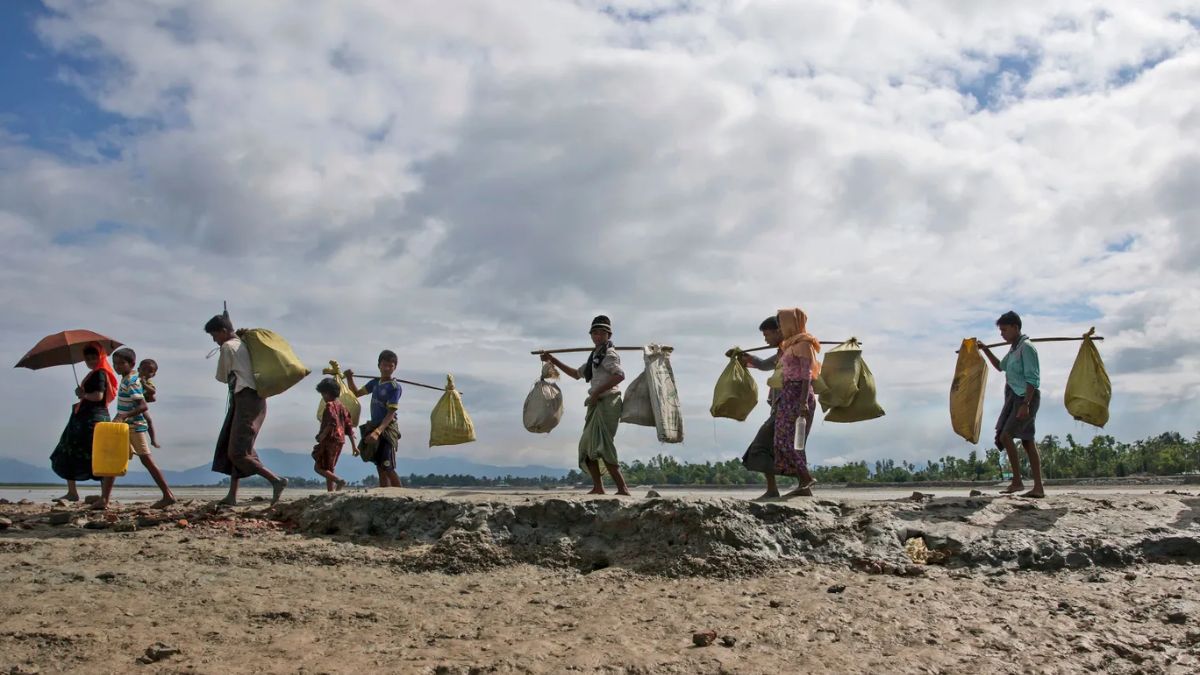
In the cramped, muddy sprawl of Cox’s Bazar, Bangladesh, a humanitarian storm is brewing, and the locals are feeling the heat. Nearly 150,000 Rohingya refugees have poured in over the past 18 months, fleeing violence in Myanmar’s Rakhine State, adding to the already staggering 1 million Rohingya packed into camps spanning just 24 square kilometers. That’s denser than most cities, and it’s pushing Bangladesh to the breaking point. The government, increasingly vocal about sending the Rohingya back to Myanmar, is caught in a bind as funding for essential services like food, healthcare, and education teeters on collapse. For the average Bangladeshi, especially those living near the camps, this influx feels like a weight they didn’t sign up for. And now, with the UN Refugee Agency (UNHCR) sounding alarms about a funding shortfall, the situation is hitting a nerve.
Since 2017, when over 700,000 Rohingya fled a brutal military crackdown in Myanmar—described by the UN as a “textbook example of ethnic cleansing”—Bangladesh has shouldered a disproportionate burden. The recent wave of 150,000 new arrivals since early 2024, driven by renewed conflict between Myanmar’s military and the Arakan Army has only deepened the strain. Nearly 121,000 of these newcomers have been biometrically registered, but thousands more live informally, blending into camps already stretched thin.
“The camps are a pressure cooker. Resources are scarce, and the locals are starting to feel like they’re competing with refugees for survival,” says a Cox’s Bazar resident, speaking anonymously to avoid backlash.
The numbers are staggering: 1.1 million people in a space smaller than most small towns, with women and children making up the majority. These refugees rely entirely on humanitarian aid for basics—food, water, shelter, and medicine. But the money’s drying up. The UNHCR’s $255 million appeal for 2025 is only 35% funded, and without a cash injection, health services could collapse by September, cooking fuel will run out, and food aid will vanish by December. Education for 230,000 children, including 63,000 recent arrivals, hangs in the balance.
Bangladesh’s Breaking Point
For Bangladeshis, particularly those in Cox’s Bazar, the Rohingya presence is no longer just a humanitarian issue—it’s personal. The camps have strained local infrastructure, driven up food prices, and sparked tensions over jobs and resources. Posts on X reflect growing frustration, with some users claiming the Rohingya are “producing more kids and creating a challenge to Bangladesh’s resources.” Others, like Foreign Minister Mohammad Touhid Hossain, have openly called for third countries like India or the U.S. to take in more refugees, arguing Bangladesh “won’t take in and shelter more Rohingyas”.
The government’s stance is hardening. Interim leader Muhammad Yunus has pushed for repatriation, citing a “deteriorating security situation” (). This isn’t just rhetoric—reports indicate Border Guard Bangladesh recently detained and pushed back hundreds of Rohingya to Myanmar’s volatile Rakhine State, despite pleas from families and UN warnings about the dangers (). For many locals, the sentiment is clear: Bangladesh has done its part, and it’s time for the Rohingya to go home.
“We’ve been generous, but we’re not a bottomless pit. The world needs to step up, or we’ll have to make tough choices,” a Bangladeshi official told Diplotic.
But repatriation is a pipe dream for now. Myanmar’s conflict shows no signs of slowing, with the military and Arakan Army locked in a bloody stalemate. The Rohingya, a mostly Muslim minority in a predominantly Buddhist country, face systemic discrimination—denied citizenship and branded as “foreigners” in their own land. The International Court of Justice is investigating genocide charges against Myanmar’s military, but justice moves slowly, and the Rohingya can’t wait.
The Funding Crunch: A Global Failure
The UNHCR and its partners are scrambling, but the global community is looking the other way. The 2025-26 Joint Response Plan for the Rohingya crisis, launched by UNHCR and the International Organization for Migration, seeks $934.5 million to support 1.48 million people, including refugees and host communities. So far, it’s a drop in the bucket. The U.S., once a major donor with $300 million in 2024, has slashed funding, prioritizing defense spending over humanitarian aid (). Other Western nations are following suit, leaving Bangladesh to bear the brunt.
The consequences are already visible. The World Food Programme cut monthly food vouchers from $12.50 to $6 per person in March, forcing families to stretch meager rations. Healthcare is crumbling—medical visits in the camps dropped from 372,000 in February to 205,000 in April. Schools, already makeshift, are shutting down, leaving 437,000 children without education. And as desperation grows, some Rohingya are risking deadly sea journeys to Malaysia or Indonesia, with 427 reported dead in boat sinkings off Myanmar’s coast in May.
A Local Backlash and Global Indifference
The funding crisis isn’t just a logistical nightmare; it’s a spark for unrest. In Cox’s Bazar, locals resent what they see as “preferential aid” to refugees, fueling tensions (). Crime in the camps—drug peddling, domestic violence—is rising, and some fear it could spill into surrounding communities (). The government’s push to repatriate, even forcibly, is gaining traction, but it’s a risky move. Forcing Rohingya back to Myanmar’s warzone could violate international law and ignite further violence. Yet, with resources dwindling, Dhaka’s patience is wearing thin.
Globally, the Rohingya crisis is slipping off the radar. A UN conference in September aims to refocus attention, but promises have been broken before. The UN’s Filippo Grandi has called the situation a “humanitarian catastrophe,” yet the world’s distracted by other crises—Ukraine, Gaza, you name it. For Bangladeshis, it feels like they’re being left to clean up a mess they didn’t make.
What’s Next?
So, here we are, stuck in a grim cycle. Bangladesh, a country of 170 million with its own economic struggles, can’t keep footing the bill. The Rohingya, stateless and trapped, have nowhere to go. And the international community, despite all its grand talk, is writing checks it can’t cash. The UNHCR’s plea for funds is urgent, but it’s a Band-Aid on a gaping wound. Without a political solution in Myanmar—unlikely under the current junta—or a surge in global support, Cox’s Bazar risks becoming a powder keg.
“This isn’t just about money. It’s about whether we, as a world, give a damn about people who’ve lost everything,” says Noor Azizah, a Rohingya advocate.
For now, the Rohingya wait, crammed into flimsy shelters, while Bangladesh grumbles and the world shrugs. The question isn’t just whether funds will come—it’s whether anyone still cares enough to act before the whole system collapses.




