

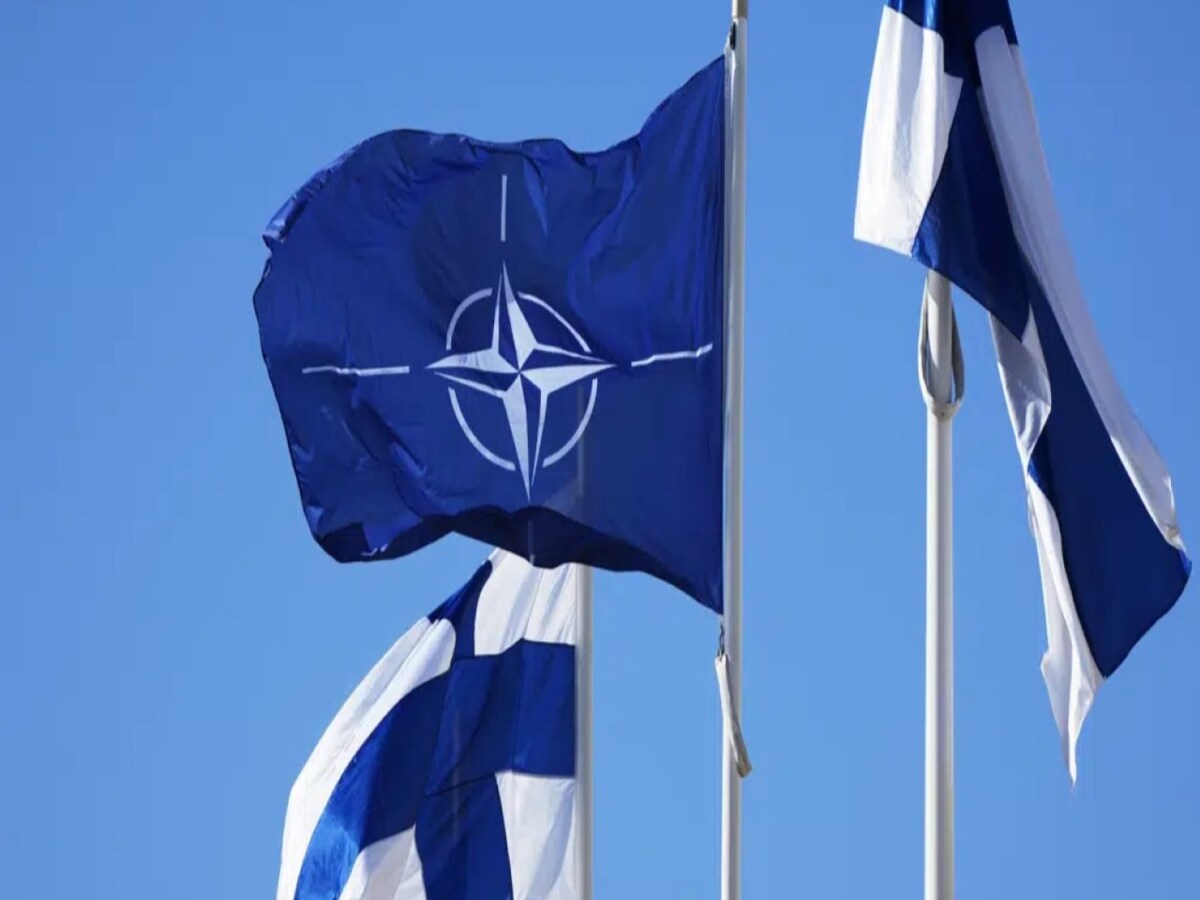
Here’s the deal, folks: the United States, the big, brash glue that’s held NATO together since its scrappy post-World War II birth, is loosening its grip. And I’m not just talking about a polite step back it’s more like Uncle Sam’s packing his bags, eyeing the exit, and telling Europe, “You’re on your own, kids.” The pivot in U.S. foreign policy, especially under the shadow of a certain former president’s bluster, has sent a clear message: NATO’s European members need to dig deeper into their wallets for defense. No more leaning on Washington’s broad shoulders. The question is can Europe’s middle powers, those scrappy underdogs like France, Germany, Poland, and the UK, rise to the occasion? Or will they fumble the baton in a world that’s looking less like a cozy alliance picnic and more like a geopolitical cage match?
I’ve spent years shouting into the void about the oppressed, the overlooked, and the truth that gets buried under bureaucracy’s boot. And let me tell you, this NATO shake-up? It’s a story of the little guys Europe’s middle powers being told to stand tall while the big guy (that’s the U.S., naturally) decides it’s tired of carrying the load. But here’s my take, served with a side of skepticism and a pinch of hope: Europe’s got the heart, but does it have the muscle?
The U.S.: NATO’s Overworked, Underappreciated Glue
Let’s not kid ourselves the U.S. has been NATO’s backbone, its brain, and its brawn for decades. Without Washington, the alliance would be less like a well-oiled machine and more like a rickety bicycle missing a few spokes. It’s not just about the troops or the tanks, though those help. The U.S. runs the show in NATO’s command structure, holding key roles that keep the whole operation humming. Take the 2011 Libya operation, Operation Unified Protector the U.S. supplied about 75% of the intelligence, surveillance, and reconnaissance (ISR) assets. That’s right, three-quarters of the eyes in the sky, tracking Gaddafi’s goons, came from American tech and know-how (NATO’s own report). Without that, NATO’s precision strikes would’ve been more like throwing darts blindfolded.
And then there’s the missile defense systems, the kind that make enemies think twice before lobbing anything nasty. Europe’s got nothing comparable. The U.S. brings the big guns literally and figuratively. So when Trump, never one for subtlety, demanded NATO members jack up their defense spending to 5% of GDP (way above the 2% benchmark set in 2006 at the Riga summit and doubled down on in 2014’s Wales Defence Investment Pledge), it wasn’t just hot air. It was a warning shot: Europe, you’re on notice.
Europe’s Middle Powers: Ready or Not?
So, who’s supposed to pick up the slack? The middle powers France, Germany, Poland, and the UK. These aren’t the oppressed masses I usually champion, but they’re the underdogs in this story, dwarfed by the U.S.’s military might. Can they step into Washington’s oversized boots? Let’s break it down, country by country, with a healthy dose of my usual side-eye.
France: The Proud, Independent Fighter
France has always fancied itself a bit of a maverick, and its military isn’t half bad. They’ve got nuclear capabilities that don’t rely on the U.S. (unlike someone we’ll get to later), and President Macron’s been waving the checkbook, promising 413 billion euros for defense from 2024 to 2030 (Reuters, 2023). That’s a 118 billion euro bump from the last budget nothing to sneeze at. But here’s the rub: France has wobbled on NATO’s 2% GDP target in the past, and boosting spending doesn’t automatically translate to boots on the ground or missiles in silos. It’s a start, but it’s like promising to run a marathon when you’ve only just bought the sneakers.
Germany: The Reluctant Giant
Germany, oh Germany talk about a country dragged kicking and screaming into military relevance. Since Russia’s 2022 invasion of Ukraine, Chancellor Olaf Scholz has been throwing around big numbers, like a 100 billion euro injection into the Bundeswehr (DW, 2022). Defense Minister Boris Pistorius even declared Germany the “backbone of deterrence” in Europe. Bold words, Boris! But the Bundeswehr’s got problems recruitment’s a mess, with more soldiers leaving than signing up (Politico, 2024). Intentions are great, but execution? That’s where the sweat and tears come in, and Germany’s still wiping its brow.
Poland: The New Kid on the Block
Now, Poland here’s a country that’s not messing around. From a modest military in 2014, when Russia snatched Crimea, Poland’s climbed the ranks to boast NATO’s third-largest force, behind only the U.S. and Turkey. They’re spending a whopping 4.12% of GDP on defense (NATO, 2024), and their modernization program is the stuff of Pentagon dreams. Poland’s become the guard dog of NATO’s eastern flank, staring down Russia with a snarl. But even they can’t do it alone coordination with the others is key, and that’s where things get dicey.
The UK: Punching Above Its Weight (Barely)
The UK’s been a steady hitter, meeting NATO’s 2% target and then some, with projects like the Challenger 3 tank and Boxer armored vehicles getting a cool £5 billion (UK Ministry of Defence). But here’s the kicker the British armed forces are bleeding personnel faster than they can recruit, losing 300 more people a month than they gain (The Guardian, 2024). And let’s not forget their Trident nuclear system, which sounds impressive until you realize it’s U.S.-supplied and maintained. Independent? Hardly.
The Leadership Vacuum: Who’s in Charge?
Here’s where I get really cranky. NATO without the U.S. is like a band without a conductor everyone’s playing their own tune, and it’s a cacophony. There’s no natural leader among the middle powers. France and Germany bicker like old married couples, Poland’s got its own agenda, and the UK’s too busy sorting out its post-Brexit identity crisis. Cooperation? Ha! Europe’s history is a soap opera of rivalries and grudges Turkey and Greece can barely sit in the same room without throwing shade over Cyprus (BBC, 2020).
And don’t get me started on the EU-NATO overlap. They’re like two siblings who can’t share a toy, squabbling over who gets to call the shots. Even when there’s a flicker of unity like the UK backing Germany’s potential chancellor Friedrich Merz on sending Taurus missiles to Ukraine it feels more like a desperate high-five than a grand strategy (Reuters, 2024). Russia’s invasion of Ukraine has lit a fire under Europe, sure, but a common enemy doesn’t automatically mean a common plan.
The Road Ahead: Hope or Hot Air?
So, what’s the verdict? NATO’s middle powers are stepping up more money, more tanks, more grit. In 2024, 22 out of 32 members hit the 2% GDP target, a big leap from the four who managed it in 2014 (NATO, 2024). Mark Rutte, NATO’s Secretary-General, admitted they’re still hashing out what a new spending target might look like, but it’s “considerably more than 2%” (AP News, 2024). That’s progress, right?
But progress isn’t victory. The U.S.’s retreat has exposed just how much NATO leaned on it not just for firepower but for direction, for that unifying voice that says, “Get it together, people.” Without it, Europe’s middle powers are like a bunch of talented soloists who don’t know how to play as a team. And with Russia flexing its muscles and Ukraine’s war dragging on, the clock’s ticking louder than a cheap alarm clock.
Here’s my two cents, and I’m not holding back: Europe’s got the potential, but it’s got to stop acting like a collection of squabbling fiefdoms. The middle powers need to pool their strengths France’s nukes, Germany’s cash, Poland’s hustle, the UK’s grit and forge a real alliance, not just a photo-op. It’s not about replacing the U.S.; it’s about proving Europe can stand on its own two feet. Because if they don’t, and Russia keeps pushing, we’re not just talking about a weaker NATO we’re talking about a world where the oppressed, the vulnerable, and the truth get trampled. And that, my friends, is a fight I’ll never stop shouting about.




