

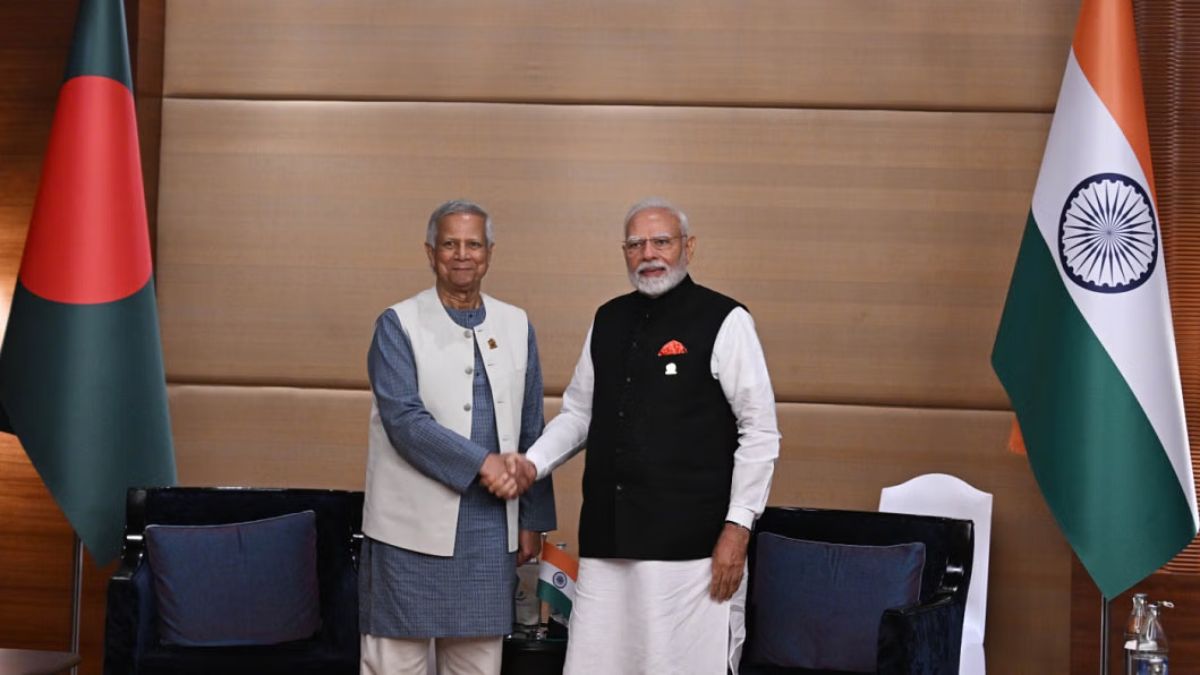
On May 18, 2025, India banned Bangladeshi garments from land borders and restricted other goods—cotton, foods, furniture—at six northeastern entry points, citing “reciprocal” measures after Bangladesh’s yarn and rice import bans (Reuters). The move follows the 2024 ousting of India’s ally, Sheikh Hasina, now in exile (BBC). India also canceled a 2020 deal for Bangladesh to use its ports for global trade (The Hindu), escalating tensions. Bangladesh’s commerce ministry, blindsided, awaits official notice (Al Jazeera).
“When a giant slaps you, it’s not about fairness—it’s about reminding you who’s boss.” —The author, seeing through the rhetoric.
The Human Toll: Bangladesh’s Lifeblood Under Attack
Bangladesh’s economy, driven by garments (World Bank), faces a crisis. Pran-RFL Group, exporting $60 million to India, calls the restrictions a “big threat” (Bloomberg). The garment sector, employing 4 million (ILO), risks job losses, with trade set to “face a blow” (The Daily Star). Workers, mostly women, bear the brunt.
A David vs. Goliath Story in South Asia
India’s dominance overshadows Bangladesh, with the canceled 2020 deal and new restrictions cutting vital trade lifelines. Bangladesh’s bans were defensive, but India’s response is disproportionate, targeting a smaller nation’s core industries.
A Cry for Justice—and a Fair Fight
Bangladesh needs diplomacy, mediation by WTO or SAARC, and global support for fair trade. The underdog’s fight is for survival, and the truth stands with its workers, not India’s power plays.




