

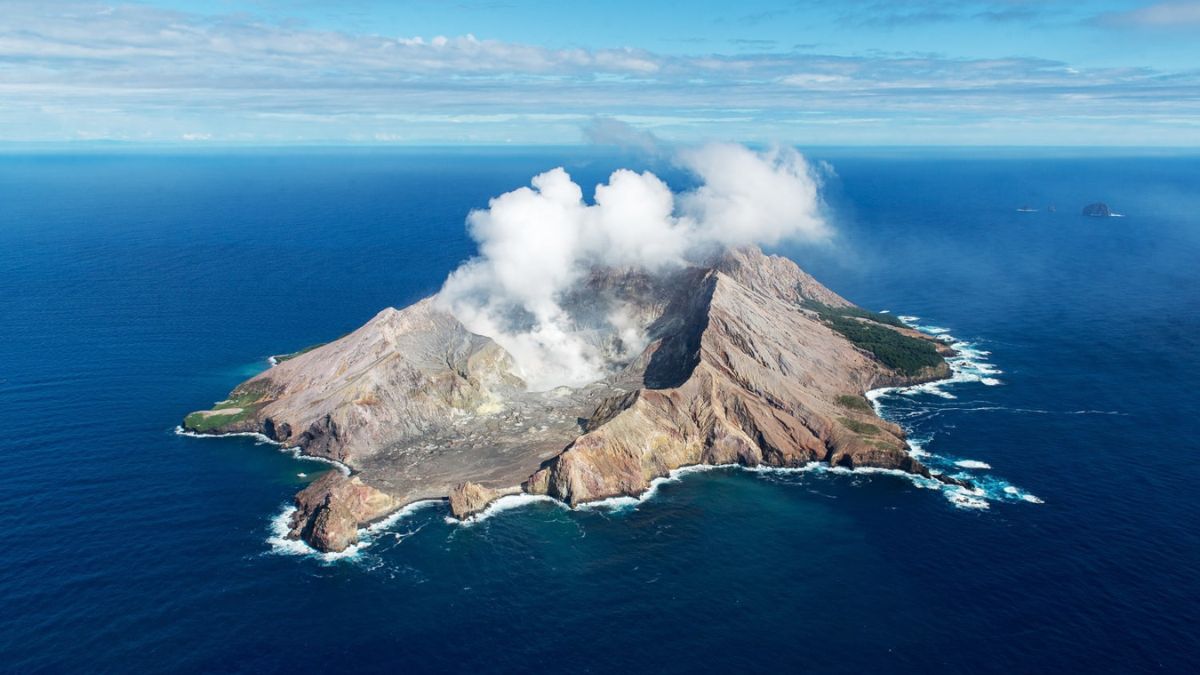
In December 2019, New Zealand’s Whakaari/White Island erupted, claiming 22 lives and leaving many others with severe injuries. The victims, primarily tourists, had embarked on what was supposed to be an adventurous excursion. Instead, they encountered a catastrophic event that would forever alter their lives and the lives of their families.
The Eruption and Its Aftermath
On that fateful day, 47 individuals were on Whakaari. The eruption was sudden and devastating, leading to immediate casualties and inflicting critical injuries on many others. The survivors endured extensive burns, with some suffering injuries to over 90% of their bodies. The immediate response involved daring rescue operations, with helicopter pilots risking their lives to save those stranded on the island.
Legal Proceedings Begin
In the wake of the disaster, New Zealand’s workplace safety watchdog, WorkSafe NZ, launched an extensive investigation. This led to charges against 13 parties, including tour operators and the owners of Whakaari, the Buttle brothers, operating under Whakaari Management Limited (WML). The central allegation was a failure to ensure the safety of those visiting the island.
Initial Convictions
By October 2023, several entities had pleaded guilty or were found guilty. WML was convicted and fined over NZD 1 million, with additional reparations amounting to NZD 4.8 million to be paid to the victims. The court highlighted significant lapses in safety protocols and a disregard for the inherent dangers posed by the active volcano.
The Appeal and Overturned Conviction
However, in a turn of events, the High Court overturned WML’s conviction in February 2025. Justice Simon Moore ruled that merely owning the land did not equate to responsibility for visitor safety. He stated that WML had no direct control over the daily operations on the island and that it was reasonable for them to rely on tour operators and scientific organizations to assess and manage risks.
Implications of the Ruling
This decision has profound implications. It raises questions about accountability and the extent of responsibility that landowners have, especially when their property is used for commercial tourism. The ruling suggests that the duty of care lies predominantly with those directly conducting and managing the tours. This perspective could potentially shift how liability is determined in future cases involving natural hazards and adventure tourism.
Voices of the Affected
The families of the victims and the survivors have expressed deep disappointment with the overturned conviction. For them, this is not just a legal matter but a profound personal tragedy. Many feel that justice has not been served and that those who had the power to prevent the disaster are not being held accountable.
A Survivor’s Perspective
Consider the story of Jason Griffiths, a 33-year-old adventurer from Australia. He suffered critical burns to 98% of his body and tragically passed away four days after the eruption. His family, along with others, gathered in New Zealand on the fifth anniversary of the disaster to honor their lost loved ones. The pain and grief they endure are immeasurable, and the recent court ruling adds to their anguish.
The Role of Tour Operators
Tour operators have also faced scrutiny and legal action. Several companies pleaded guilty to health and safety breaches and were fined accordingly. These developments underscore the critical need for stringent safety measures and clear communication of risks to potential tourists. Adventure tourism inherently involves risks, but it is imperative that those risks are transparently conveyed and adequately managed.
Government Agencies Under the Microscope
The National Emergency Management Agency (NEMA) and GNS Science, the agency responsible for monitoring volcanic activity, were also implicated. While NEMA successfully appealed for a dismissal of the charges against it, GNS Science was fined for failing to communicate volcanic dangers effectively. These cases highlight the complexities involved in disaster management and the dissemination of critical information.
Reflections on Adventure Tourism
New Zealand’s adventure tourism industry is a significant contributor to its economy. However, the Whakaari tragedy has prompted a reevaluation of safety standards and risk management practices. It serves as a stark reminder of the unpredictable nature of natural attractions and the paramount importance of safeguarding human lives.
Moving Forward
As legal proceedings conclude, the focus shifts to healing and learning. For the victims’ families and survivors, the journey toward closure is ongoing. For the industry and regulatory bodies, this tragedy serves as a catalyst for implementing more robust safety protocols and ensuring that such a disaster does not recur.
Conclusion
The Whakaari/White Island eruption was a devastating event that exposed significant gaps in safety and accountability within adventure tourism. While the recent court ruling has absolved the landowners of legal responsibility, the ethical and moral questions linger. It is a somber reminder of the delicate balance between human exploration and the formidable forces of nature.
“The 47 people who were on Whakaari at the time it erupted should never have been there. The fact that they were reveals multiple systemic failures.” — Justice Simon Moore citeturn0search0
“It should have been no surprise that Whakaari could erupt at any time, and without warning, at the risk of death and serious injury.” — Justice Evangelos Thomas citeturn0search0
“The pain and grief of the families affected by this tragedy are immeasurable.” — Justice Simon Moore citeturn0search0
“The Whakaari tragedy has prompted a reevaluation of safety standards and risk management practices in New Zealand’s adventure tourism industry.”




