

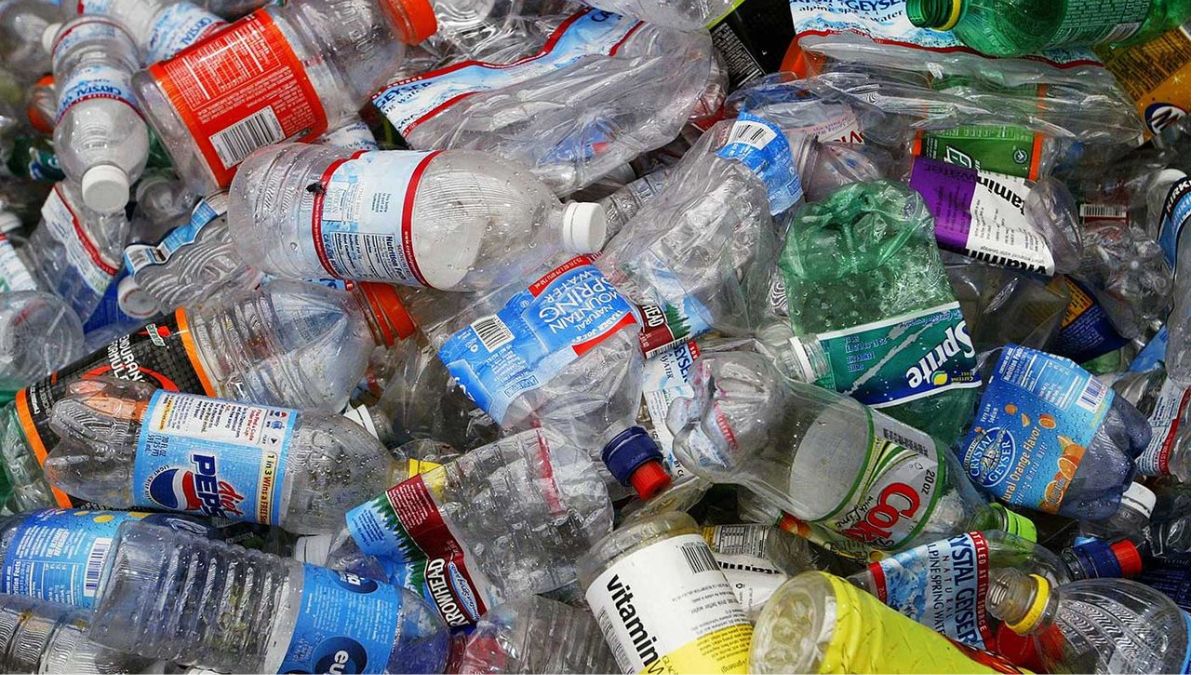
Plastics have been at the heart of modern progress, revolutionizing industries, improving lives, and yet creating a growing environmental crisis. What started as a wonder material grew into a global challenge—a mountain the world faces regarding one of its long-term consequences. This article will show how plastics made their way from a wonder of innovation to an omnipresent pollutant and how society can take up the challenge of this dualism.
The Rise of Plastics: A Revolution in Material Science
Plastics first came into being during the 19th century, with early types being fabricated from natural materials such as rubber. The first completely synthetic plastic, called Bakelite, was invented by the Belgian chemist Leo Baekeland in 1907 and marked the beginning of modern plastics. Besides their malleability and durability, plastics were to become an indispensable material in various industries—from automotive to electronics—on account of their affordability.
Plastics allowed life-saving medical care. Single-use medical devices, like syringes, catheters, and IV bags, reduce the risk of infection by improving hygiene and the quality of patient care. It is required in food preservation since its packaging extends the time it is expected to stay on the shelf, and it is less exposed to contamination.
During most of the 20th century, plastics were thought of as the ultimate material—that one which epitomized progress and would help the world win against most elements that for centuries had threatened human existence.
The Dark Side: Environmental Impact and Plastic Waste
Within just a couple of short years, after plastics became woven into the fabric of life, the rise of a surge in environmental destruction began to grow. In a world where production increases to more than 400 million tons annually, only 9%, according to calculations by the Organisation for Economic Co-operation and Development—or OECD—is recycled. A plastic waste crisis thus results in millions of tons of plastics littering the oceans, killing wildlife, and shredding natural ecosystems.
But herein lies the paradox: that very durability, which makes plastics so useful, confers on them an environmental staying power of centuries. By some estimates, about 60% of plastics manufactured today go into packaging—a sector in which a great deal of waste is generated and very little is recycled. This wanton wastage has reached a breaking point, and large-scale efforts are underway to try and contain the mushrooming problem.
Microplastics: An Invisible Threat to Health
More recently, other disquieting effects of plastic overuse have come to light: that of microplastics in human blood, breast milk, and even semen. These small plastic particles, typically less than 5 millimeters, have made their way both into the food chain and into the environment, casting grave doubts on what could be the consequences for human health.
While not all of the impact of microplastics on human health is known, their omnipresence suggests urgency is warranted. And as plastic particles continue to flow into the environment, the grim reality for society is having to face up to a world smothered by plastic.
Global Response: Treaties, Bans, and Innovation
The response of acting governments and organizations across the world is evidence that there is indeed a growing sensitivity to the problem. The ongoing negotiations of a global treaty on plastic pollution indicate the problem would be brought into focus pretty soon. In countries like India and Rwanda, single-use plastics have been banned. This example should be emulated by other countries as well.
Innovation also happens on the technological front: companies come up with newer technologies, making the recycling of plastics more effective and thereby reducing the generation of waste. Biodegradable plastics and other alternative materials hold great promise for reduced dependence on petroleum-based products.
Reimagining Plastics for Tomorrow
The plastic waste crisis has to be met at a multi-dimensional level. Better technologies for recycling: Probably, a better recycling mechanism can allow recovery of better value from plastic wastes and thereby reduce the demand for the production of new material.
Behavioral change in consumers: Single-use plastics need to be cut down to a minimum and replaced with such sustainable alternatives as reusable products, which would actually cut down on the generation of waste by quite an extent.
Supporting innovation implies intensive research in biodegradable plastics and other alternative material alternatives, hence prospectively less injurious plastic futures.
Turning the Plastic Crisis into an Opportunity
Plastics are rightly both a badge of human ingenuity and warnings of their unforeseen consequences all in one. The plastic waste crisis continues to balloon and hence requires a combined response on the part of people, industries, and governments. Rethink plastic use and invest in sustainable alternatives so that at every moment in the future, innovation and environmental sense go together.
The challenge has been immense but simultaneously affords us the opportunity for change and defines the course toward sustainability anew. And so the question remains: Shall we rise to the challenge or let plastics define our world?




