

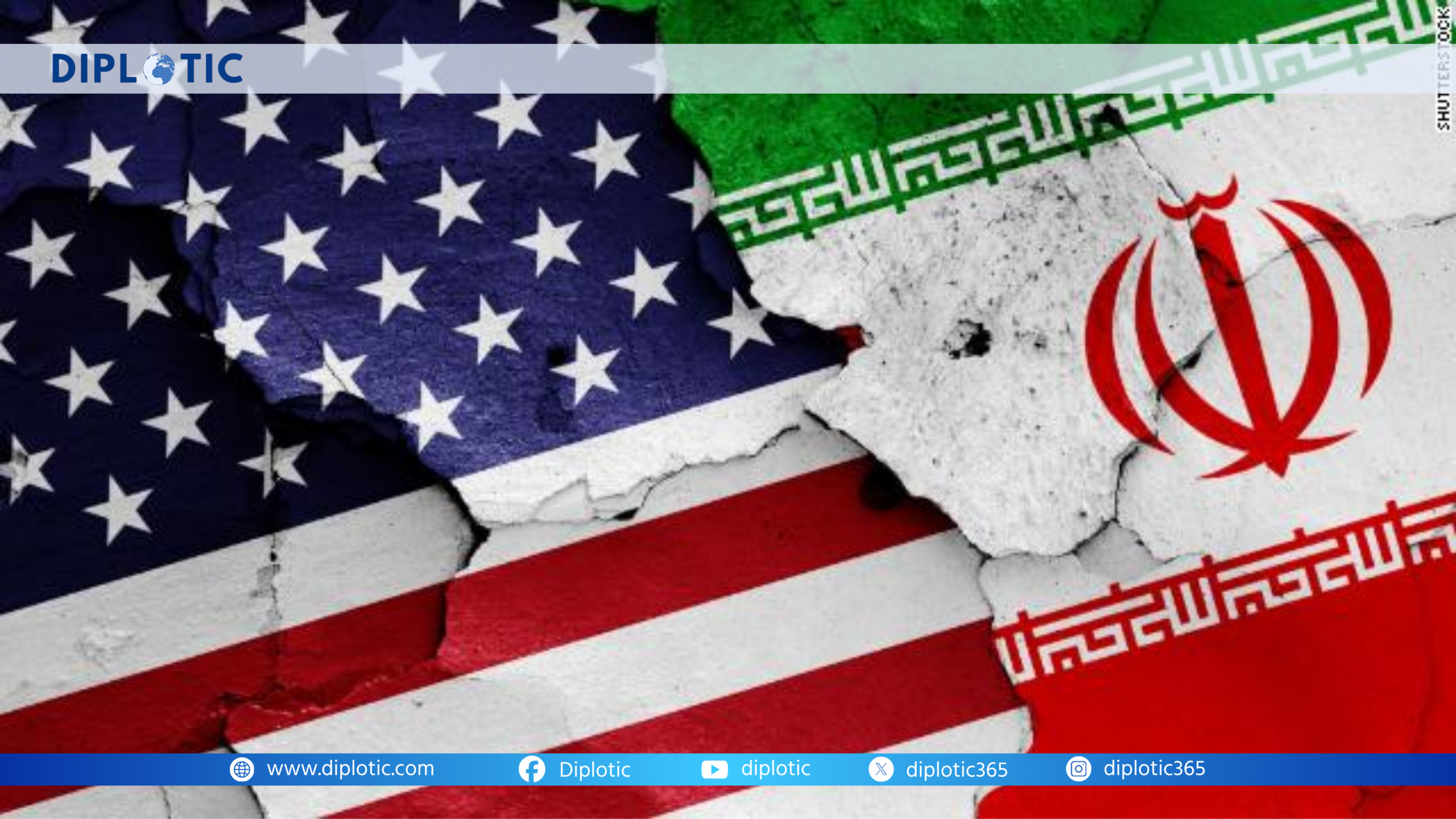
The conflict between the United States, Israel, and Iran has reached a serious stage since strikes began on February 28, 2026. Many statements from Washington and Tel Aviv suggest confidence in military pressure and economic sanctions as tools to weaken or change the Iranian government. Yet a closer look shows possible miscalculations in this approach. The Iranian system has shown strength in the face of past pressures, from the long war with Iraq in the 1980s to years of heavy sanctions. Observers question whether the current strategy underestimates Iran’s internal stability and overestimates the power of air strikes or external threats to force quick change. A flawed plan could lead to higher costs, wider instability, and unintended shifts in global power. Understanding these risks helps explain why the conflict may not end as expected and what it means for the broader Middle East and world order.
How strong is Iran’s internal system, and why does external pressure often strengthen it?
Iran is frequently described in Western discussions as a country close to collapse because of protests and social tensions. These problems exist, but they do not tell the full story. The country has built a resilient state over decades. Political, religious, and military institutions work closely together, creating a system that holds together under stress. National identity runs deep, and many citizens rally around the government when they see an outside threat, even if they disagree with some policies at home.
This pattern has appeared before. During the 1980s war with Iraq, Iran faced invasion and heavy losses but did not break. Sanctions in later years hurt the economy but failed to cause the government to fall. When external forces increase pressure, groups inside Iran that normally criticize the leadership often set those differences aside to defend the country. This makes strategies that count on internal division less likely to succeed. Regime change from outside becomes very difficult when the population sees the conflict as an attack on the nation rather than just on its leaders. The current war has already shown signs of this effect, with reports of greater unity in the face of strikes that killed top officials, including Supreme Leader Ali Khamenei. A new, possibly harder-line leadership has taken over, suggesting that removing one set of leaders does not automatically open the door to a friendly government.
Why have past bombing campaigns rarely achieved lasting political change?
History offers clear examples of the limits of air power alone. In Iraq before 2003, years of bombing weakened the military but did not remove Saddam Hussein without a full ground invasion. In Libya in 2011, NATO air strikes helped topple Muammar Gaddafi, but the country fell into chaos and civil war afterward. Serbia in 1999 saw air strikes lead to political shifts, but only under very specific conditions that do not easily apply elsewhere. These cases show that bombing can destroy targets and raise costs, yet it rarely forces a government to surrender or creates a stable new order.
Iran presents even greater challenges than those earlier examples. It has a large population of nearly 90 million people spread across a vast land with mountains, deserts, and crowded cities. Its military includes advanced missile systems and experience with asymmetric tactics that make a simple air campaign less effective. Strikes can damage factories and bases, but they also risk rallying public support for the government. Prolonged bombing without ground forces would likely fail to achieve political goals and could instead strengthen the very system it aims to weaken. The current conflict has already destroyed parts of Iran’s drone and missile production, yet Iran continues to respond and maintain pressure through the Strait of Hormuz. This suggests that military tools alone may not deliver the quick results some hoped for.
What makes a ground invasion of Iran an extremely risky option?
Any large-scale land operation in Iran would face serious obstacles from the start. The country’s geography includes high mountain ranges, wide deserts, and large urban areas that favor defenders. Invading forces would need to move through difficult terrain while facing an organized military and local resistance. Supply lines would be long and vulnerable, raising the danger of high casualties and long delays.
The costs would be enormous. The wars in Iraq and Afghanistan already stretched U.S. resources over many years and left lasting burdens. A campaign in Iran would likely cost even more in money and lives. Even if military victory came, the postwar period would bring new problems. Rebuilding or governing a large, proud nation with strong national feelings could lead to years of unrest and resistance. The risk of a long, draining conflict is real, similar to other occupations that turned into costly commitments. These factors make a ground option unattractive for any leader weighing the balance of risks and benefits.
How has Iran built influence in the region, and what does this mean for U.S. strategy?
Over the past years, Iran has expanded its role across the Middle East through ties with groups and governments in Iraq, Syria, Lebanon, and Yemen. This network allows Tehran to project power without always using its own troops directly. The approach creates pressure on opponents while keeping some distance from full-scale war. It complicates efforts to isolate Iran because any strike can bring responses from multiple directions.
At the same time, the U.S. position in the region has changed. Military bases face greater risks from missiles and other attacks. The perception of American power as unbeatable has weakened, reducing its ability to deter actions by Iran and its partners. The current war has highlighted these shifts, with Iran using the Strait of Hormuz as a powerful lever. Even the threat of closing the strait affects global oil prices and energy markets. A prolonged conflict could encourage more countries to look for alternatives to dollar-based trade, speeding up moves away from the petrodollar system that has supported U.S. economic influence for decades.
What broader global risks come from continuing this approach?
A miscalculated strategy toward Iran would not stay contained in the Middle East. Energy supplies could face serious disruption, driving up prices and contributing to inflation worldwide. Supply chains for metals, fertilizers, and chemicals would suffer, affecting industries from cars to farming to electronics. Advanced economies that depend on stable imports would face higher costs and slower growth.
Geopolitical stability could also suffer. Other countries might become more involved, widening the conflict and creating new rivalries. In a world already moving toward multiple centers of power, a long war could speed up the shift to a more multipolar order where U.S. influence faces stronger challenges. The conflict tests not only regional balances but also the effectiveness of military pressure as a tool of foreign policy.
In the end, the current approach toward Iran rests on assumptions that may not hold under close examination. Iran’s internal strength, difficult geography, regional ties, and control over key trade routes create a more complex picture than simple military or economic pressure can easily resolve. History shows that underestimating these factors often leads to longer, costlier engagements with uncertain outcomes. As the war continues, the stakes grow for everyone involved. A careful rethinking of strategy could help avoid deeper problems, but the window for adjustment narrows with each passing week. The choices made now will shape not only the future of Iran and the Middle East but also the broader balance of global power for years to come.




