

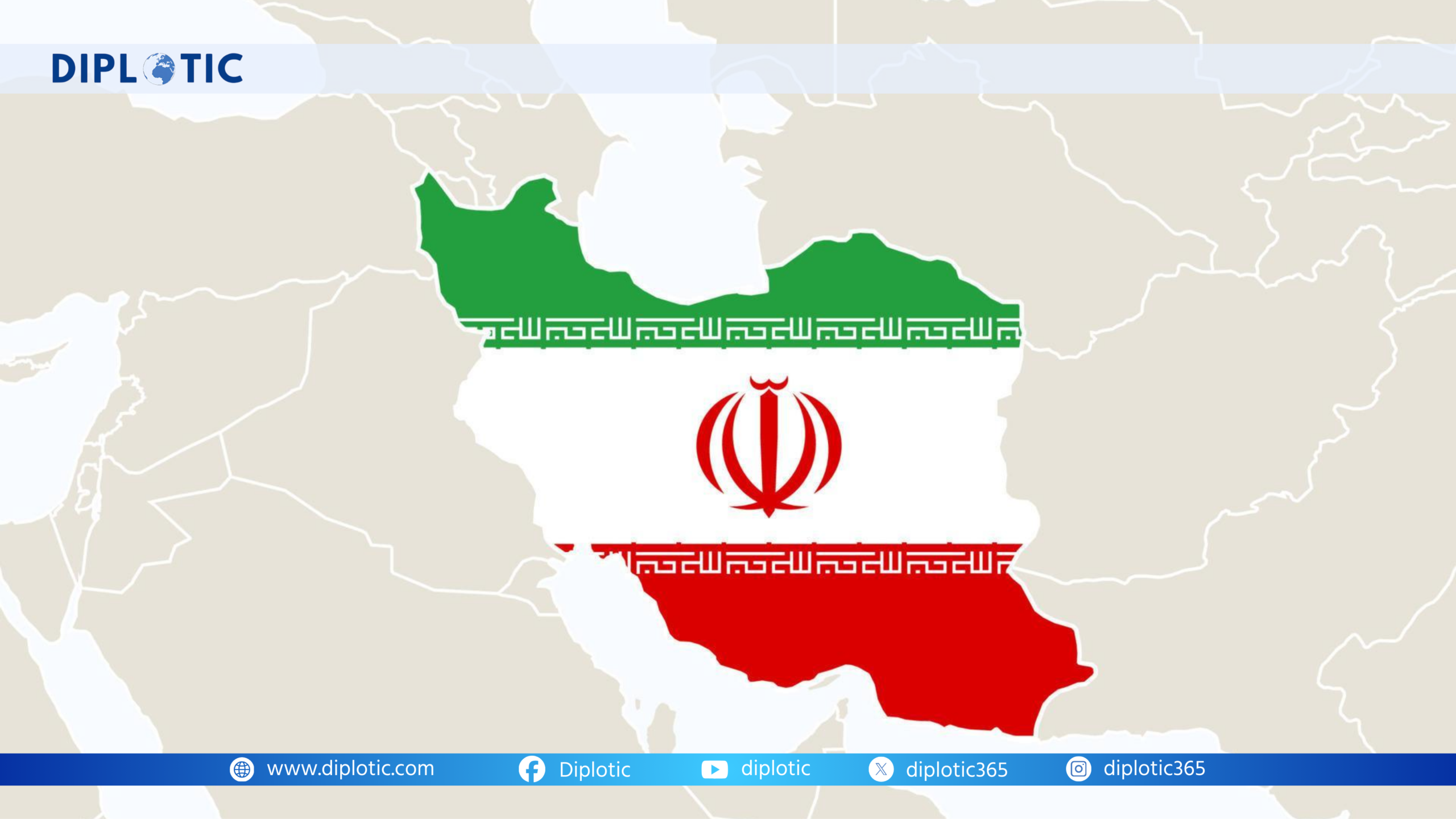
On Wednesday, March 4, panic swept through Asian equity markets. South Korea’s Kospi index headed for its biggest two-day drop since the 2008 financial crisis. Hong Kong, Tokyo, and other major bourses saw heavy selling. At first glance, this reaction to the escalating Iran conflict seemed puzzling. North Asian economies like Japan and South Korea, while dependent on energy imports, have substantial strategic reserves—Japan has an estimated 254 days of oil stockpile, and China holds roughly a year’s worth of Gulf imports . If the Strait of Hormuz closure is prolonged, Europe might face a more immediate energy crisis. So why are Asian markets so vulnerable? The answer lies not in fundamentals but in flows, positioning, and the sudden reversal of trades that had become dangerously crowded. This explainer breaks down what is happening in Asian markets, why currency volatility is spiking, and what it means for investors and economies across the region.
Why Are Asian Markets Selling Off So Sharply?
Often, steep market declines have more to do with flows than with underlying economic fundamentals . Before the Iranian crisis, hot money was flooding into Asia, chasing semiconductor and hard technology plays. Global investors were rotating out of US software companies into Asian AI infrastructure, creating a powerful one-way trade . The narrative was compelling: Samsung and SK Hynix were believed to have entered a years-long super cycle in memory chips, with supply constraints expected to continue until 2027 . TSMC’s strong earnings suggested that US hyperscalers would keep spending, ensuring windfalls for Asian suppliers .
This enthusiasm translated into extraordinary flows. The US$16 billion iShares MSCI South Korea ETF recorded over US$1.2 billion in inflows in the week before the Middle East turmoil—the most in the fund’s 25-year history . In South Korea, retail investors, who for decades had avoided the blue-chip Kospi index, went on a buying spree. The number of active accounts and margin loans both hit record highs . The Asian AI infrastructure trade was getting crowded, and crowded trades are vulnerable to sudden reversals.
When the Iran conflict erupted, the tide began to recede. A sudden strengthening of the US dollar eroded the case for investing in emerging markets. Worries emerged that local benchmark interest rates would have to rise as an extended oil shock pushed up inflation . Higher money market rates increase the cost of margin-financed trading, forcing leveraged investors to unwind positions. The result was a classic rush for the exits, amplified by the sheer volume of capital that had piled into the region.
What Is Happening to Asian Currencies?
Currency markets are reflecting the same anxiety. The US dollar has strengthened broadly as investors seek safety in the world’s primary reserve currency. This dollar strength puts pressure on Asian currencies, which typically weaken when capital flows reverse and when oil import bills rise. The Indian rupee, for example, has been hovering close to its all-time low, trading near ₹88.85 against the US dollar . This reflects both global currency strength and domestic concerns linked to capital outflows .
Currency volatility creates a difficult environment for central banks. A weaker currency adds to imported inflation, particularly for energy and other commodities priced in dollars. This complicates the task of managing inflation just as oil prices are spiking. Central banks face the uncomfortable choice of raising interest rates to support their currencies, potentially slowing growth, or allowing currency depreciation to fuel inflation. Neither option is attractive.
For companies, currency volatility creates uncertainty in earnings, planning, and hedging. Exporters may benefit from a weaker currency, but importers face higher costs. Companies with foreign currency debt see their repayment burdens increase. The aggregate effect is typically negative for equity markets, as uncertainty weighs on investment and consumption decisions.
How Is the Selloff Playing Out Across Different Markets?
The pattern of selling varies across the region but shares common themes. In South Korea, the Kospi’s decline has been the most dramatic, reflecting the extent of prior inflows and the concentration in semiconductor stocks. When the AI trade reverses, Korea feels it first. Japan’s Nikkei has also fallen, though less dramatically, as the yen’s traditional safe-haven status provides some cushion. The stronger dollar actually helps Japanese exporters, partially offsetting broader market weakness .
China presents a more complex picture. While the broader region sold off, the Shanghai Composite inched up 0.2 percent and Hong Kong’s Hang Seng gained about 0.6 percent on Wednesday . This divergence reflects investor hopes for fresh policy support from Beijing. Chinese authorities have tools to stabilize markets that other countries lack, including direct state intervention and control over capital flows. However, China is not immune to the broader forces at work. If the global risk-off sentiment persists, even Chinese markets will feel pressure.
India’s markets opened weak on Wednesday, tracking the negative cues from Asia . The Sensex fell around 146 points to trade near 81,955, while the Nifty50 slipped about 36 points to hover around 25,133 . The market breadth was negative, with nearly all major sectors trading lower. Technology stocks led the decline, hit by US government moves to increase H-1B visa fees and tighten related policies, which could raise costs for Indian IT companies and dampen their overseas competitiveness . Selling pressure was also visible across auto, energy, and banking shares. Out of 16 key sectoral indices, 15 opened in the red, showing the depth of the decline .
Foreign portfolio investors added to the weakness, having pulled out nearly $400 million on Tuesday—the largest single-day outflow this month . This capital flight puts additional pressure on the rupee and forces domestic institutions to absorb selling that foreign investors are initiating.
What Role Is Oil Playing in This Volatility?
Oil is the transmission mechanism connecting the Iran conflict to Asian markets. As tensions escalate and threats to the Strait of Hormuz mount, oil prices have risen. Brent crude briefly hit $82 a barrel on Monday, and analysts warn that prices could go much higher if the conflict intensifies . For oil-importing Asian economies, higher oil prices mean wider trade deficits, higher inflation, and pressure on currencies .
The impact varies by country. India, which imports about 85 percent of its crude requirements, is among the most vulnerable. Every $10 increase in oil prices widens India’s current account deficit by about 0.4 percent of GDP and pushes inflation higher by about 0.3 percentage points . For Japan and South Korea, which are also heavily dependent on oil imports, the effects are similar, though their stronger currencies and larger reserves provide some cushion.
Higher oil prices also feed into corporate earnings. Airlines, shipping companies, and any business with significant transportation costs see margins squeezed. Petrochemical companies face higher input costs. Consumers, facing higher fuel and transportation prices, reduce spending on other goods and services. The cumulative effect is a drag on economic growth.
How Should Investors Interpret This Selloff?
Market analysts suggest viewing this selloff not as a panic but as a painful but healthy cleansing . It de-leverages and chases away momentum-driven speculators who piled into crowded trades without regard for valuation. What remains after the selling subsides will be investors who care about company earnings and reasonable valuations .
After all, upward earnings revisions are a lot stronger in Asia than in the US . The fundamental case for Asian technology companies—the multi-year memory chip cycle, the AI infrastructure buildout, the semiconductor supply chain realignment—has not disappeared. What has changed is the market’s willingness to pay any price for exposure to these themes. Valuations that had become stretched are now contracting, bringing prices back to levels that may attract genuine long-term investors.
The key risk is that the selloff becomes self-reinforcing. Margin calls force liquidations, which drive prices lower, which trigger more margin calls. Foreign investors, seeing losses, redeem from funds, forcing further selling. This dynamic can overshoot to the downside, creating opportunities for patient capital but inflicting pain in the short term.
What Does This Mean for Policymakers?
Asian policymakers face a challenging environment. On one hand, they must manage the immediate fallout from capital outflows and currency pressure. This may require intervention in currency markets, using reserves to smooth volatility rather than defend specific levels. It may require communication strategies to reassure investors and prevent panic from spreading.
On the other hand, policymakers must keep an eye on the longer-term structural trends that underpin Asian growth. The region’s economies are fundamentally stronger than they were during previous crises. Reserves are larger, policy frameworks are more credible, and growth prospects, while moderated, remain positive. The challenge is to navigate the short-term turbulence without undermining long-term potential.
For central banks, the oil shock complicates monetary policy. Higher inflation argues for tighter policy, but slowing growth argues for easier policy. This stagflationary dynamic leaves little room for maneuver. Central banks may need to communicate clearly that they understand the trade-offs and will respond flexibly as conditions evolve.
Conclusion
The panic selling sweeping Asian markets is a reminder that in finance, flows matter as much as fundamentals. The crowded AI trade that had drawn hot money into North Asia created vulnerability to an exogenous shock. When the Iran conflict erupted, the one-way traffic reversed, triggering a selloff amplified by leverage and momentum strategies.
For long-term investors, the selloff may represent opportunity. Asian companies with strong earnings, reasonable valuations, and exposure to durable structural trends will emerge from this volatility. For policymakers, the challenge is to manage the immediate pressures while maintaining focus on longer-term goals. For everyone else, the lesson is that diversification matters, leverage is dangerous, and markets, however sophisticated, remain subject to sudden shifts in sentiment.
As one commentator noted, international diversification has been a major theme this year as global asset managers look to reduce their heavy exposure to US assets . But the one-way traffic into North Asia became so heavy that an exogenous shock thousands of miles away created sharp reversals . Unfortunately, the “Sell America” trade has morphed into a blanket selling of Asian assets . The coming days will test whether this is a temporary dislocation or the beginning of a more sustained shift. For now, Asian markets remain nervous, and with good reason.




