

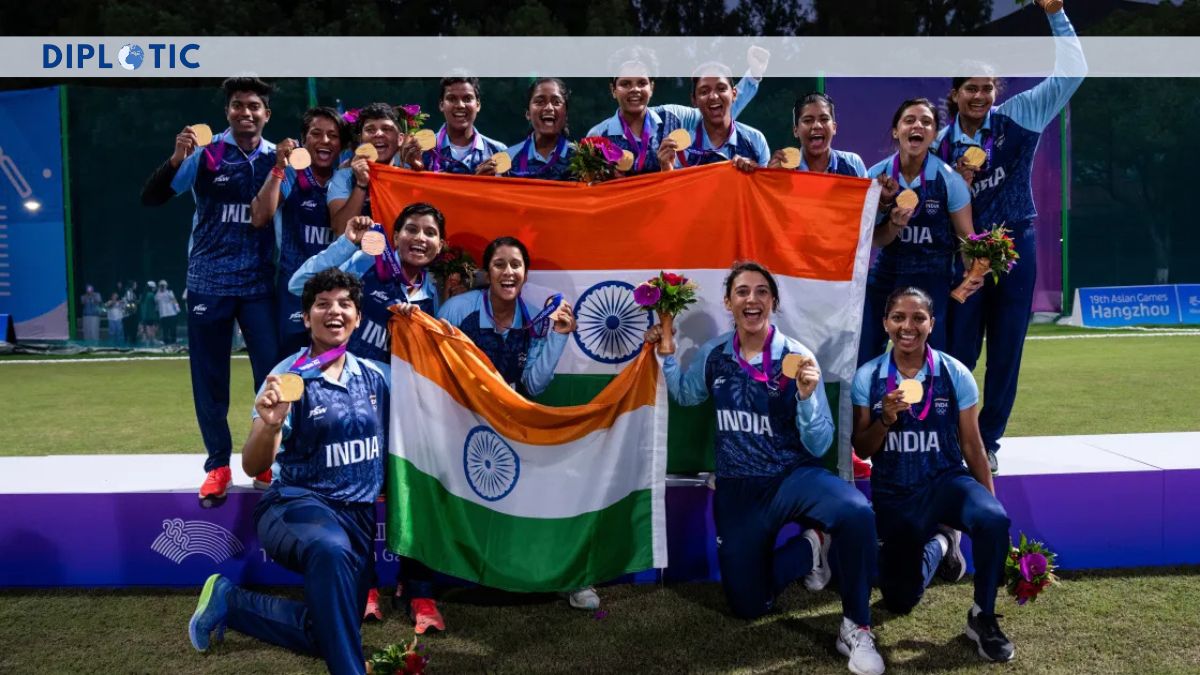
Women’s cricket in South Asia is experiencing a historic rise, fueled by record-breaking leagues, iconic players, booming sponsorships, and massive digital viewership, reshaping the future of global cricket.
A Game-Changing Revolution in South Asian Cricket
For decades, cricket in South Asia was overwhelmingly dominated by men’s competitions. Stadiums roared for iconic male cricketers, television ratings soared during high-profile series, and sponsorship money flowed primarily into men’s tournaments. Today, however, a powerful and unstoppable shift is underway. Women’s cricket across South Asia is capturing new audiences, commanding record-breaking viewership, and inspiring a generation of young athletes.
From packed stadiums in India to rising grassroots programs in Bangladesh and Sri Lanka, the surge is both cultural and commercial. The transformation is not accidental; it is the result of strategic investment, breakthrough performances, and the rise of fearless female athletes redefining the sport.
India’s Dominance and the Power of Visibility
No discussion about South Asia’s sporting surge can begin without acknowledging the influence of Board of Control for Cricket in India. The BCCI’s increased financial backing and structured contracts for women cricketers have dramatically elevated the standard and visibility of the game.
The launch of the Women’s Premier League marked a revolutionary milestone. Designed as a high-impact franchise tournament, the league mirrored the commercial success model of the men’s Indian Premier League. The result was explosive. Record-breaking broadcasting deals, packed venues, and millions of digital viewers signaled a new era for women’s cricket.
The league not only created financial opportunities but also offered young players exposure to elite competition. International stars sharing dressing rooms with domestic talent accelerated skill development and raised global competitiveness.
Iconic Athletes Inspiring a New Generation
Every sporting revolution needs heroes, and women’s cricket in South Asia has found its trailblazers. Players like Mithali Raj, Harmanpreet Kaur, and Smriti Mandhana have become household names. Their fearless performances in global tournaments shattered stereotypes and proved that women’s cricket could deliver drama, intensity, and elite skill at the highest level.
Harmanpreet Kaur’s explosive batting displays in ICC tournaments became viral moments that drew millions of new viewers. Smriti Mandhana’s elegant stroke play combined with aggressive intent captivated both traditional cricket fans and younger digital audiences.
Beyond India, Bangladesh’s progress in women’s cricket has also been significant. The Bangladesh Cricket Board has expanded development pathways, leading to competitive international performances that boosted national pride.
In Sri Lanka, the influence of players like Chamari Athapaththu has been transformative. Her match-winning innings on global stages have elevated the profile of Sri Lankan women’s cricket and attracted fresh sponsorship interest.
Record-Breaking ICC Tournaments
International competitions have played a pivotal role in accelerating this surge. Events organized by the International Cricket Council have delivered record-breaking digital engagement and television ratings across South Asia.
Women’s T20 World Cups and ODI World Cups have consistently drawn millions of viewers from India, Pakistan, Sri Lanka, and Bangladesh. Social media engagement around these tournaments has skyrocketed, fueled by short-form video highlights, behind-the-scenes access, and player-driven storytelling.
The accessibility of streaming platforms has further amplified reach. Younger audiences, particularly Gen Z viewers, are discovering women’s cricket through mobile devices rather than traditional television broadcasts. This digital-first consumption pattern has expanded the sport’s footprint far beyond conventional fan bases.
Cultural Shift: Breaking Barriers and Redefining Norms
The surge in women’s cricket is not just about statistics; it represents a profound cultural shift. For years, societal expectations limited female participation in competitive sports across parts of South Asia. Today, that narrative is changing dramatically.
Parents are increasingly encouraging daughters to pursue cricket professionally. Schools and academies are investing in women’s teams. Media coverage has shifted from novelty reporting to serious analysis of tactics, performance metrics, and player development.
This transformation is empowering. Young girls now see visible role models performing on international stages. Representation has created aspiration, and aspiration is fueling participation numbers at grassroots levels.
The Commercial Boom: Sponsors and Broadcasters Take Notice
Corporate brands are recognizing the commercial potential of women’s cricket. Major sponsors are aligning with female athletes who represent resilience, ambition, and modern leadership. Advertising campaigns now feature women cricketers as central figures rather than supporting narratives.
Broadcast networks have reported impressive engagement figures during women’s tournaments. Advertisers, drawn by strong viewership and a loyal fan base, are investing aggressively. The financial ecosystem surrounding women’s cricket in South Asia is expanding at a remarkable pace.
This commercial confidence reinforces sustainability. When leagues generate revenue and players receive professional contracts, the sport transitions from passion-driven participation to a viable long-term career pathway.
Pakistan and Emerging Growth Markets
While India leads the surge, Pakistan’s women’s cricket movement is steadily growing under the guidance of the Pakistan Cricket Board. Structured domestic tournaments and increased international exposure have improved competitiveness.
Emerging growth markets such as Nepal and Afghanistan are also witnessing rising interest in women’s cricket. Though still in developmental stages, grassroots enthusiasm and regional tournaments suggest strong long-term potential.
The collective regional momentum is reshaping South Asia into a powerhouse for women’s cricket development.
Grassroots Infrastructure and Talent Pipelines
A critical factor behind this surge is infrastructure expansion. Cricket academies dedicated to female athletes are multiplying across urban and semi-urban areas. Coaching certifications and talent scouting programs are identifying promising players at younger ages.
Government initiatives and private partnerships are building high-performance centers that provide access to nutrition, sports science, and advanced analytics. These investments are narrowing the gap between men’s and women’s training environments.
Data analytics is also playing a growing role. Performance tracking, video analysis, and fitness monitoring are enhancing strategic preparation. South Asia’s women cricketers are now competing with the same technological advantages as their global counterparts.
Social Media: The Catalyst for Viral Popularity
One of the most dynamic drivers of this sporting surge is social media. Platforms like Instagram, YouTube, and X have allowed players to build personal brands and connect directly with fans.
Short highlight clips, inspirational training stories, and candid behind-the-scenes moments humanize athletes and foster emotional loyalty. Viral batting performances and match-winning spells spread instantly across digital networks, attracting non-traditional cricket audiences.
This direct engagement has transformed women cricketers into influential public figures, amplifying their reach far beyond stadium boundaries.
The Road Ahead: A Golden Era in the Making
The trajectory of women’s cricket in South Asia suggests that this surge is not temporary. Continued investment in leagues, grassroots systems, and international exposure will likely deepen audience engagement.
Future ICC tournaments are expected to deliver even higher viewership numbers. Franchise leagues may expand, attracting global talent and further increasing competitiveness. Sponsorship ecosystems will likely mature, ensuring financial stability.
Most importantly, cultural perceptions are evolving permanently. Women’s cricket is no longer viewed as secondary; it is celebrated as elite sport capable of delivering unforgettable drama and world-class skill.
Conclusion: A Sporting Renaissance
South Asia’s sporting surge in women’s cricket represents a powerful convergence of talent, investment, digital reach, and cultural transformation. What began as incremental progress has become a dynamic movement redefining the region’s cricketing identity.
From iconic athletes and franchise leagues to record-breaking ICC tournaments and grassroots empowerment, women’s cricket is capturing hearts and commanding global attention. The revolution is authentic, sustainable, and accelerating.
The roar of the crowd is growing louder and this time, it echoes for a new generation of champions.




