

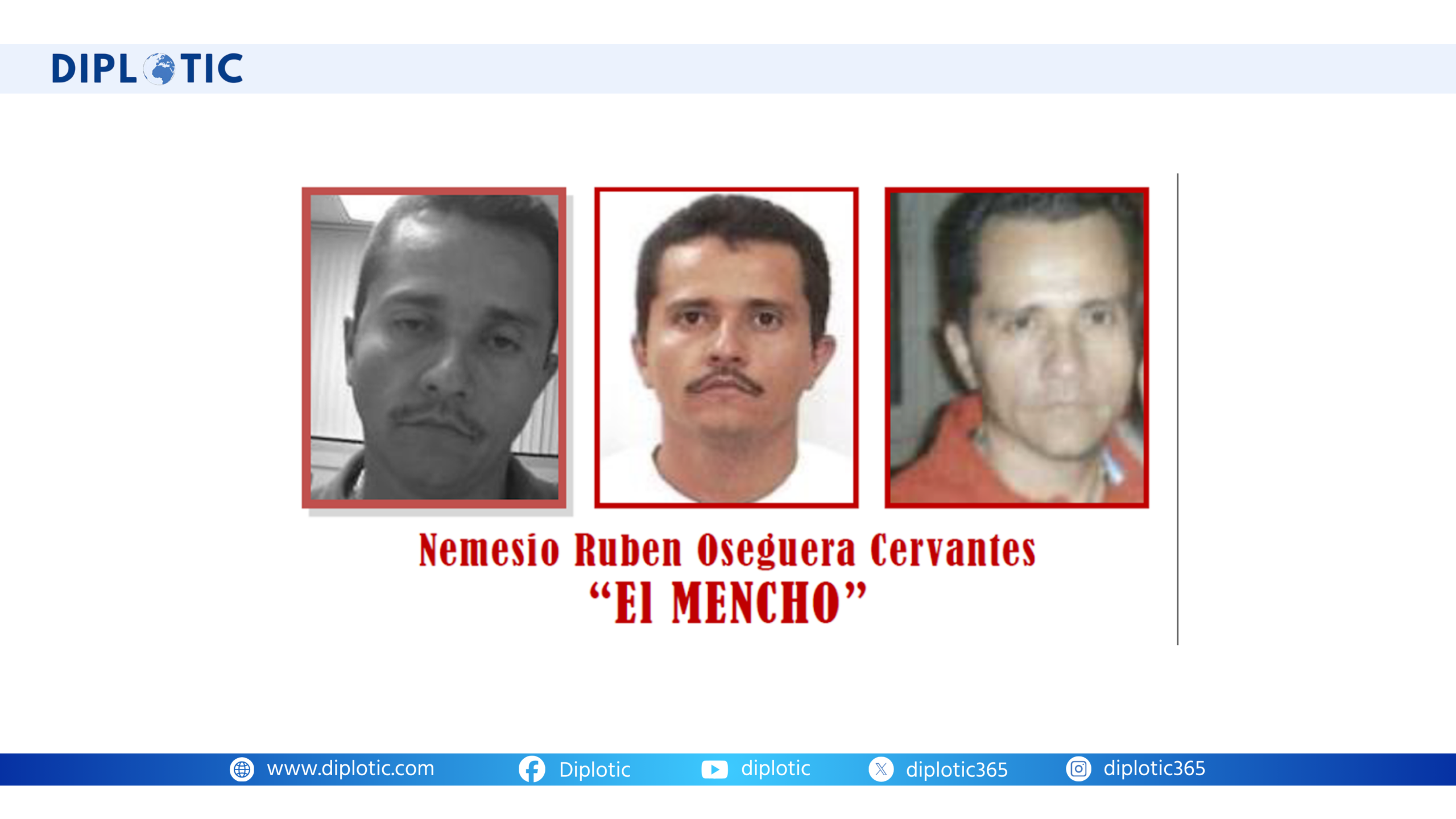
The recent killing of Nemesio Oseguera Cervantes, widely known as El Mencho, has sent shockwaves through Mexico and beyond. As the leader of the Jalisco New Generation Cartel, El Mencho was one of the most powerful and elusive figures in organized crime, controlling a sprawling network involved in drug trafficking, extortion, and violent territorial disputes. His death marks a pivotal moment in Mexico’s ongoing battle with cartels, yet the implications extend far beyond the immediate law enforcement triumph. Analysts warn that the aftermath could reshape regional security, affect international drug flows, and increase risks for neighboring countries and global markets linked to organized crime.
El Mencho’s death represents both a symbolic and operational shift. For years, his leadership ensured a level of coordination within the cartel that allowed it to maintain dominance in multiple Mexican states. Under his command, the cartel consolidated territory, controlled distribution networks, and even leveraged political influence to protect operations. Removing a leader of this magnitude creates a vacuum, but not necessarily stability. Historically, when top cartel figures are eliminated, splinter factions emerge, and violence often intensifies as rival leaders vie for control. Cities like Guadalajara, Tijuana, and parts of Michoacán are already reporting heightened tensions, including armed confrontations and targeted attacks on local officials. This pattern suggests that Mexico’s internal security challenges may worsen before improving.
The regional consequences are significant. Cartels operate across borders, and the destabilization of one network affects others throughout Latin America. Central American nations, particularly Guatemala, Honduras, and El Salvador, are closely monitoring the situation. Migration flows may increase as communities flee areas of conflict, while local security forces face pressure from both criminal actors and civil populations. Meanwhile, law enforcement agencies in the United States, which has long been a target market for cartel trafficking, are adjusting intelligence operations to anticipate shifts in smuggling routes and potential retaliatory activity. The ripple effects underscore how a single high-profile cartel killing can trigger a cascade of regional security challenges.
Beyond immediate violence, El Mencho’s death raises questions about cartel resilience and adaptability. Mexican authorities have repeatedly targeted cartel leaders over the past two decades, yet organized crime remains pervasive. Experts note that the underlying structures—local alliances, financial networks, and clandestine logistical systems—are not easily dismantled by the removal of a single leader. In some cases, eliminating a central figure accelerates the decentralization of operations, making enforcement more complex. Smaller cells may adopt more covert methods, increasing risks for both law enforcement and civilians. The global nature of narcotics markets also means that shifts in supply chains can influence prices, trafficking methods, and demand patterns internationally, drawing attention from foreign governments and multinational security agencies.
Political implications in Mexico are intertwined with public perception and governance challenges. The government’s handling of cartel activity has long been a point of domestic debate. The capture or killing of a figure like El Mencho is often presented as evidence of state authority and law enforcement effectiveness. Yet if subsequent violence escalates or public safety declines, political credibility can suffer. Local communities, particularly those directly impacted by cartel operations, may experience heightened fear, disrupting economic activity, education, and civic life. Additionally, international observers are monitoring Mexico’s ability to maintain rule of law and ensure that anti-cartel operations do not inadvertently violate human rights or exacerbate corruption.
Looking ahead, the global implications cannot be ignored. The transnational nature of drug trafficking ensures that shifts in one country affect networks elsewhere. U.S. agencies, European intelligence, and international narcotics control boards are tracking potential changes in production routes, smuggling corridors, and market dynamics. Financial crime, money laundering, and arms trafficking linked to cartels are also areas of concern. Governments must anticipate that destabilization in Mexico could prompt opportunistic criminal activity abroad, requiring coordinated cross-border intelligence sharing and law enforcement cooperation.
El Mencho’s death is a turning point, but it is not the end of the cartel problem. The event illustrates the fragility and adaptability of organized crime networks. While law enforcement gains a tactical victory, the strategic challenges of governance, regional stability, and international security remain. Communities living under cartel influence, national governments, and international partners must navigate the immediate risks of violence while planning for longer-term systemic reforms. The way Mexico and its neighbors respond in the coming months will determine whether this moment leads to a measurable reduction in organized crime or simply reshapes its operations in more unpredictable and dangerous ways.
Ultimately, the killing of El Mencho underscores the interconnected nature of modern security threats. A single leader’s demise reverberates through local, regional, and global layers, affecting public safety, migration, political stability, and international crime control efforts. As governments assess intelligence, strengthen law enforcement, and support affected communities, the world watches closely. The outcome will not only reflect Mexico’s capacity to confront organized crime but will also test regional cooperation and the global commitment to addressing the enduring challenges posed by transnational criminal networks.




