

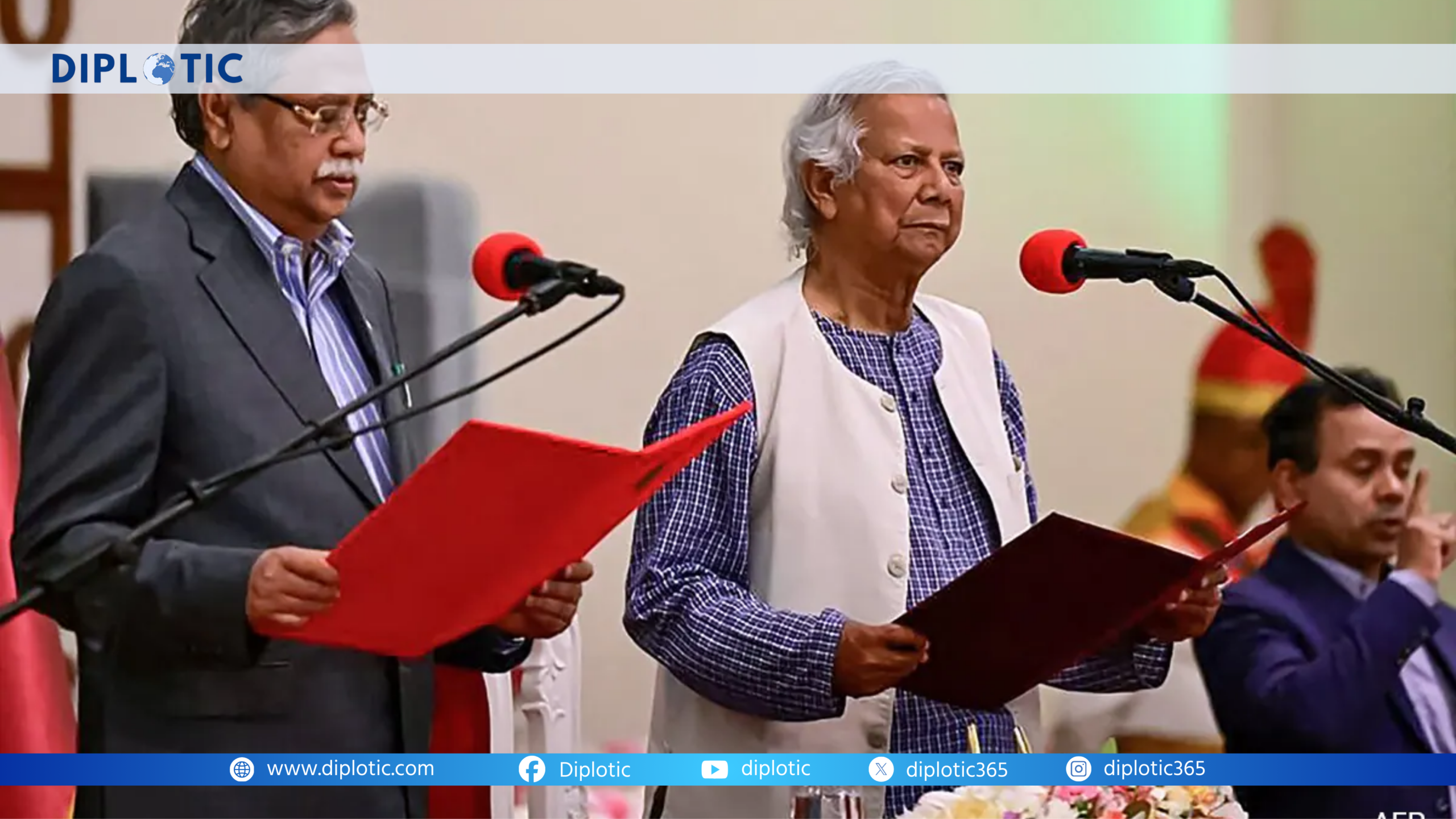
In a recent interview published on February 23, 2026, Bangladesh President Mohammed Shahabuddin made strong claims against Nobel laureate Muhammad Yunus, who served as chief adviser of the interim government from August 2024 to February 2026. Shahabuddin accused Yunus of trying to remove him through means outside the constitution, blocking his foreign trips, and ignoring key state duties. He described himself as a “palace prisoner” during Yunus’s time in charge, suggesting a period of isolation and conspiracy. The interview came days after Tarique Rahman’s new government took office following the February 12 elections, where the Bangladesh Nationalist Party won a strong majority. These allegations raise questions about power struggles during the transition after Sheikh Hasina’s ouster in 2024. They also point to possible rifts between the presidency and the interim setup. As Bangladesh settles into its new administration, the president’s words invite a closer look at whether these claims hold up or if they reflect deeper political tensions. The story could affect public trust in recent leaders and shape views on the country’s path to stability.
What Exactly Did the President Accuse Yunus Of?
President Shahabuddin spoke openly in his interview with Kaler Kantho at Bangabhaban, his official residence in Dhaka. He said that over the past one and a half years, he faced many conspiracies aimed at him, even though he stayed out of public discussions. He claimed efforts were made to destroy the country’s peace and create a vacuum in the constitution. Shahabuddin pointed directly at Yunus for not following rules set by the constitution. He said Yunus traveled abroad 14 to 15 times but never informed him before or after, either in person or in writing. This, he added, broke a basic duty for the chief adviser.
Shahabuddin also said Yunus did not share details about 133 ordinances passed during his time. He agreed some might have been needed due to the situation after Hasina’s exit, but so many were not right. On a major agreement with the United States signed just before elections, the president said he knew nothing about it. He stressed that such deals should have been shared with him as part of his role. These points paint a picture of a leader kept in the dark on key matters.
The strongest claim was about a plot to replace him. Shahabuddin said a conspiracy tried to bring in a former chief justice to take his place without following the law. He noted the judge turned it down because of constitutional rules. This accusation suggests a serious attempt to change leadership outside normal ways. Shahabuddin linked these actions to a larger plan to weaken the country. His words come from a time when the interim government focused on reforms after the 2024 uprising. Yunus, known worldwide for his work with microfinance, led efforts to hold fair elections and fight corruption. Yet the president’s view shows a different side, one of exclusion and hidden moves. These claims need checking against records from that period, but they highlight possible gaps in how power was shared.
How Did the Interim Government Allegedly Sideline the President?
Shahabuddin described his time under Yunus as one of limited power. He said he became like a prisoner in his own palace, with little say in state affairs. Two planned foreign trips—to Kosovo and Qatar—were stopped by the interim team. He saw this as a direct block on his duties. The president also said the chief adviser did not meet him to discuss outcomes from travels or other decisions. This lack of contact went against what past leaders did, he noted.
The interim government took office after protests forced Hasina out in August 2024. Yunus stepped in to guide the country toward elections, promising changes in laws, economy, and security. During this time, the president stayed in his role but seemed pushed aside. Shahabuddin said he got support from the army chiefs and the Bangladesh Nationalist Party. The military leaders told him they saw his position as key to their own strength. He credited them for helping keep order during tough times.
Related angles show why this matters. Bangladesh’s constitution gives the president formal powers, like approving ordinances and representing the state abroad. If ignored, it could weaken the system’s balance. Yunus’s team focused on quick reforms to fix issues from Hasina’s rule, like unfair elections and rights abuses. But if they bypassed the president, it might have created gaps in legal steps. Records from that period could show if communications happened or not. The claims also tie to wider debates on how interim governments work in crises. In Bangladesh’s history, such setups have sometimes led to power struggles. This case adds to that pattern, raising concerns about respect for roles during change.
What Role Did Protests and Conspiracies Play in the Drama?
Shahabuddin pointed to October 22, 2024, as a key moment. He called it a terrifying night when crowds gathered outside Bangabhaban. He claimed mobs were brought in to cause chaos and loot the residence. The situation calmed only after the army stepped in. This event, he said, was part of larger efforts to create unrest and a leadership gap.
The protests fit into the broader unrest after Hasina’s fall. Student-led movements pushed for reforms, but some turned violent or targeted symbols of power. Shahabuddin’s account suggests these were aimed at him to force change. He linked it to the conspiracy with the former chief justice, saying it was a way to remove him without elections or legal steps.
Different views add depth. Some see the protests as real anger from people wanting full change after years of one-party rule. Others think they were used by groups to gain power. The army’s role in calming things shows their influence in crises. In Bangladesh, the military has stepped in before, like in 2007, to back caretaker governments. Here, Shahabuddin says they supported him to keep the constitution intact. This raises questions about who held real power during Yunus’s time. The claims of plots point to hidden fights among leaders. If true, they show risks in transitions without clear rules. If not, they might be a way for the president to defend his role after the change.
What Are the Political and National Implications of These Allegations?
The president’s words come right after the new government under Tarique Rahman took charge. The Bangladesh Nationalist Party won 209 of 297 seats in the February 12 elections, marking a big shift. Shahabuddin’s support from the BNP during his troubles suggests ties that helped him stay in place. His claims against Yunus could help the new team distance itself from the interim period and focus on their plans.
Nationally, the allegations could hurt trust in recent leaders. Yunus was seen as a neutral figure to guide reforms after Hasina. If people believe he ignored the constitution, it might question the fairness of that time. On the other hand, if seen as political attacks, it could divide views more. Bangladesh needs unity after 2024’s unrest to build stable systems.
Broader effects touch foreign ties. The U.S. agreement mentioned was likely part of wider talks on aid and security. Not informing the president raises legal questions about such deals. For the country, it shows the need for clear rules in transitions. Past caretaker governments faced similar issues, leading to calls for better laws.
The president’s allegations against Yunus connect a time of change to ongoing debates on power and rules in Bangladesh. From claims of isolation and plots to the role of protests and the army, they highlight tensions in the interim period. As the new government settles in, these stories could shape how people see the path to elections. If proven, they point to risks in leadership gaps; if not, they might fuel more division. The country’s stability depends on addressing these openly, ensuring future transitions follow clear paths.




