

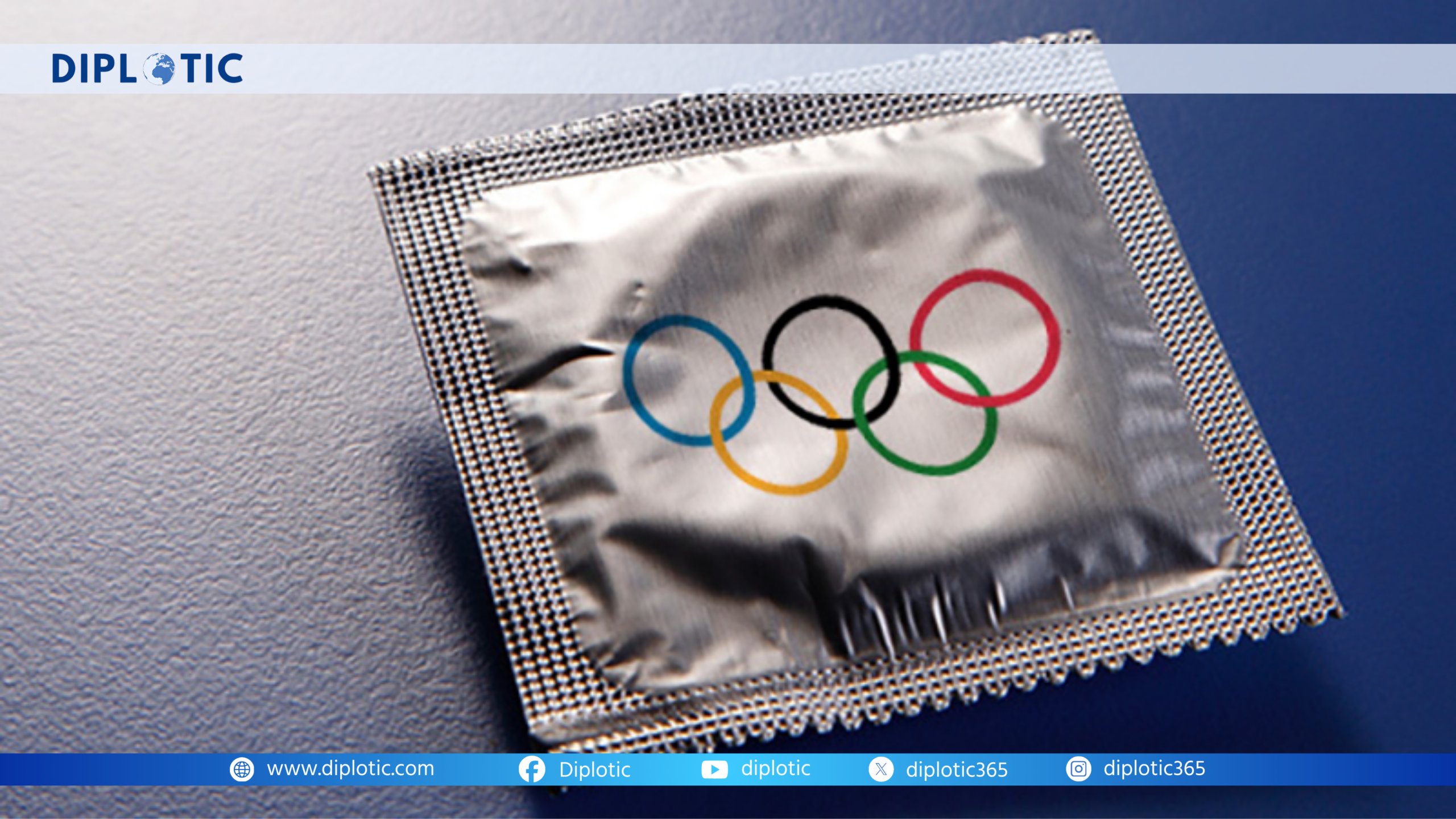
The Winter Olympics are often celebrated for speed, skill, and national pride. From snowboarding halfpipes to cross-country skiing, the focus is usually on athletic performance and medal counts. Yet, in recent years, one unusual topic has gained attention: condom use among athletes. At first glance, it may seem sensational or trivial, but the story reflects deeper cultural, health, and institutional realities that deserve careful examination. Beyond headlines and jokes, understanding why condoms are distributed and used at the Games provides insights into athlete wellbeing, the pressures of elite competition, and longstanding Olympic practices.
Athlete Wellbeing and Sexual Health
Athletes at the Olympics face intense physical and mental demands. Long training cycles, strict diets, and high-pressure competitions leave little room for personal life. The organizers, recognizing that athletes are away from home for weeks and often housed in communal settings, provide resources to maintain their overall health, including sexual health. Condoms are offered in athlete villages not as a scandalous novelty, but as part of a broader commitment to safe behavior.
Sexual activity can have real implications for performance and health. Unprotected sex carries the risk of sexually transmitted infections (STIs), which could impact an athlete’s ability to compete. In addition, intimate relationships in the village are often fleeting, and education about consent and protection is essential. Providing condoms openly helps normalize responsibility without shaming athletes, acknowledging that sexual activity is part of adult life even in the structured world of elite sport.
Cultural attitudes toward sexual health differ across countries. For some athletes, open distribution of condoms in a public setting may seem uncomfortable, while for others it is routine. The Olympic organizers’ approach balances discretion with availability, signaling that health resources are a standard part of athlete care rather than a controversial gesture. By considering wellbeing holistically, the Olympics recognize that physical and mental preparation includes safe management of personal relationships.
Olympic Traditions and Community Life
The Olympic Games have a long history of balancing competition with communal living. Since the modern Games began in 1896, athletes have been housed together in villages designed to foster cultural exchange, camaraderie, and a sense of global community. These villages create unique social environments where athletes from very different backgrounds interact closely.
Sexual relationships naturally emerge in these environments. Providing condoms is consistent with the principle that the Olympic village is a space for responsible adult interaction. It also reflects a pragmatic understanding of human behavior. Instead of attempting to police relationships or ignore them, organizers aim to reduce risks and promote respect for consent and personal boundaries.
Beyond health, the practice reflects the evolution of Olympic values. The Games have increasingly recognized the full human experience of athletes, moving beyond pure physical performance to include mental health, nutrition, and overall safety. Condom distribution is one visible symbol of this broader care infrastructure, alongside medical clinics, mental health support, and anti-doping education. It underscores that preparing athletes for competition involves more than strength and skill—it also requires supporting the social and personal dimensions of life during the Games.
Culture, Perception, and Media Attention
Media coverage of condom use at the Olympics often frames it as a curiosity or a sensational story. Headlines emphasizing numbers of condoms or joking about promiscuity can overshadow the real purpose behind the policy. This sensational framing risks reinforcing stereotypes and distracting from important discussions about athlete health and cultural differences.
Cultural attitudes toward sexuality, public health, and privacy shape how athletes and audiences interpret condom distribution. In some countries, open discussion about sexual health is normal; in others, it remains taboo. The Olympics, as a global event, must navigate these differences carefully. The practice of providing condoms in the village is designed to be unobtrusive, ensuring that athletes have access without feeling pressured or exposed.
By looking beyond the shock value, the story becomes a reflection of responsible leadership in sport. It highlights how institutions can address sensitive topics in ways that respect individual autonomy while promoting safety. It also raises questions about broader sexual health education, both for athletes and the global audience that follows the Games. When the focus shifts from scandal to context, the discussion becomes relevant to public health, human behavior, and cultural understanding.
Conclusion: Beyond Headlines, Toward Understanding
The presence of condoms at the Winter Olympics is more than a quirky anecdote—it is a practical and culturally aware policy aimed at athlete wellbeing. It reflects a thoughtful approach to sexual health, acknowledging the pressures of competition, communal living, and personal freedom. Condoms in the village are part of a wider strategy to support athletes physically, mentally, and socially, consistent with the evolving values of the Olympic movement.
By examining the story beyond media exaggeration, it becomes clear that this is about more than numbers or humor. It is about preparing athletes for the full reality of life in elite sport. It also signals the Olympics’ commitment to integrating health, culture, and personal responsibility into a global event watched by millions. In this light, the story of condom use is not a distraction—it is an example of how institutions can address human behavior responsibly, even under the intense spotlight of international competition.




