

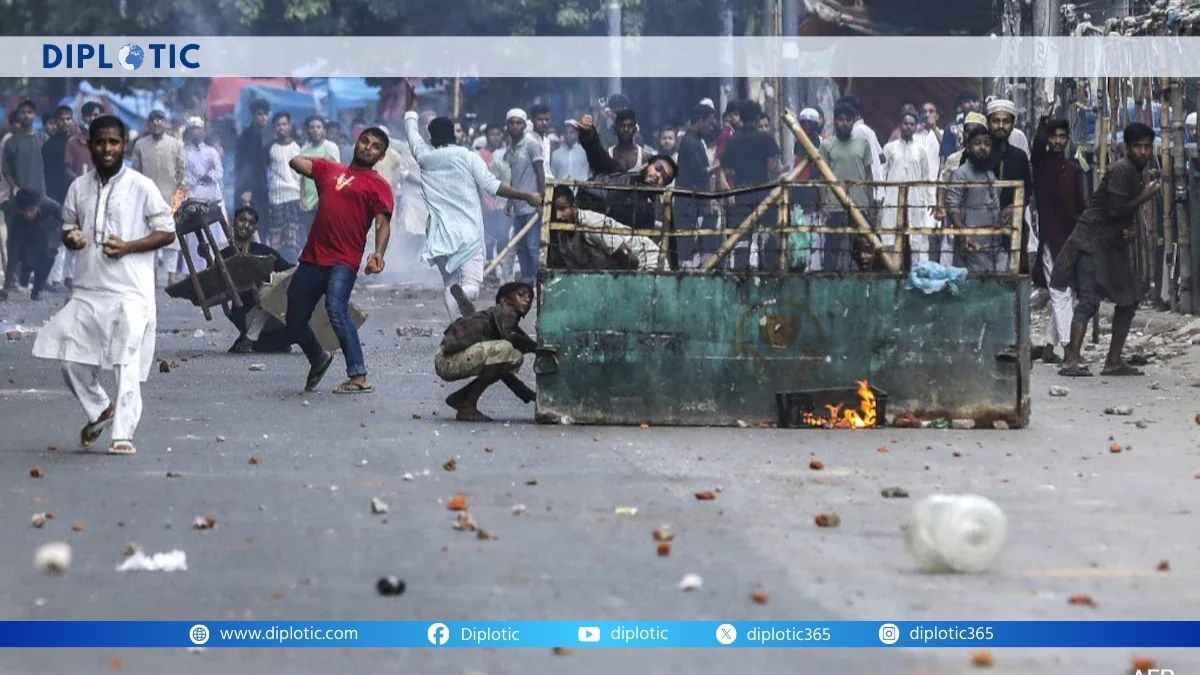
Bangladesh heads toward its February 12, 2026, national elections amid careful preparations and growing concerns. Ballot papers have reached 116 out of 300 constituencies, with the rest expected by February 7. Campaigning ends at 7:30 am on February 10, and postal voting from abroad and within the country is on track. Yet Election Commission Senior Secretary Akhtar Ahmed identified disinformation as the single biggest challenge ahead. Speaking to journalists on February 6 after meeting a European Union delegation, he explained that the commission is working to manage the situation in a respectful way. The EC has asked Meta to remove offensive, derogatory, and false content rather than slowing internet speeds or using heavy-handed measures. This focus on information integrity comes as the country seeks a credible vote after a turbulent transition. With 1,051 executive magistrates deployed from February 8 to 14 and BNCC members assisting, the commission aims for smooth conduct. Still, the spread of misinformation online raises questions about how it could affect voter trust, turnout, and fairness in a high-stakes election.
How Are Election Preparations Progressing on the Ground?
The Election Commission has made steady advances in logistics. Ballot papers for most constituencies are now dispatched, though delays occurred in some areas due to court rulings that reinstated candidates. These required reprinting and updates, but Akhtar Ahmed confirmed the remaining papers would arrive by February 7. This ensures materials reach returning officers in time for polling.
Postal voting shows strong progress. From abroad, 107,168 ballots have reached returning officers. In-country and overseas combined, 379,924 ballots arrived at the Bangladesh Post Office. Another 444,952 were deposited in mailboxes worldwide, with 211,122 already completed. Acceptance continues until 4:30 pm on February 12. Additionally, 6,091 inmates in legal custody registered for postal ballots, reflecting efforts to include all eligible voters.
Security and oversight are in place. Executive magistrates will monitor from February 8 to 14, handling complaints and ensuring order. Bangladesh National Cadet Corps members will support duties, adding manpower for a peaceful process. These steps address past concerns about violence and irregularities. The commission’s coordination with agencies aims to prevent disruptions, especially in sensitive areas.
Why Has Disinformation Emerged as the Primary Threat?
Akhtar Ahmed highlighted disinformation as the top issue, noting discussions with Meta to tackle it directly. The commission requested removal of derogatory comments, offensive material, and false information rather than broader internet restrictions. This approach avoids limiting access while targeting harmful content. The concern stems from how quickly false narratives can spread online, influencing perceptions of candidates, parties, and the process itself.
In Bangladesh’s context, social media plays a major role in shaping opinion. Past elections saw rumors about rigging, violence, or candidate disqualifications fuel unrest. With the 2024 uprising fresh in memory, trust in institutions remains fragile. Misinformation could deepen divisions, discourage turnout, or incite protests if voters believe results are manipulated. The EC’s choice of targeted removals over speed throttling shows a preference for precision, though enforcement depends on platform cooperation.
Broader factors amplify the risk. Polarized politics, active youth on digital platforms, and external influences create fertile ground for false claims. The commission’s engagement with Meta signals proactive steps, but success relies on swift action and clear guidelines. Without effective control, disinformation could overshadow logistical successes and undermine confidence in the vote.
What Measures Are in Place to Ensure a Credible and Peaceful Election?
The EC has deployed a multi-layered framework for oversight. Executive magistrates will address complaints and maintain order nationwide. BNCC assistance adds trained support for polling stations and logistics. Postal voting inclusion ensures broader participation, with clear deadlines and tracking.
International observation, including the EU delegation’s visit, brings external scrutiny. Their meeting with Akhtar Ahmed focused on preparations, signaling global attention. Domestic stakeholders, from parties to civil society, monitor closely after the 2024 transition.
The commission emphasizes transparency and restraint. Avoiding heavy internet curbs preserves open discourse while addressing harms. This balance aims to protect credibility without alienating voters. Security plans cover sensitive constituencies, drawing from past lessons on violence risks.
These measures reflect intent to deliver a fair process. Yet challenges remain: disinformation’s speed outpaces moderation, and public trust depends on visible impartiality. Strong implementation will be key.
Bangladesh’s election preparations connect a turbulent recent past to hopes for a stable democratic step forward. With ballots dispatched, postal voting advancing, and security in place, the focus turns to information integrity. Disinformation stands out as the main threat, capable of eroding confidence in an otherwise organized process. The EC’s approach—targeted content removal and inter-agency coordination—aims to counter it without overreach. Success will depend on swift enforcement and public faith in fairness. As February 12 approaches, the outcome will shape perceptions of progress since 2024, testing whether institutions can deliver a credible vote amid digital pressures. The coming days will show if preparations hold firm against misinformation’s reach.




