

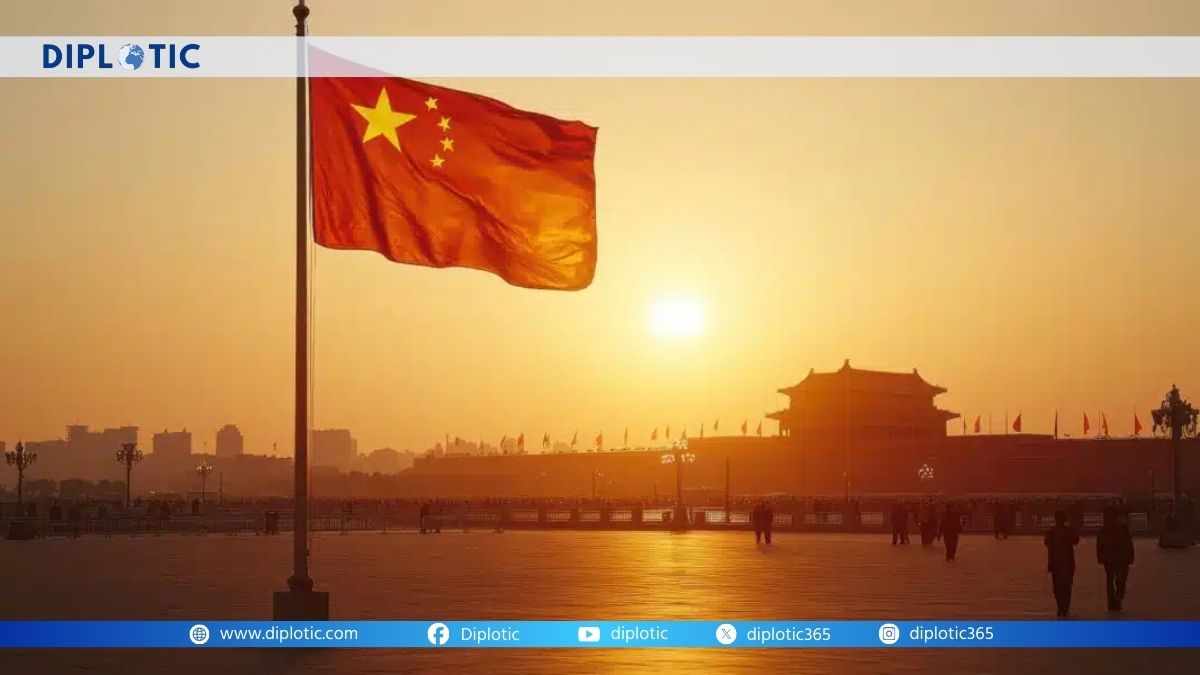
In a quiet but significant meeting in Washington, the world’s economic landscape shifted. On February 4, 2026, the United States, the European Union, and Japan formally unveiled a strategic partnership aimed at one of the most crucial battlegrounds of modern industry: critical minerals. This alliance, born from years of growing anxiety, is a direct response to China’s overwhelming dominance in mining and processing the metals essential for everything from electric vehicles to fighter jets. The partnership is not merely a statement of intent. It promises coordinated trade policies and novel mechanisms like border-adjusted price floors, tools designed to build alternative supply chains and reduce decades of dependency. This move signals that Western nations are moving beyond concern to concrete, collective action, acknowledging that economic security and national security are now inextricably linked to the flow of these unglamorous but vital resources.
Why Are These Minerals So Critical Now?
The term “critical minerals” encompasses a group of elements—like lithium, cobalt, nickel, and rare earths—that are the building blocks of the clean energy and digital revolutions. There is no modern smartphone, wind turbine, or electric car battery without them. For years, the global supply chain for these materials has been concentrated. China, through strategic investments and control over processing facilities, commands a dominant position, supplying over 80% of some rare earth elements. This control became a palpable geopolitical tool in 2025 when Beijing introduced new restrictions on rare earth exports. The move sent shockwaves through manufacturing hubs from Detroit to Stuttgart to Tokyo, highlighting a acute vulnerability. It underscored a simple, frightening truth: the future of Western industries could be held hostage by the flow of minerals from a single, strategic competitor. This realization has turned critical minerals from an industrial concern into a top-tier priority for economic and defense planners.
What Does This New Partnership Actually Propose to Do?
The agreement, announced by the U.S. Trade Representative’s office, is structured around two main pillars. The first is a deepening of bilateral cooperation, specifically a push for a U.S.-EU memorandum of understanding. This MOU would aim to jointly identify and financially support projects across the entire supply chain—from mining to refining, processing, and recycling. The goal is to use combined economic heft to stimulate demand for non-Chinese minerals and actively diversify supply sources, making new mines and facilities more financially viable. The second, and more innovative, pillar is a multilateral trade initiative. This is where concepts like “border-adjusted price floors” come into play. A price floor sets a minimum cost for imports, which could protect Western mining projects from being undercut by cheaper, subsidized Chinese materials. It is a defensive trade tool meant to ensure nascent alternative supply chains can survive their infancy. The separate U.S.-Mexico cooperation plan announced the same day shows this model is intended to be expanded to other “like-minded” nations, building a web of secure trade.
What Are the Potential Hurdles and Global Impacts?
Building a new supply chain from the ground up is a monumental task, fraught with challenges. Mining and processing are capital-intensive, environmentally sensitive, and slow to come online. Western nations will have to navigate complex domestic regulations and often fierce local opposition to new mining projects. The proposed price floor mechanisms, while theoretically protective, could also raise costs for manufacturers in the short term, potentially making end products like electric vehicles more expensive for consumers. Furthermore, this coordinated action will undoubtedly be viewed in Beijing as a containment strategy, likely prompting countermeasures and accelerating a global decoupling of tech and green energy supply chains into competing blocs. The partnership risks solidifying a divided world market for the very materials meant to power a shared, green future.
Is This the Start of a New Economic Order?
The Washington meeting marks more than a policy adjustment; it is a recognition of a new era of “resource statecraft.” The U.S., EU, and Japan are attempting to write a new rulebook for trade in foundational commodities, moving away from a pure efficiency-based model to one prioritizing security and resilience. The success of this venture is not guaranteed and will take years, if not decades, to fully judge. It will depend on sustained political will, significant long-term investment, and careful diplomacy to bring in more partner nations from resource-rich regions like Africa and Latin America. Yet, the formation of this tripartite alliance is a definitive turning point. It acknowledges that in the 21st century, geopolitical power is not just about armies and alliances, but about who controls the materials that make advanced technology possible. The race to secure these minerals is now fully joined, and its outcome will shape the balance of economic power for generations to come.




