
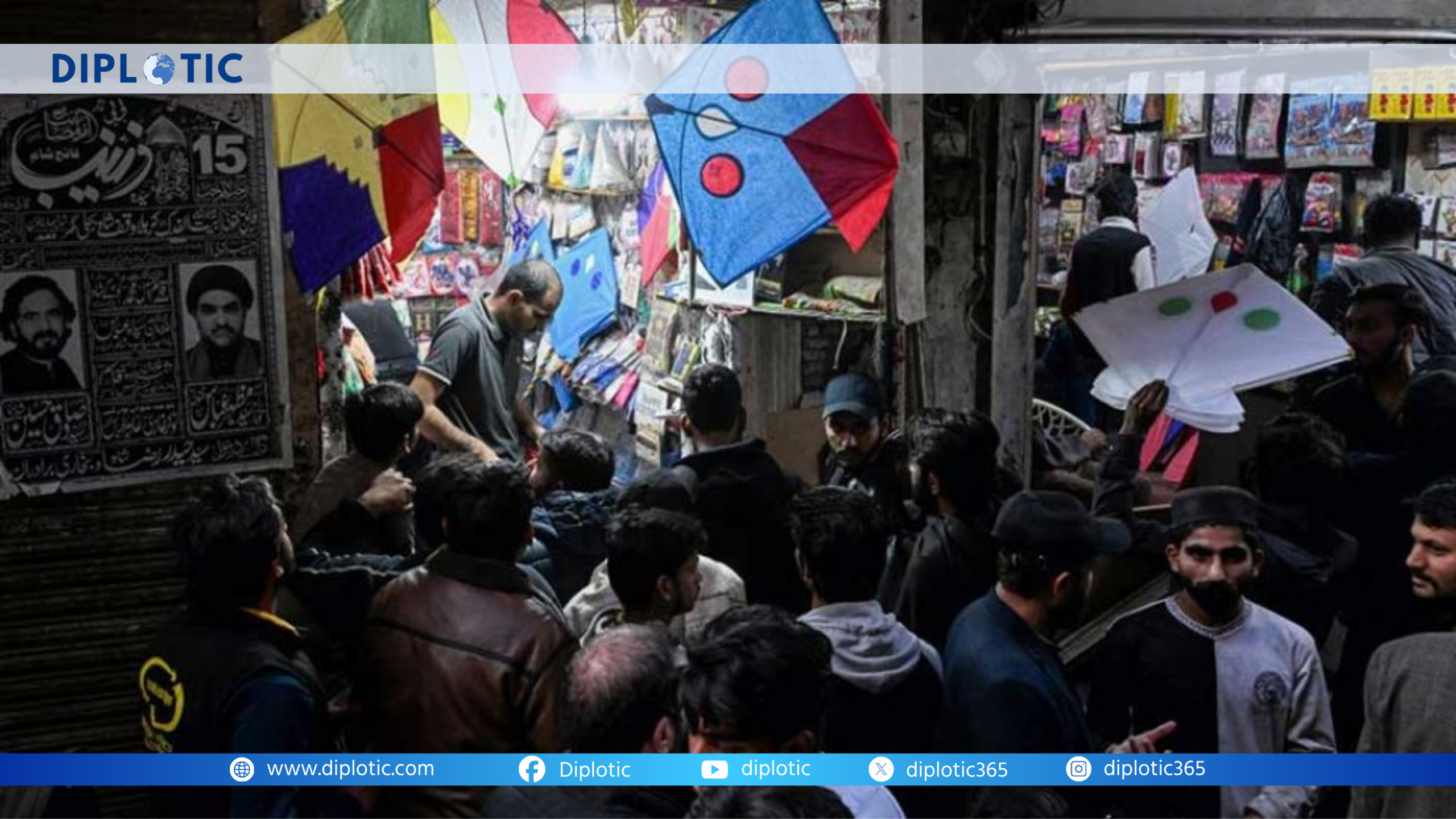
After nearly two decades of absence, the Basant kite-flying festival is set to return to Lahore on February 6, 7, and 8, 2026. The Punjab Regulation of Kite Flying Ordinance, 2025, now allows the event with strict safety rules: only cotton strings, no metallic or glass coatings, QR-coded registration, a limit of nine threads per kite, drone monitoring, and zero tolerance for violations. This marks the end of a long pause that began due to deadly accidents from sharp strings. The city, once alive with colorful kites and rooftop cheers, has missed the tradition deeply. Families, elders, and young people have carried memories of Basant through stories and quiet hopes. Now, with careful measures in place, Lahore prepares to reclaim a festival that blends spring renewal, community joy, and cultural heritage. The return raises questions about how a cherished custom can resume responsibly after years of grief and change. As kites prepare to rise again, they carry not just paper and thread but the weight of memory and the promise of a wiser celebration.
What Are the Deep Historical and Cultural Roots of Basant in Lahore?
Basant traces its origins to Vasant Panchami, the ancient spring festival observed on the fifth day of the Bengali month of Magh. It celebrates the awakening of nature after winter, with mustard fields turning golden and the goddess Saraswati honored through music, learning, and saffron colors. In Punjab, including Lahore, the festival evolved into something distinctly local and inclusive. Over centuries, it became a shared celebration across Hindu, Muslim, and Sikh communities, where religious boundaries faded in favor of collective joy.
During the Mughal era, Basant reached grand heights. Emperors and nobles flew kites above Lahore Fort, turning the skies into a spectacle of color and competition. Sufi poet Amir Khusrau wrote of the season as one of love and divine intoxication. Later, under Maharaja Ranjit Singh, the festival grew even more elaborate. For ten days, the city filled with marigold garlands, turmeric-dyed turbans, swings, and dhol beats. Rooftop battles echoed with cries of “Bo kata!” as strings clashed and victors cheered. Kites were not mere toys; they symbolized freedom and escape, fragile yet defiant against gravity.
The tradition wove private and public life together. Families gathered on rooftops, children ran with spools, and strangers became friends in shared excitement. Artisans crafted intricate designs—stars, eyes, flowers—turning each kite into a small work of art. The festival reflected Lahore’s spirit: urban, exuberant, and open to all faiths. It became more than a seasonal event; it was a living expression of the city’s identity, where joy lifted people above daily struggles.
Why Was Basant Banned and How Has the City Felt Its Absence?
The ban came after tragic accidents caused by sharp, glass-coated or metallic strings. These “deadly threads” cut through the air, injuring or killing bystanders on streets and rooftops. Lives lost to what should have been harmless fun led to grief and calls for change. Authorities halted the festival to prioritize safety, creating a silence that lasted nearly two decades.
The absence left a deep mark. Elders sat quietly, remembering days when skies burst with color. Parents shared old stories with children who knew Basant only through photos and videos. Young people felt a gap in spring traditions that once united neighborhoods. Rooftops stayed empty, the wind carried no cheers, and the city seemed heavier without its annual lift. Families missed the marigold sweets, the dhol rhythms, and the simple thrill of watching a kite soar. The longing persisted in small ways: turmeric kurtas worn quietly, kite-makers keeping their craft alive in hidden corners, and hopes that safety rules would one day allow a return.
The pause was necessary, born of responsibility after loss. Yet it showed how deeply Basant had woven into Lahore’s soul. The festival was not just play; it was a shared heartbeat, a moment when worries rose with the kites and briefly disappeared into the sky.
How Will Safety Rules Allow Basant to Resume Responsibly?
The 2025 ordinance sets clear boundaries to prevent past tragedies. Cotton strings replace dangerous ones, limiting reach and harm. Kites require QR-coded registration for tracking. A nine-thread maximum reduces competition risks. Drones monitor skies, and violations face strict penalties. These steps aim to preserve joy while protecting lives.
The rules reflect lessons learned. They balance tradition with care, allowing families to gather again without the shadow of danger. Rooftops will fill once more, but with awareness. Organizers and communities now emphasize responsibility: fly safely, respect others, and celebrate without harm. This approach could set an example for other traditions facing modern challenges.
The return brings cautious excitement. Markets sell kites in bright colors, families prepare sweets, and children practice string control. Elders look forward to seeing skies alive again. The rules make the festival possible, but the spirit—freedom, unity, hope—remains unchanged.
What Does Basant’s Return Mean for Lahore and Its People?
Basant’s comeback connects past joy to present hope. After years of silence, the festival offers a chance to heal and reunite. It reminds Lahore of its inclusive heritage, where people of different faiths shared rooftops and laughter. In a changing city, it preserves a piece of identity that binds generations.
The kites symbolize more than play. Fragile yet bold, tethered yet free, they carry dreams above daily limits. For a child, a kite is adventure; for an elder, memory; for the city, proof that spirit endures. The safety measures show maturity: joy need not come at a cost.
As February arrives, Lahore prepares to welcome Basant back wiser and more careful. The skies will fill with color, the air with cheers, and hearts with renewal. This return is not just about kites; it is about reclaiming shared happiness after loss.
Basant’s ascent links centuries of celebration to today’s careful revival. From Mughal grandeur to modern rules, the festival endures because it speaks to something timeless: the human need to rise above the ordinary, to feel unbound for a moment, to share joy under one sky. As patangs lift once more, they carry Lahore’s hopes—patient, hopeful, and ready to soar again.




