

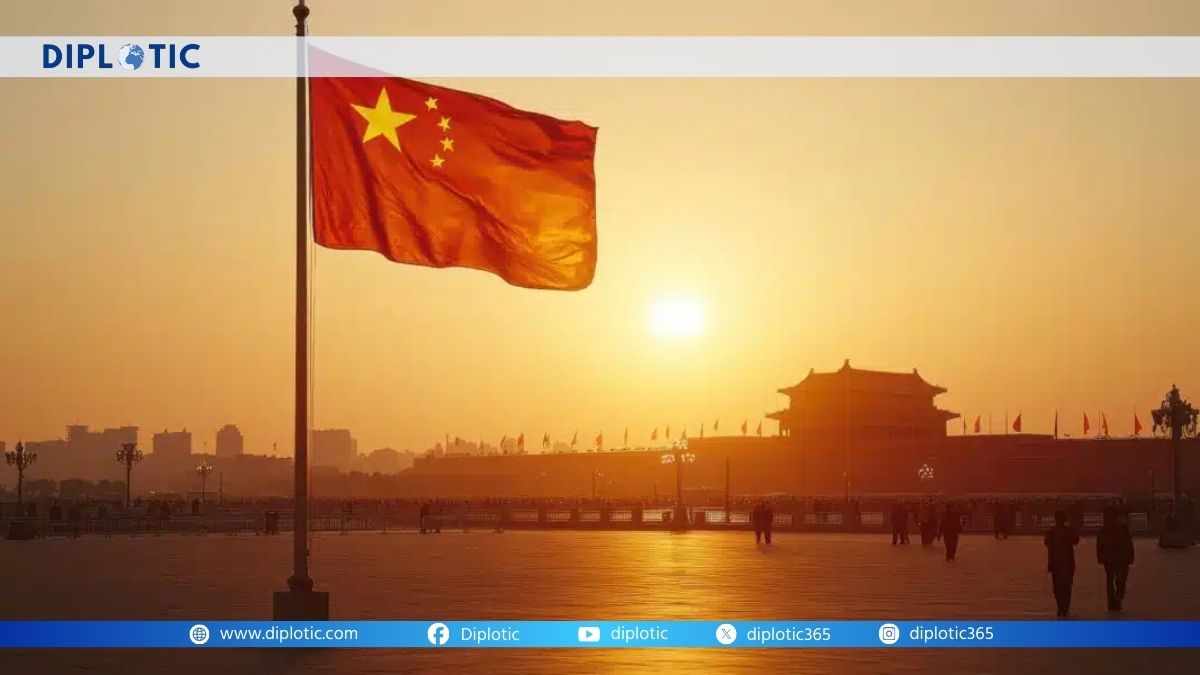
In January 2026, China and Canada publicly pledged to strengthen their bilateral relationship after a period of diplomatic tension, indicating a significant shift in foreign policy dynamics between the two nations. This development reflects both countries’ desire to deepen cooperation across political, economic, and multilateral fronts.
1. Diplomatic Reset at the Highest Level
- Chinese Premier Li Qiang and Canadian Prime Minister Mark Carney met in Beijing, underscoring revived high-level engagement between the two governments. (China Daily)
- This was the first visit by a Canadian prime minister to China in eight years, highlighting a warming of relations after a long freeze. (China Daily)
2. Strategic Partnership and Multilateralism
- Both leaders reaffirmed their commitment to enhancing the strategic partnership, emphasizing multilateralism and respect for international institutions such as the United Nations and the World Trade Organization (WTO).
- Joint statements highlighted cooperation through platforms like APEC, with Canada supporting China’s hosting and China endorsing Canada’s future role. (The State Council of China)
3. Economic and Trade Cooperation
- A central pillar of the renewed partnership is trade and investment cooperation. Canada and China agreed on practical measures to expand bilateral commerce. (Reuters)
- Tariff reductions represent a major breakthrough: Canada will cut duties on up to 49,000 Chinese electric vehicles, and China will significantly lower tariffs on Canadian canola seeds and other agricultural products. (Reuters)
- This trade reset is expected to unlock nearly $3 billion in Canadian exports. (China Foreign Affairs Ministry)
4. Cooperation in Key Economic Sectors
- Energy and clean technology: Both sides agreed to collaborate on clean energy, climate technology, and sustainable development. (Canada PM)
- Agriculture and food security: A revitalized Joint Agriculture Committee will foster cooperation on food safety and plant/animal health, reducing barriers for exports.
- Financial dialogue: A new financial working group will enhance coordination on monetary policy and financial governance. (Canada PM, Global Times)
5. People-to-People and Cultural Exchanges
- Leaders emphasized the importance of people-to-people ties as foundational to understanding and mutual trust.
- Both nations discussed increasing cultural, educational, and tourism exchanges, including facilitating two-way travel and visa arrangements. (The State Council of China)
6. Addressing Historical Frictions
- The recent thaw follows years of difficult diplomacy, including disputes over trade tariffs and other issues. This reset marks a pragmatic shift toward cooperation despite lingering tensions. (JSTOR)
7. Academic and Policy Perspectives
While current diplomatic developments are primarily reported through official communiqués and news outlets, academic research on Canada–China relations provides broader context for understanding long-term trends and challenges:
a. Structural Background of Canada–China Relations
Scholars note that bilateral relations have historically oscillated between cooperation and tension, shaped by divergent political systems, economic interests, and global structural shifts. The International Journal and other academic sources have discussed these complexities. (Taylor & Francis Online)
b. Policy Challenges and Opportunities
Academic analyses argue that successful Canada–China engagement requires integrating Canadian values with national interests to build resilient policy frameworks. This includes balancing human rights concerns with economic cooperation. (Asia Pacific Foundation of Canada)
c. Economic Complementarity
Research examining economic ties underscores the complementary nature of the two economies, particularly in trade and investment. This theoretical background helps explain current efforts to deepen economic integration. (Canadian International Council)
Conclusion
The January 2026 pledge between China and Canada to enhance their bilateral ties marks a notable diplomatic reset following years of strained relations. The agreements span diplomatic dialogue, trade liberalization, sectoral cooperation, and cultural exchange—all against a backdrop of shifting global geopolitics and academic perspectives emphasizing long-term structural challenges and opportunities. (China Daily)




