

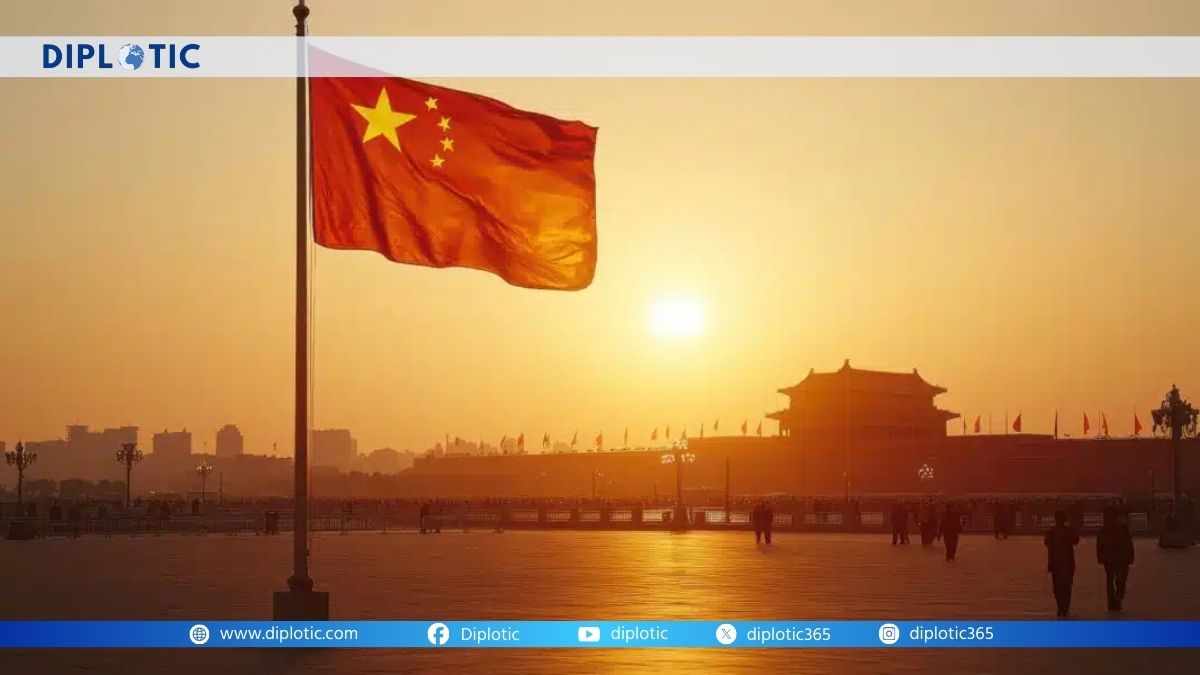
When China officially became Central Asia’s largest trading partner in 2025, it marked a quiet but important shift in one of the world’s most strategic regions. For decades after the Soviet Union collapsed, Russia remained the main economic and political reference point for Central Asia. Trade routes, energy links, labor migration, and security ties all flowed north toward Moscow. Now, the numbers show a different picture. China’s trade with the five Central Asian states has grown faster, wider, and more diverse than Russia’s. Yet this change does not automatically mean a direct economic battle between Beijing and Moscow. Instead, it raises a deeper question: can two powerful neighbors shape Central Asia in parallel without pulling it into a contest of influence?
How did China become Central Asia’s biggest trading partner?
China’s rise as Central Asia’s top trading partner did not happen overnight. It is the result of steady investment, infrastructure building, and growing demand on both sides. In 2025, total trade between China and Central Asia reached more than US$106 billion, growing at double the pace seen just a year earlier. For the first time, China became the largest trading partner for every country in the region, including Kazakhstan, Uzbekistan, and Tajikistan.
Several factors explain this rise. First is geography. Central Asia sits directly west of China’s western provinces. Railways and roads now link Chinese factories to Central Asian markets faster and cheaper than before. Freight trains crossing borders like Dostyk in Kazakhstan have become symbols of this new trade flow. These routes are not only moving goods into Central Asia but also carrying Central Asian exports onward to Europe.
Second is the type of goods China offers. Chinese exports to Central Asia include electric vehicles, machinery, electronics, solar panels, and transport equipment. These products match the region’s current stage of development, where governments want to modernize transport, energy systems, and logistics networks. China can provide these goods at scale and at prices Central Asian buyers can afford.
Third is China’s purchasing power. Central Asian countries export oil, natural gas, metals, chemicals, and farm products to China. Beijing’s large and stable demand gives exporters a reliable market. This balance of imports and exports makes the relationship feel practical rather than political for many Central Asian governments.
China’s Belt and Road Initiative also plays a key role. Rail corridors linking China to Europe pass through Central Asia, turning the region into a transit hub rather than a dead end. This has helped Central Asian economies grow faster than the global average and increased their need for imported goods, many of which now come from China.
Does China’s rise mean Russia is being pushed aside?
Despite China’s growing trade presence, Russia remains deeply embedded in Central Asia’s economy. The difference lies in what Russia supplies and how it engages with the region. Russia mainly exports fuel, refined oil, gas, and military equipment. It also remains a major destination for Central Asian migrant workers, whose remittances support millions of families back home. These links are not easily replaced by China.
Trade figures show this contrast clearly. Russia’s trade with Central Asia stood at more than US$45 billion in 2024, far below China’s level but still significant. Much of this trade is concentrated in energy and security-related sectors. Central Asian states depend on Russian fuel supplies and inherited pipeline systems, especially during winter months.
Rather than competing directly with China, Russia operates in areas where it has long experience and control. Security cooperation through regional groupings and arms sales remains one such space. Cultural and linguistic ties also continue to give Russia influence, especially among older generations and elites trained during the Soviet period.
However, Russia’s position has weakened since its invasion of Ukraine in 2022. Western sanctions have limited its access to markets and finance, forcing Moscow to redirect exports and seek new partners. This has slowed deeper economic integration with Central Asia and raised concerns among regional governments about over-reliance on a sanctioned economy.
Central Asian leaders are responding by diversifying their partnerships. Turning toward China helps reduce exposure to sanctions and economic shocks linked to Russia. At the same time, they are careful not to cut Russia out entirely. For now, the region seems to view China and Russia as playing different roles rather than fighting for the same space.
How Central Asia benefits from working with both powers
For Central Asia, the key goal is not choosing sides but managing balance. The region’s economies are growing, with forecasts suggesting growth above the global average in 2026. Growth brings demand for imports, technology, and investment. China meets many of these needs through manufacturing and infrastructure. Russia supports others through energy and security ties.
This division of roles reduces direct rivalry. China does not aim to replace Russia as a security guarantor. Russia does not compete with China in producing consumer goods or advanced manufacturing. Instead, each fills gaps the other cannot.
Central Asian governments are also expanding ties beyond these two neighbors. Trade with the European Union, Turkey, and the United States is growing, though from a smaller base. This wider engagement helps prevent dependence on any single partner and strengthens bargaining power.
China’s role as a major buyer of Central Asian goods also supports local industries. Agricultural exports and raw materials flow east, while finished goods flow west. For landlocked countries, this trade is essential. Rail links under the Belt and Road Initiative reduce transport costs and connect the region to global markets.
At the same time, Russia continues to worry about losing influence. Russian leaders have publicly called for deeper trade ties with Central Asia and compared current figures unfavorably with trade levels with allies like Belarus. These comments reflect concern rather than confrontation.
So far, Central Asia has avoided becoming a battleground. Instead, it acts as a connector, linking Chinese production with European demand while maintaining traditional ties with Russia. This approach gives the region room to grow without provoking open rivalry between its two powerful neighbors.
Is a future tug-of-war still possible?
While the current situation appears stable, risks remain. Geopolitical pressure is rising worldwide, and Central Asia sits at the crossroads of major interests. If relations between China and Russia were to sour, the region could face difficult choices. So far, Beijing and Moscow maintain close political ties, reducing the chance of open competition.
Another risk comes from sanctions. As long as Russia remains under heavy sanctions, Central Asian countries must carefully manage their trade to avoid secondary penalties. Working more closely with China provides some protection, but it also increases dependence on one large partner.
There is also the question of long-term influence. China’s growing economic role may slowly translate into political weight, even if this is not its stated goal. Infrastructure loans, trade dependence, and market access can shape policy choices over time. Central Asian leaders are aware of this and often stress sovereignty and balance in their diplomacy.
For now, the idea of a tug-of-war may be misleading. What is happening looks less like a struggle and more like a shift in gravity. China’s economic pull is stronger, while Russia’s role is narrower but still vital. Central Asia is not being dragged in two directions but learning to move between them.
In the years ahead, the region’s success will depend on how well it keeps this balance. If it can continue to trade with China, cooperate with Russia, and open doors to others, Central Asia may turn its location into an advantage rather than a vulnerability. The real story, then, is not rivalry, but how a once-overlooked region is quietly reshaping its place in the world economy.




