

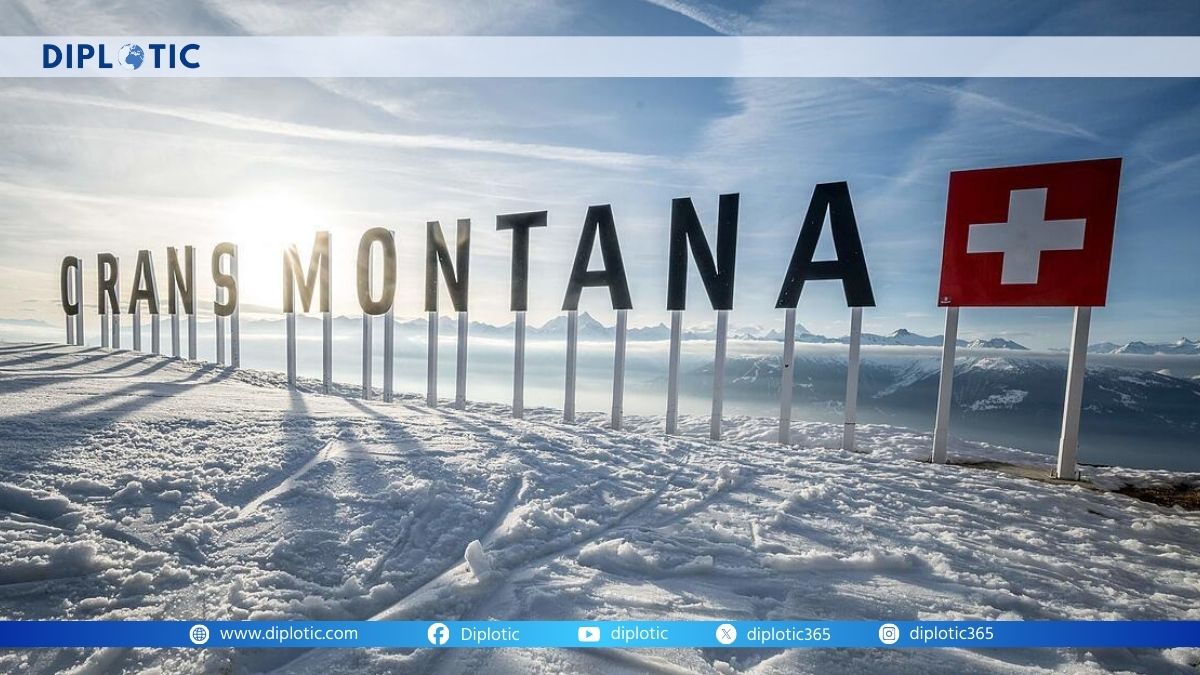
The Swiss resort town of Crans-Montana is known for its calm slopes, winter tourism, and carefully managed hospitality industry. On New Year’s Eve, it was meant to be a place of celebration, marking the arrival of 2026 during one of the busiest nights of the year. Instead, a fire at a popular bar turned that celebration into one of the deadliest public tragedies Switzerland has seen in recent years. As details continue to emerge, the central question remains unsettlingly simple: how did a single moment turn into a disaster that overwhelmed a crowded venue within minutes?
Shortly after 01:30 local time, a blaze erupted inside Le Constellation, a large bar and lounge located in the heart of the resort. Police believe dozens of people lost their lives, while around 100 others suffered injuries, many with severe burns. Survivors describe an environment that shifted almost instantly from festivity to panic. Flames raced across wooden interiors, smoke filled confined spaces, and exits became choke points rather than lifelines. In the hours and days since, eyewitness accounts have offered a fragmented but troubling picture of how vulnerable crowded nightlife venues can become when safety systems fail under pressure.
This was not an isolated gathering in an obscure location. Crans-Montana attracts international visitors, and Le Constellation was a well-known venue capable of hosting several hundred people. Understanding what happened inside that bar is not only about assigning responsibility, but also about examining broader questions of crowd safety, fire prevention, and emergency preparedness in public spaces across Europe.
How Celebration Turned Into Chaos Within Seconds
Eyewitness accounts consistently describe a sudden and violent beginning. Several people reported hearing an explosion, followed immediately by thick smoke and rapidly spreading flames. One 18-year-old witness told reporters that he was outside the bar when he heard the blast. Believing his younger brother might still be inside, he tried to break a window and then entered the building to help others escape. What he encountered, he said, was beyond anything he could have imagined.
Inside, visibility was low and heat intense. People were on fire, their clothes burned away. Panic overtook order. In such conditions, seconds matter, yet many inside struggled to understand what was happening before escape routes were already compromised. Other witnesses described a “wall of heat” that forced them to hide momentarily before attempting to flee. One teenager said he survived only after smashing a window with his foot when doors and stairs were blocked.
Some early reports suggest the fire may have started when decorative candles were placed on champagne bottles. Two women who were inside the bar told French media that flames reached the ceiling almost immediately. The interior, they said, was largely made of wood, allowing fire to spread rapidly. While investigators have not yet confirmed the cause, these accounts raise serious questions about the use of open flames in crowded indoor venues, especially during peak events.
Evacuation proved extremely difficult. Survivors described narrow exits and staircases that could not handle the number of people trying to escape at once. In one area, as many as 200 people were attempting to leave within half a minute through a confined passage. In such conditions, even well-trained staff would struggle to manage crowd flow, and any delay could become fatal.
Emergency Response and Medical Strain After the Fire
Emergency services arrived quickly, but the scale of the incident stretched local resources. Firefighters worked to control the blaze while medics triaged victims in the surrounding area. The nearest hospital’s intensive care unit filled rapidly, forcing authorities to transfer some of the most seriously injured patients to facilities in other regions and even across the border into Italy. Burn injuries require specialized care, and capacity can be overwhelmed quickly when dozens of victims arrive at once.
Residents and tourists staying nearby described hearing what they initially thought were fireworks or firecrackers. Only when multiple emergency vehicles arrived did the seriousness of the situation become clear. By morning, the resort town, usually lively during the holiday season, was subdued and quiet. Police cordons surrounded the bar, and investigators began the slow work of examining the scene.
Identifying victims has proven especially difficult. Severe burns complicate visual identification, and officials have warned that the process could take weeks. Families and friends have been left waiting, uncertain whether loved ones are injured, hospitalized, or among the dead. For many, the lack of information has added another layer of distress to an already devastating event.
The emotional toll extends beyond those directly involved. Witnesses who escaped unharmed have described sleepless nights and persistent shock. Some attempted to help others despite lacking training, offering water or clothing to the injured until professionals took over. These acts underline both the human instinct to help and the chaos that arises when ordinary people are forced into emergency roles without preparation.
What This Tragedy Reveals About Venue Safety
As investigators work to determine the exact cause, broader safety questions are already emerging. Large nightlife venues are common across Europe, especially in tourist areas. Many rely on festive lighting, decorations, and materials that enhance atmosphere but may increase fire risk. The balance between aesthetic appeal and safety regulation is not always easy, but incidents like this highlight the consequences when that balance fails.
Fire safety rules typically cover maximum occupancy, emergency exits, materials used in construction, and restrictions on open flames. Whether Le Constellation met all requirements at the time of the event is now a central focus of inquiry. Even when rules are technically followed, enforcement and real-world readiness matter. Narrow staircases and limited exits may comply on paper but prove inadequate during panic-driven evacuations.
Crowd behavior also plays a role. New Year’s Eve gatherings involve alcohol, loud music, and dim lighting, all of which can delay recognition of danger and slow response. When smoke spreads quickly, confusion can turn into deadly congestion. This incident raises questions about whether venues hosting large holiday events should face stricter temporary controls, such as reduced capacity or additional safety staff.
The tragedy also underscores the importance of staff training. Early intervention, clear instructions, and calm guidance can save lives, but only if staff are prepared and able to act under extreme stress. Survivors’ accounts suggest that events unfolded so quickly that meaningful intervention may not have been possible, which in itself points to structural vulnerabilities.
A Community in Shock and a Broader Warning
In the days following the fire, Crans-Montana has become a place of mourning rather than celebration. Memorials have appeared, and local authorities have promised full transparency as investigations continue. For a town dependent on tourism, the tragedy carries long-term social and economic implications, but these concerns remain secondary to the human cost.
Beyond Switzerland, the fire serves as a warning to resort towns, city centers, and entertainment districts everywhere. Public confidence in safety is built on trust that venues are prepared for the worst, even during moments meant for joy. When that trust is broken, the impact reaches far beyond one building or one night.
As families wait for news and survivors begin to process their experiences, the key lesson emerging is not about blame, but about prevention. Fires in crowded venues are rare, but when they occur, the results are often catastrophic. The challenge for regulators, venue owners, and communities is to treat such risks not as distant possibilities, but as urgent responsibilities.
The New Year began in Crans-Montana with celebration and ended in silence. What follows now will shape not only how this tragedy is remembered, but whether similar disasters can be prevented in the future.




