

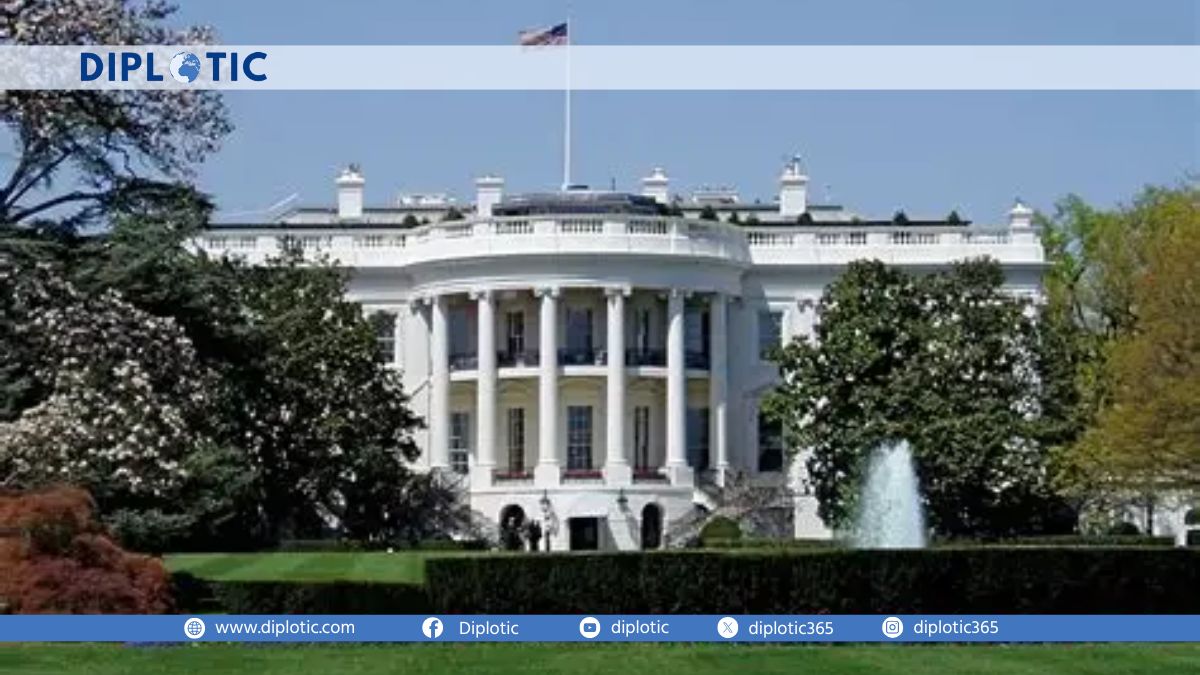
The traditional rulebook for American foreign policy holds that the United States does not openly interfere in the democratic elections of other nations. Publicly endorsing candidates or attempting to sway judicial outcomes abroad has long been considered a breach of diplomatic protocol. President Donald Trump is not following that rulebook. In his second term, the White House has become an active hub for shaping partisan politics far beyond American shores. From South America to Europe, the Middle East to East Asia, the administration is deploying economic pressure, public endorsements, and personal diplomacy to support a specific type of leader: populist, nationalist, and often personally aligned with Trump. This approach goes beyond traditional alliance-building. It represents an attempt to forge a global political network united by a common style and ideology. The question is no longer whether the U.S. is involved in foreign politics, but whether it is systematically trying to “MAGAfy” the world, building an international coalition of leaders who mirror the president’s own political brand and priorities.
How Does the Administration Intervene in Foreign Political Systems?
The methods of this new approach are direct and multifaceted, often blending personal diplomacy with hard power. A clear pattern has emerged in Latin America, where the administration uses economic tools to reward friends and punish critics. In Brazil, the White House imposed a 50% tariff on imports, citing the criminal prosecution of former President Jair Bolsonaro, a Trump ally. In Argentina, President Donald Trump linked a crucial $20 billion U.S. bailout directly to the political survival of his ideological friend, President Javier Milei, warning, “If he doesn’t win, we’re gone.” In Honduras, the administration publicly cheered the victory of conservative candidate Nasry Asfura, with Trump warning of “hell to pay” if the result went another way, and even granted a controversial pardon to a former Honduran president jailed in the U.S. These actions send an unambiguous signal: political alignment with Trump can bring economic benefits, while opposition may incur severe costs.
Beyond economics, the administration engages in overt political cheerleading. The most striking example is in Israel, where Trump openly discussed securing a pardon for Prime Minister Benjamin Netanyahu, who faces serious corruption charges. By stating a pardon was “on its way” and lavishly praising Netanyahu as an indispensable “hero,” Trump injected himself directly into Israel’s domestic legal process and upcoming election, offering a powerful political lifeline to a favored leader. This was not a behind-the-scenes diplomatic note; it was a public campaign event. Furthermore, the administration has codified this preference for certain political movements into its formal strategy. The new National Security Strategy explicitly endorses “patriotic European parties” – a clear reference to far-right groups like France’s National Rally and Germany’s Alternative for Germany – and commits the U.S. to cultivating resistance to the current political trajectory of European allies. This moves intervention from the realm of ad-hoc statements into official policy.
What Drives This Unprecedented Level of Involvement?
Several interconnected motivations appear to fuel this global political campaign. The first and most evident is ideological alignment. The leaders Trump champions worldwide share key tenets of his political philosophy: a skeptical view of multilateral institutions, a focus on national sovereignty and borders, a populist rhetoric that pits “the people” against elites, and often a critical stance toward immigration. Supporting these figures helps to validate and amplify Trump’s own political project, creating a sense of a rising global tide. Second is personal affinity and flattery. Leaders like Netanyahu, Bolsonaro, and Milei have mastered the art of public admiration for Trump, presenting him with awards, nominating him for the Nobel Prize, and echoing his rhetoric. This personal dynamic seems to translate directly into political support from the White House.
A third, more complex driver may be a desire to reshape global governance. By bolstering leaders who are skeptical of entities like the United Nations, the International Criminal Court, or climate agreements, the administration may be aiming to weaken multilateral systems it views as constraints on American power. Creating a bloc of like-minded nations could provide alternative forums for cooperation that bypass traditional alliances. Finally, there is the undeniable factor of Trump’s personal political brand and domestic audience. These high-profile interventions generate dramatic headlines and reinforce an image of a strong, deal-making president who commands the world stage. They play directly to a domestic base that appreciates a confrontational, America-first style of foreign policy, turning international relations into an extension of domestic political theater.
How Does This Depart from Historical U.S. Behavior?
To be clear, the United States has a long and often dark history of covertly meddling in foreign politics, from Cold War-era coups in Iran and Chile to more recent attempts at democracy promotion. The key difference in the current approach is its overt, unabashed nature. Past administrations typically denied interference or cloaked it in the language of promoting universal democratic values. The Trump administration makes little effort to conceal its partisan preferences; it publicly champions specific candidates and parties. Furthermore, past interventions, whether covert or overt, were usually framed within a strategic context like containing communism or fighting terrorism. The current interventions are frequently framed in personal and ideological terms—supporting a “friend” or attacking a “globalist” opponent. This personalization of statecraft is a significant break from the past.
Another distinction is the target. While historical interference often focused on destabilizing adversaries, the current efforts are disproportionately aimed at democracies that are traditional U.S. allies, such as Germany, France, Britain, South Korea, and Israel. The goal appears less about defeating an enemy and more about transforming the internal political character of allied nations to better align with the administration’s worldview. This creates a profound tension: the government of the United States is actively working to boost political forces that the elected governments of its closest allies view as existential threats to their own democratic systems.
What Are the Potential Consequences of This Strategy?
The long-term implications of this politicized foreign policy are profound and risky. Firstly, it deeply undermines the credibility of the United States as an honest broker and a stable alliance partner. If U.S. support is contingent on which party holds power in a foreign capital, it injects extreme volatility into international relations. Governments may hesitate to cooperate on long-term security or environmental issues for fear that a future election could cause the U.S. to abandon them. Secondly, it can destabilize the internal politics of other nations. An endorsement or threat from the U.S. president can become a powerful weapon in a foreign election, potentially distorting the democratic process and fueling accusations of foreign manipulation among the local electorate.
Perhaps the greatest danger is the potential for a severe backlash. By explicitly taking sides, the U.S. automatically makes enemies of the parties and leaders it opposes. If those groups come to power in the future, relations could start in a deep hole. Furthermore, voters in allied nations may resent what they see as American bullying, leading to a rise in anti-American sentiment even among populations historically friendly to the U.S. This could erode the soft power and moral authority that have been cornerstones of American global leadership for decades. In seeking to build a world of like-minded leaders, the administration risks fracturing the very alliances that have provided the United States with security and economic strength since World War II, potentially leaving America and its new populist partners more isolated in a world that still operates on multilateral consensus. The project to “MAGAfy” the world is, therefore, a high-stakes gamble that trades traditional, institutional alliances for a new network based on personal and ideological loyalty—a network whose durability and effectiveness remain entirely unproven.




