

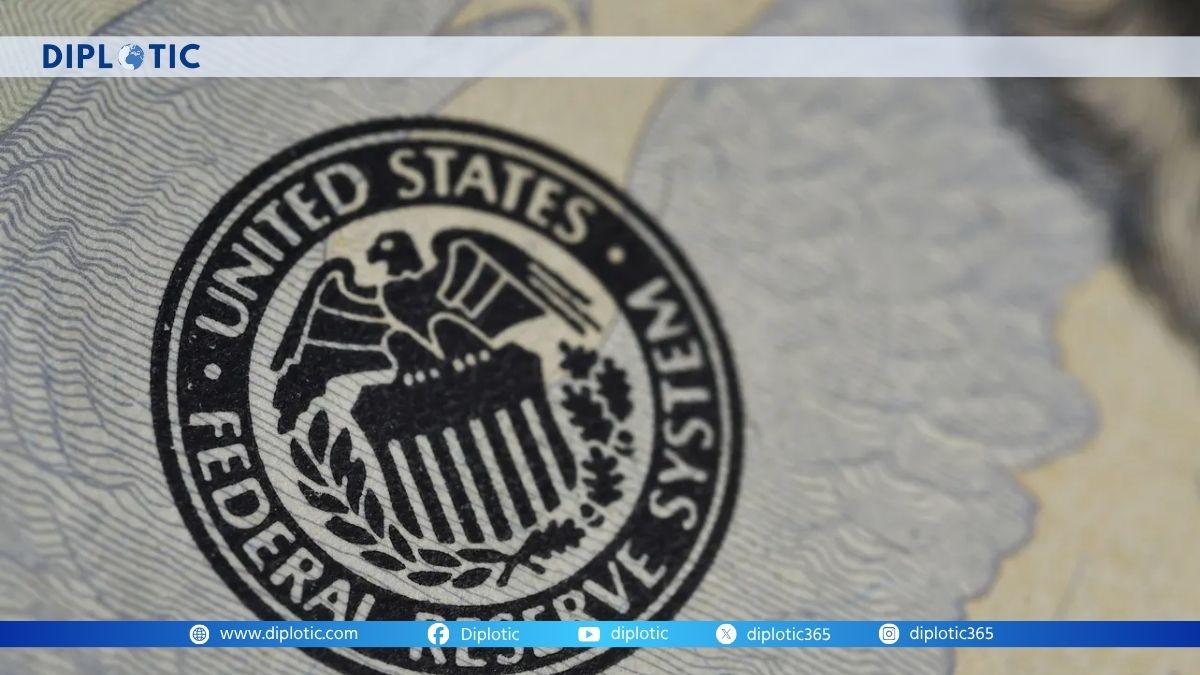
The leadership of the Federal Reserve is one of the most consequential appointments in global economics, influencing everything from mortgage rates and job growth to international financial stability. This decision carries even greater weight as the current chair, Jerome Powell, approaches the end of his term in May. President Donald Trump is now tasked with selecting a successor who will steer the world’s most powerful central bank through a complex economic landscape marked by persistent inflation debates and unusual political scrutiny. The president has made no secret of his desire for lower interest rates, publicly pressuring the Fed in ways that challenge its traditional independence. This context turns the selection process into more than a search for a qualified economist; it is a test of whether the next Fed chair will prioritize economic data or political allegiance. With several candidates in contention, each representing different factions and philosophies, the choice will send a definitive signal about the future of U.S. monetary policy and the integrity of its institutions.
Why is Kevin Hassett Considered a Leading Contender?
Kevin Hassett stands out as the candidate most closely aligned with President Trump’s inner circle. A veteran conservative economist, Hassett served as Chair of the White House Council of Economic Advisers during Trump’s first term and now leads the National Economic Council. His long record as a public defender of the president’s economic policies positions him as a trusted loyalist, a significant asset in an administration that values personal allegiance. However, this very strength is the source of deep concern among economists and market analysts. Hassett has consistently downplayed signs of economic weakness and echoed allegations of bias within federal statistical agencies, raising questions about his commitment to data-driven analysis over political narrative. The critical issue is independence. Analysts worry that a Hassett-led Fed would struggle to maintain the consensus needed among other policymakers to make tough, potentially unpopular decisions—like holding rates steady to fight inflation—if they contradict the White House’s preferred narrative. Even some within the administration reportedly question whether he possesses the nuanced leadership skills to helm the institution effectively. While Hassett has publicly affirmed the importance of Fed independence, his history of unwavering support for Trump’s economic statements leaves markets skeptical about where his ultimate loyalties would lie in a conflict between Main Street and Pennsylvania Avenue.
What Does Kevin Warsh Bring to the Table?
Kevin Warsh represents a different profile: a Fed insider turned vocal critic. Having served as a Fed Governor from 2006 to 2011, Warsh possesses firsthand experience with the institution’s inner workings, particularly during the 2008 financial crisis. Since leaving, he has become an outspoken advocate for what he calls “regime change” at the central bank, criticizing its data-dependent approach and the size of its balance sheet. His policy stance is complex. Historically viewed as a “hawk” focused on inflation risks, he has recently positioned himself as an advocate for lower short-term interest rates, arguing that reducing the Fed’s balance sheet is the key to achieving this—a view some economists find contradictory. Warsh also brings significant political connections; his father-in-law is billionaire Ronald Lauder, a major Trump donor and ally. This blend of Fed experience, criticism of the status quo, and personal ties to Trump’s orbit makes him a compelling alternative to Hassett. His candidacy appeals to those who want a chair who will aggressively overhaul Fed strategy, but it also risks installing a leader whose strong preconceptions could clash with other board members and whose newfound dovishness may be perceived as aligning too conveniently with the president’s demands.
Could Christopher Waller Emerge as a Consensus Choice?
A third, and increasingly plausible, path is the promotion of current Fed Governor Christopher Waller. Nominated to the board by Trump in 2020, Waller is a respected economist with direct experience in the current policy debates. He recently met with the president for an interview, signaling his serious candidacy. Waller’s appeal lies in his status as a Fed insider without deep personal ties to the Trump political machine. This relative distance from the White House is seen favorably by financial markets, which crave stability and predictability from the central bank. Waller has stated that he believes there is room for the Fed to cut interest rates further, aligning with the administration’s broad goal without the baggage of being a political loyalist. Strategists also note a practical advantage: appointing Waller would open two seats on the Fed’s board for Trump to fill next year, as another governor’s term expires, granting the administration greater long-term influence. For a president who values deal-making, Waller could represent a compromise—a candidate who understands the Fed’s culture, appears open to rate cuts, and offers the administration additional patronage opportunities, all while providing a veneer of continuity and independence that might soothe nervous markets.
What is the Stakes of This Decision for the Economy and the Fed’s Independence?
The ultimate selection carries profound implications that extend far beyond Wall Street trading floors. First, it will directly shape the cost of borrowing for millions of Americans and businesses at a delicate economic juncture. Choosing a chair perceived as overly susceptible to political pressure could lead to policy errors—cutting rates too quickly and reigniting inflation, or failing to act as a buffer against recession due to fears of appearing political. Second, and perhaps more enduringly, the appointment is a referendum on the Fed’s cherished independence. A century of precedent holds that central banks should be insulated from political cycles to make decisions for long-term economic health. The intense, public lobbying from the White House has already eroded this norm. Appointing a chair seen primarily as a political operative would institutionalize that erosion, potentially damaging the Fed’s credibility with global investors and undermining the effectiveness of its policy tools. The nominee must therefore navigate a narrow path: implementing policy that manages inflation and employment effectively while convincingly demonstrating that their decisions are rooted in economic analysis, not political calculation.
How Will the World Know if the Choice is the Right One?
In the near term, financial markets will deliver the first, and fiercest, verdict. A nominee perceived as compromising the Fed’s independence could trigger volatility, a sell-off in bonds, and a loss of confidence in the U.S. dollar’s stability. Conversely, a candidate seen as competent and principled could steady nerves. But the true test will unfold over years. The success of the next Fed chair will be measured by their ability to guide the economy through inevitable shocks without triggering a debilitating inflation spike or a deep recession. It will be measured by their skill in building consensus among strong-willed colleagues on the Federal Open Market Committee. Most importantly, it will be measured by history’s judgment on whether they preserved the institutional integrity of the Federal Reserve or allowed it to become just another political instrument. The frontrunners—Hassett, Warsh, and Waller—each offer a different vision. Hassett promises alignment, Warsh promises revolution, and Waller promises continuity with a twist. The president’s choice will reveal which vision he believes America needs, and whether the guardrails of economic governance are still firmly in place.




