

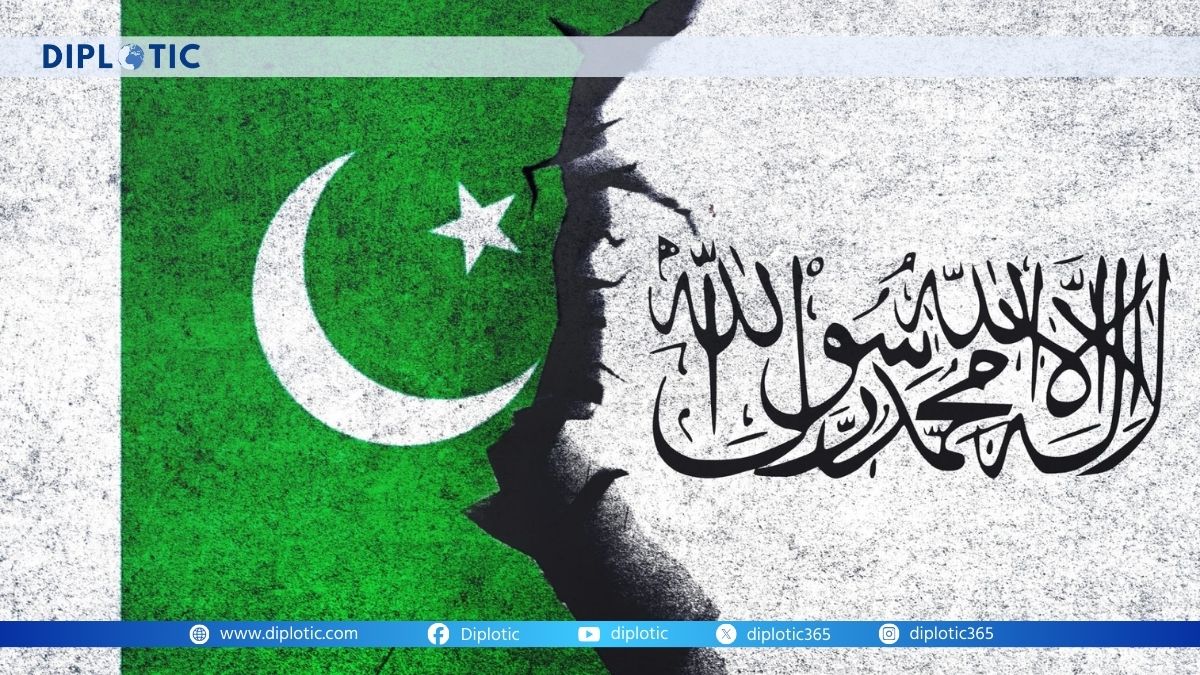
A Regional Powerhouse Meets Its Match
In the rugged borderlands where Afghanistan’s Hindu Kush meets Pakistan’s tribal belts, a familiar script plays out: cross-border raids, militant ambushes, and diplomatic pleas for calm. But this time, the pleas come from Beijing, a player whose economic might once seemed unassailable. Last month, as clashes between Pakistani forces and Taliban fighters claimed dozens of lives—the worst in four years—China’s Foreign Ministry urged restraint, offering mediation to protect its vast stakes in both nations. Four years after the Taliban’s 2021 takeover, China positioned itself as Kabul’s early ally, first to send an ambassador and push for global reintegration. Yet, persistent attacks on Chinese workers, stalled megaprojects, and the Taliban’s growing ties with India reveal cracks in that strategy. From the China-Pakistan Economic Corridor (CPEC) snaking through volatile Balochistan to untapped Afghan mines, Beijing’s $62 billion vision hangs by threads of security and leverage. As Pakistan accuses Kabul of sheltering the Tehrik-i-Taliban Pakistan (TTP) and Afghanistan fires back at Islamabad’s refugee expulsions, China’s role as broker feels more like a bystander. What once promised seamless connectivity now exposes the limits of economic inducements in a cauldron of militancy and mistrust. This quagmire, intensified by 2025’s flare-ups, questions whether Beijing’s patient diplomacy can tame neighbors too fractured to align.
The stakes run deep. CPEC, Beijing’s Belt and Road flagship, aims to link Xinjiang to Gwadar Port, funneling trade and energy. Extending it to Afghanistan could unlock minerals worth trillions, but TTP bombings and Baloch insurgent strikes have killed over 20 Chinese since 2021. Taliban Foreign Minister Amir Khan Muttaqi’s October visit to New Delhi, sealing Chabahar trade deals, adds rivalry: India, long wary of the Taliban, now courts Kabul to counter Pakistan. For China, this isn’t just regional jostling—it’s a test of its model: invest first, influence follows. But as mediation yields ceasefires without cures, the broader picture dims, pulling Beijing into a balancing act where early gains fade against enduring chaos.
————————————————————
From Post-2021 Pioneer to Persistent Worries: China’s Afghan Gamble
When U.S. forces withdrew in August 2021, leaving a power vacuum, China moved swiftly, viewing the Taliban’s return as both risk and reward. Unlike the West’s sanctions and isolation, Beijing recognized practical needs: secure Xinjiang borders, tap Afghan resources, and knit South-Central Asia via BRI. Within weeks, it accepted Taliban diplomats, appointed Ambassador Wang Yu in September 2021—the first major power to do so—and pledged $25 million in aid. This “linear approach” contrasted with others’ hesitance, positioning China as Kabul’s advocate for UN reintegration and economic lifelines. By 2022, it revived the China-Afghanistan-Pakistan Foreign Ministers’ Dialogue, committing to CPEC extension and counter-terror pacts.
Early wins built momentum. Trade hit $1.5 billion by 2025, with China buying Afghan pine nuts and sending solar panels. In mining, a 2023 deal for the Mes Aynak copper mine promised $3 billion, though delays persist. Security talks flourished: Beijing pressed for East Turkestan Islamic Movement (ETIM) crackdowns, forming the Quadrilateral Cooperation Mechanism with Afghanistan, Pakistan, and Tajikistan for intel sharing. Taliban Supreme Leader Haibatullah Akhundzada’s 2024 Kandahar visit by Chinese envoys yielded vows against Uyghur militancy, easing border fears.
Yet, 2025 exposed frailties. ISKP’s January suicide bombing killed a Chinese engineer in Kabul, the second since 2022. TTP and Balochistan Liberation Army (BLA) strikes in Pakistan—14 on Chinese since 2021—halted Dasu hydropower phases, costing millions. In August, Kabul canceled Afchin’s Amu Darya oil contract for unmet $540 million investments and local hiring shortfalls, a blow to BRI credibility. These aren’t isolated: UN reports note ETIM-ISKP recruitment ties, with 6,000 TTP fighters allegedly Taliban-sheltered.
Background reveals overreach. China’s $60 billion CPEC bet assumed stability; instead, 2025 violence—502 TTP-linked attacks killing 737—diverted Pakistani troops from borders. Parallels to Sri Lanka’s BRI debt traps show economic tools falter without security. For Beijing, early leverage—first-mover status—waned as Taliban transactionalism diversified partners, from Russia to Iran. By December, Foreign Minister Wang Yi’s Central Asian huddles stressed joint anti-terror, but without Akhundzada access, pleas echo hollowly. This shift—from pioneer to petitioner—highlights a core limit: money buys seats, but not sway over militants or fractured regimes.
————————————————————
Mediation Momentum Meets Militant Roadblocks: Trilateral Talks in 2025
China’s 2025 diplomacy pulsed with urgency, channeling mediation through high-level huddles to shield investments. On May 21, Foreign Minister Wang Yi hosted an informal trilateral in Beijing with Pakistan’s Ishaq Dar and Taliban Acting Foreign Minister Amir Khan Muttaqi, yielding ambassador swaps and CPEC extension nods. This built on 2022’s revival, committing to anti-terror and trade. August’s sixth formal dialogue in Kabul reaffirmed: deepen connectivity, counter cross-border threats, unfreeze Afghan assets. Wang urged “broader picture” focus—stability for BRI—while September’s quadripartite with Iran and Russia echoed UN pleas for refugee aid and ISKP curbs.
October clashes tested resolve. After Torkham firefights killed 23 Pakistanis and 200 Taliban-linked fighters, spokesperson Lin Jian called for dialogue, protecting nationals. Beijing brokered a Qatar-Turkey-mediated October 19 ceasefire, with talks in Istanbul. June’s Kunming trilateral with Bangladesh added layers, eyeing shared anti-terror. Wang’s Tajik-Uzbek meets pushed Central Asian anti-terror pacts, a joint statement for “peaceful Afghanistan.”
Yet, leverage lagged. November’s failed Kandahar bid to meet Akhundzada—settling for a governor—signaled Taliban autonomy. TTP’s 70% attack surge, blamed on Afghan havens, drew Taliban denials, sowing distrust. Economic carrots faltered: CPEC-Afghan links stalled by BLA-TTP hits, like February’s Gwadar bombing killing four Chinese. Pakistan valued China as TTP foe, but Beijing’s neutrality—avoiding blame—frustrated Islamabad.
Related angles deepen the bind. U.S. Bagram bids exploit instability, countering BRI. Parallels to Myanmar’s coup chaos show mediation’s limits sans enforcement. By December, Wang’s SCO pushes for Afghan inclusion masked unease: talks abound, but TTP raids on Dasu persist, killing five in July. This 2025 flurry—meetings as metrics—highlights mediation’s glass ceiling: forums foster facades, but militants mock mechanisms.
————————————————————
Taliban’s Diversification: India’s Inroads and the Erosion of Beijing’s Edge
As China mediated, the Taliban played a broader field, diluting Beijing’s monopoly. Early post-2021, Kabul leaned on China for legitimacy—first embassy, BRI nods—but by 2025, transactional ties spanned rivals. January’s Dubai meet: India’s Foreign Secretary Vikram Misri and Muttaqi inked Chabahar pacts, routing Afghan exports past Pakistan. May’s Pahalgam attack and Indo-Pak hostilities accelerated: Jaishankar’s Taliban call, Muttaqi’s October Delhi visit sealed trade, healthcare, sports. November’s Azizi tour added air cargo, mining—$1.5 billion bilateral trade, up 20%.
This pivot stung. For Pakistan-China, India’s Afghan foothold evokes encirclement fears, post-Pahalgam. Beijing sees lost space: Taliban neutrality on Kashmir, but Chabahar undercuts CPEC. Central Asian ties bloomed too—Uzbek-Tajik deals for energy, transit—diversifying beyond BRI. Russia recognized Taliban in 2025; Iran’s refugee hosting adds buffers.
Background: Taliban’s “economy-centered” foreign policy—post-2021 isolation—thrives on competition. India’s $3 billion pre-aid history, now revived, fills voids China couldn’t: humanitarian wheat shipments, UN advocacy. Parallels to U.S. post-Vietnam pivots show diversification’s power. For Beijing, this erodes edge: 2025’s Kunming meet countered India, but Taliban truck convoys via Attari-Wagah signal multipolarity. As Kabul hedges—pledging anti-India terror curbs but courting Delhi—China’s pioneer status fades to peer, leverage leached by rivals’ gains.
————————————————————
Conclusion: Leverage’s Limits in a Fractured Frontier
China’s Afghan-Pak quagmire, from 2021’s bold bets to 2025’s border brokering, unmasks a hard truth: economic empires bend to militancy’s will. Trilateral talks and CPEC dreams delivered ceasefires, but TTP shadows and Taliban turns to India persist, stranding projects and straining ties. Beijing’s mediation—vital yet voiceless without Akhundzada’s ear—highlights a pivot point: from unchallenged patron to contested player in a web of wants. As U.S. shadows loom and regional rivals rise, China’s path demands more than forums—enforceable security, inclusive growth, perhaps even multilateral muscle. In this volatile valley, leverage isn’t loaned by loans alone; it’s earned in the uneasy trust between neighbors, a lesson Beijing learns as the Kush echoes with unresolved raids.




