

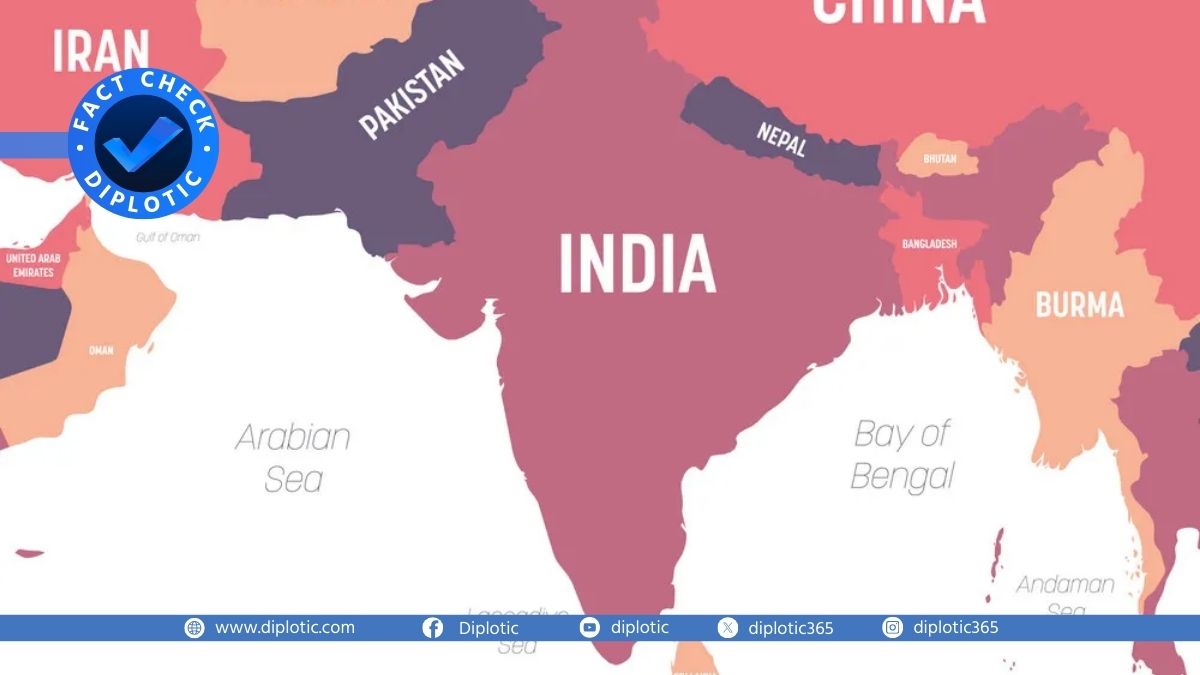
In the mosaic of South Asia, where ancient epics whisper through bustling streets and monsoon rains wash over sacred rivers, religion has long been both compass and contour. From the Vedas etched in Sanskrit to the Sufi shrines echoing qawwali songs, faith here is not a private whisper but a public rhythm—shaping festivals, laws, and loyalties. This region, cradling nearly a quarter of humanity across India, Pakistan, Bangladesh, Sri Lanka, Nepal, and beyond, declared secular ideals at independence: India’s 1950 Constitution promised equal respect for all beliefs, while Bangladesh’s 1972 charter rejected communalism born of partition’s scars. Yet, as economies surge and cities swell, a narrative gains traction: South Asians are shedding religious skins year by year, embracing a cooler, more rational world.
These claims, splashed across social media and think-tank briefs, arrive amid real changes—youth scrolling atheist memes in Dhaka, urban professionals skipping temple queues in Mumbai. They matter because secularism is no abstract ideal; it guards against the ghosts of 1947’s partition violence, which cleaved families and fueled migrations, and echoes in today’s border tensions and minority fears. A true drift toward the secular could knit diverse threads into stronger cloth, boosting women’s rights and economic focus. But if overstated, it risks blinding us to rising majoritarian pulls, where politics cloaks itself in piety. Drawing on surveys like Pew Research Center’s 2021 India study (updated in 2025 analyses), World Values Survey waves, and regional reports, this article probes five key assertions. It layers facts with history’s weight, revealing not a linear march, but a tangled dance of belief and doubt.
Claim 1: Urban Youth in India Are Leading a Generational Leap Away from Religious Practice
Social feeds buzz with tales of Delhi millennials ditching Diwali for Netflix, or Bengaluru techies polling “none” in faith surveys. A 2025 X thread from urban influencers claims 40 percent of under-30s now identify as “spiritual but not religious,” citing apps tracking meditation over mandirs. This paints a youth vanguard, armed with smartphones and skepticism, pulling India—home to 94 percent of global Hindus—toward secular shores.
Cross-checks reveal a sturdier faith. Pew’s 2021 survey of nearly 30,000 Indians found 77 percent of Hindus deeming religion “very important,” with urban youth (18-29) at 72 percent—barely dipping from older groups. A 2025 update in Pew’s Southeast Asia report notes minimal secularization in India, where economic booms tie to ritual continuity, not decline. World Values Survey data from 2022-2024 shows Indian youth praying daily at rates rivaling elders, often blending yoga with devotion.
Historically, India’s secularism sprouted from partition’s ashes—Nehru’s vision of a state equidistant from all faiths, yet rooted in Hindu pluralism. Urbanization, accelerating since 1991 reforms, promised Western-style doubt, but instead fosters “McSpirituality”: quick-fix gurus via Instagram. Contradictions sting: youth decry caste in temples yet vote for parties wielding Hindu symbols, as in 2024 elections. Ethically, this teases a trade-off—secular freedom versus cultural anchors that combat isolation in megacities. If true, a leap could empower marginalized castes; instead, it risks hollowing rituals that bind communities.
Verdict: Misleading. Youth engage faith adaptively, not abandoningly; practice dips slightly but importance holds firm.
Claim 2: Bangladesh’s Post-2024 Uprising Signals a Secular Rebirth, with Declining Mosque Attendance
Post-July 2024 student-led ouster of Sheikh Hasina, viral posts hailed Yunus’s interim regime as a secular dawn. Claims cite 2025 surveys showing 25 percent youth skipping Friday prayers, blaming Hasina-era Islamism for a backlash. This frames the uprising as a philosophical pivot, echoing 1971’s war against Pakistani theocracy.
Evidence muddies the waters. A 2025 UCA News report logs rising shrine attacks—over 100 since August 2024—tied to Hefazat-e-Islam, signaling Islamist resurgence, not retreat. Pew’s 2023 Southeast Asia survey update finds 89 percent of Bangladeshi Muslims viewing religion as central, with mosque attendance steady at 70 percent weekly. World Values data shows non-religious identification at under 5 percent, unchanged from 2010.
Bangladesh’s secularism, etched in blood after 1971’s genocide, was gutted by Zia’s 1977 Islamization, then patched in 2010—yet Islam remains state religion. The 2024 chaos freed hardliners, with JI rallies swelling. This contradiction bites: revolution birthed pluralism pledges, but delivered caliphate chants in Dhaka. Deeper implications? A false “rebirth” narrative could embolden minorities (Hindus down to 8 percent), trading hope for vigilance. Philosophically, it probes secularism’s fragility—does crisis forge doubt, or rally the faithful against perceived Western taint?
Verdict: False. Uprising unleashed religious assertion; attendance holds, with violence underscoring piety’s grip.
Claim 3: Pakistan’s Rising Education Levels Are Fostering Widespread Doubt in Religious Orthodoxy
Online discourse points to 2025 Gallup polls: 35 percent of urban Pakistanis now question blasphemy laws, crediting literacy jumps (from 58 percent in 2015 to 65 percent) with eroding mullah sway. This envisions a slow secular tide, washing away Zia’s 1980s Islamization.
Facts resist the flow. Pew’s 2025 global update pegs 96 percent of Pakistanis deeming religion “very important,” up from 93 percent in 2010, with 84 percent favoring Sharia as law. A 2024 Karandaaz survey in Punjab finds educated youth (college+) praying more than rural peers, viewing faith as anti-corruption bulwark.
Jinnah’s 1947 secular blueprint— a state for Muslims, not an Islamic state—crumbled under Bhutto’s concessions and Zia’s hudood ordinances. Education, post-18th Amendment devolution, often funnels through madrasas (2 million students). Trade-offs emerge: literacy empowers rights talk, yet textbooks glorify jihad, per 2025 USCIRF reports. Hypocrisy glares—secular elites court votes via piety. Wider, it questions ethics: does doubt bloom in vacuums of justice, or does faith fill gaps left by failing states? For women, higher education correlates with veiled defiance, not unveiled secularism.
Verdict: Uncertain. Education sparks critique, but orthodoxy deepens amid insecurity; no clear yearly decline.
Claim 4: Sri Lanka’s Post-War Youth Embrace Pluralism, Dimming Ethnic-Religious Divides
Claims leverage 2025 economic protests: Gen Z Buddhists marching with Tamils, with X posts noting 20 percent drop in temple donations since 2022 crisis. This suggests war’s 2009 end birthed secular healing, beyond Sinhala-Buddhist supremacy.
Verification shows persistence. Pew’s 2023 report finds 87 percent of Sri Lankans (Buddhist majority) rating religion vital, with youth at 82 percent—stable since 2012. A 2025 Diplomat analysis ties protests to survival, not skepticism; anti-Muslim riots persist, per HRW.
The 1956 Sinhala Only Act enshrined Buddhism, fueling Tamil separatism and 26-year war. Post-2009, Rajapaksa’s majoritarianism lingered, with 2022’s Gotabaya ouster promising reform—yet 2025 sees temple-led anti-minority drives. Contradictions: pluralism shines in cricket crowds, but erodes in land grabs from Muslims. Implications ripple—secular youth could mend ethnic scars, but unaddressed grievances trade peace for simmering hate. Ethically, it spotlights philosophy: does shared suffering secularize, or sanctify division?
Verdict: Misleading. Crises unite temporarily; core religiosity endures, with divides unhealed.
Claim 5: Nepal’s 2008 Secular Turn Has Spurred Annual Gains in Non-Religious Identification
Post-monarchy, Nepal’s constitution declared secularism, and 2025 blogs claim 15 percent youth now “non-religious,” crediting Maoist-era education against Hindu kingship.
Ground truths temper. World Values 2022-2024 data shows 81 percent Nepalis prioritizing religion, with Hindu share steady at 81 percent despite conversions. A 2025 ResearchGate study notes rising evangelical inroads, not doubt.
As last Hindu kingdom till 2008, Nepal blended shamanism and Shaivism; secularism aimed minority shields (Madhesis, Christians). Yet, 2025 sees Hindu revivalist pushes. Trade-off: freedom invites evangelism, fragmenting unity. Deeper, it queries: does state neutrality nurture doubt, or diverse devotions?
Verdict: False. Identification holds; secularism diversifies, not diminishes, faith.
These claims, born of hope and headlines, capture flickers amid flames. South Asia’s religiosity—97 percent in India per Pew—adapts, not atrophies, weaving through democracy’s weave. Contradictions abound: secular constitutions clash with electoral piety, partition’s equality dreams yield to majoritarian mirages. Implications? Overstated shifts risk complacency, eroding safeguards for the 200 million minorities. Ethically, true secularism demands not less faith, but fairer forums—honoring the mystic in the market, the devotee in debate. In this ancient cradle, progress lies not in emptying temples, but filling them with all.




